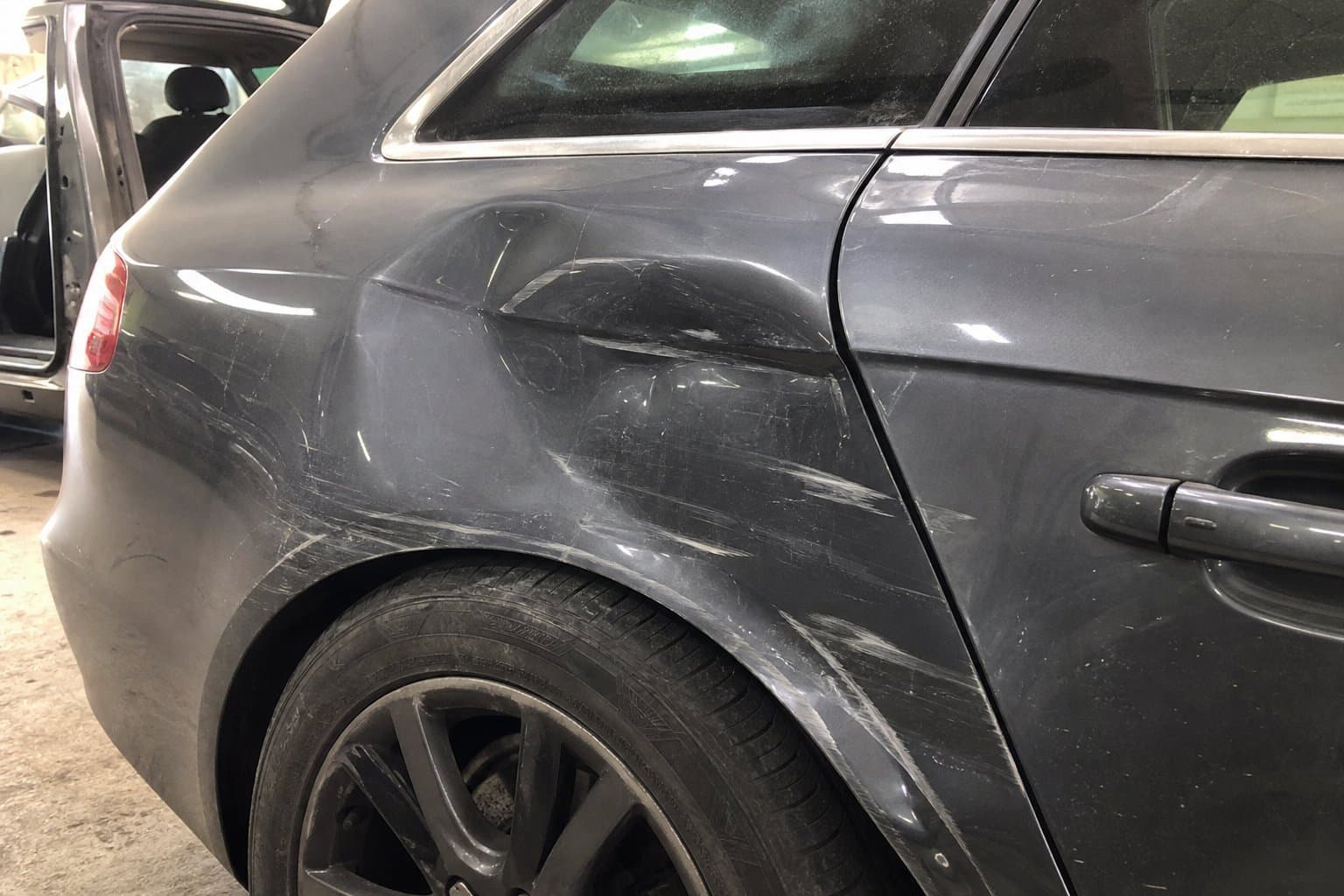
Category N replaced the old Cat D classification in 2017. A Category N write-off means the car was written off by an insurer, but the damage was non-structural. That means bodywork, interior, electrics, or mechanical components - not the chassis or safety cell.
An insurer still deemed the repair costs uneconomic. They paid out and sold the car as salvage.
What Kind of Damage Causes a Cat N Write-Off?
Quite a wide range. Common causes include:
- Airbag deployment
- Flood damage
- Extensive bodywork damage from parking or low-speed impacts
- Electrical faults from fire or water ingress
- Suspension or mechanical damage that looks expensive to fix
None of these affect the car's fundamental structure, which is why Cat N carries less stigma than Cat S.
Does Non-Structural Mean Safe?
Usually, but not always.
Airbag deployment sounds benign but replacing an airbag system properly is expensive and technically demanding. Flood damage is particularly nasty - water gets into every module and connector in the car, and corrosion can continue causing problems for years.
Non-structural does not mean trivial. It means the chassis is intact. Everything else depends on how well the repair was done.
Does a Cat N Car Need Reinspection?
No. Unlike Cat S, a Category N vehicle does not require DVLA reinspection before going back on the road. The repairer can fix it and sell it without any third-party check.
This keeps transaction costs lower, but it also means there is no external validation of the repair quality.
The V5C and Disclosure
The write-off status is permanently recorded on the V5C. Any honest seller will disclose it. If the V5C does not show it but a history check does, the seller is hiding something.
Run a car history check before viewing any used car to check for write-off status and other hidden problems.
How Much Less Is a Cat N Car Worth?
Cat N cars typically sell at a 15 to 25 percent discount versus a clean equivalent. It is less than Cat S because the structural integrity is not in question, but the write-off history still affects resale permanently.
If you are getting a 5 percent discount on a Cat N car, you are not getting a deal.
Should You Buy a Cat N Car?
Possibly. The key questions are:
- What was the cause of the write-off?
- Has it been properly repaired?
- Does the price reflect the history?
Flood damage is the category to be most cautious about. The problems can be invisible initially and surface months later. Electrical problems in a flood car are notoriously hard to diagnose and expensive to fix.
Body damage repairs are less concerning if done by a reputable bodyshop. Ask for the repair documentation.
What to Check Before Buying
- Run a full history check to confirm the Cat N status and date
- Check the V5C for the write-off marker
- Ask the seller what caused the write-off
- Request any repair invoices or documentation
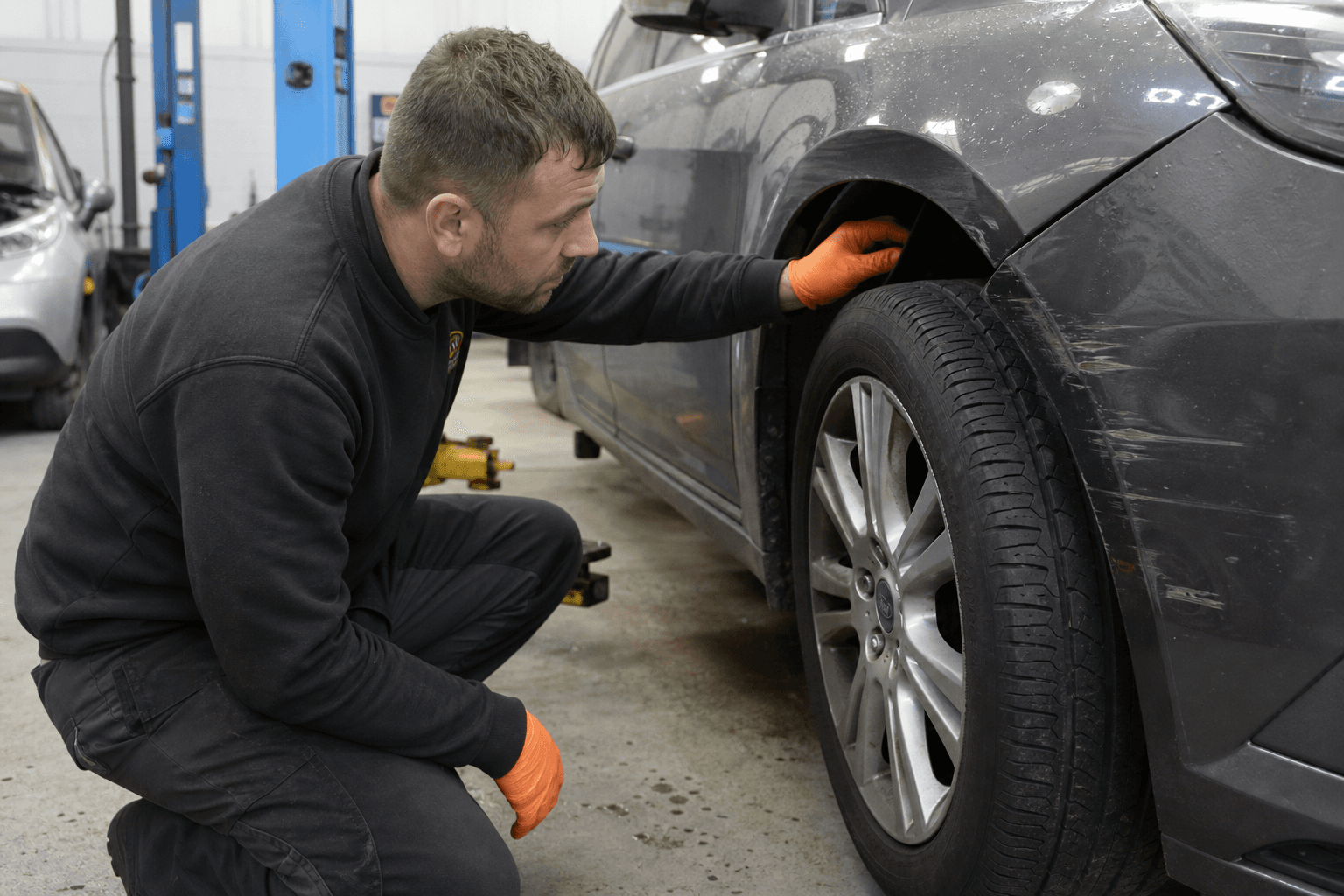
- Get an independent inspection if flood damage or airbag deployment is involved
FAQ
Does a Category N car need reinspection before going back on the road?
No. Unlike Category S, a Cat N vehicle does not require DVLA reinspection before being returned to the road. The repairer can fix it and sell it without any third-party check on the repair quality.
Is flood damage classified as Category N?
Flood damage is often classified as Category N because the chassis is typically unaffected. However, water ingress can cause long-running electrical and corrosion problems that are difficult and expensive to fix.
How much less is a Category N car worth?
Cat N cars typically sell at 15 to 25 percent below a clean equivalent. The write-off marker is permanent and affects resale every time the car changes hands. Less than 15 percent discount is not a good deal.