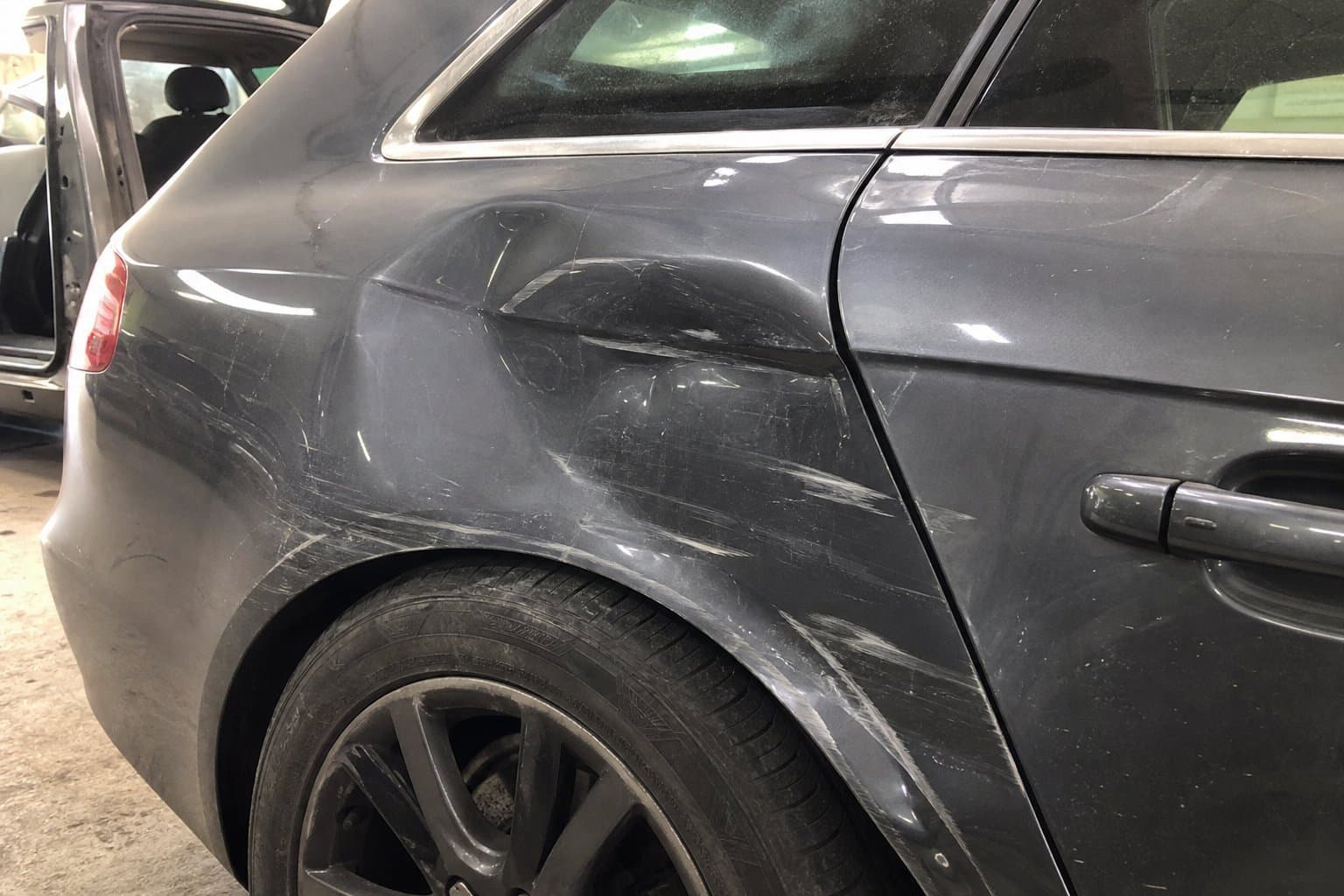
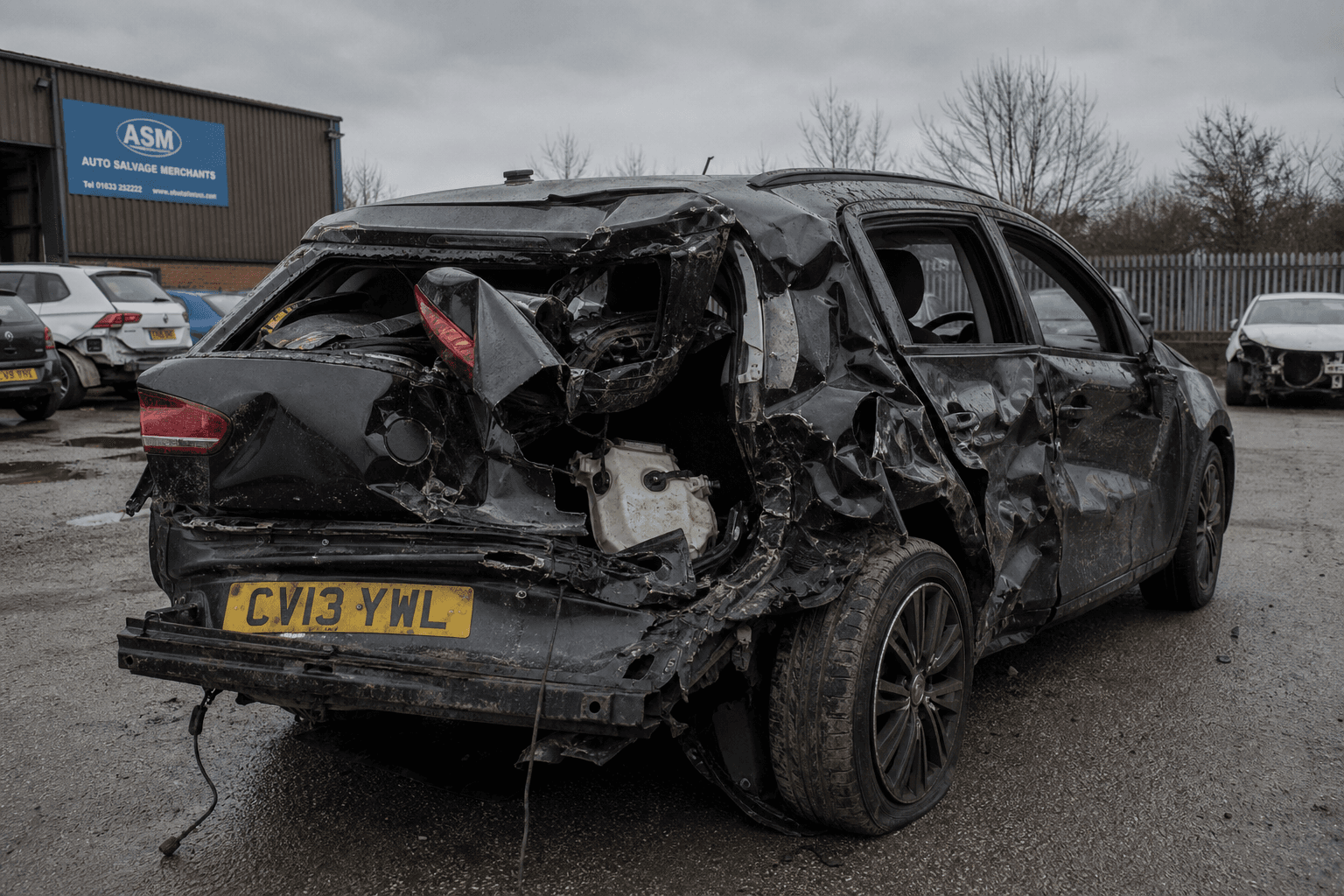
A Cat B write-off means the car is done. Not repairable, not road legal, not negotiable. If someone is trying to sell you a Cat B vehicle, something is wrong.
What Cat B Actually Means
When an insurer writes off a car as Category B, they are saying the damage is so severe that the body shell cannot safely return to the road. The vehicle must be sent to an authorised treatment facility (ATF), where the body shell is crushed and the vehicle identity destroyed.
Parts can be removed first. Engines, gearboxes, wheels, interior components - these can be extracted and sold as second-hand spares. But the shell itself, and the identity attached to it, ends there.
The V5C is surrendered to the DVLA. The vehicle's registration is cancelled. That car no longer legally exists as a road vehicle.
Cat B vs Cat A: What Is the Difference?
Cat A is the most severe classification. The vehicle must be crushed entirely - no parts salvaged, nothing sold on. Typically reserved for cars involved in catastrophic fire, severe floods, or crashes where the damage is so extensive that even the components are compromised.
Cat B allows parts to be salvaged before crushing. The body shell must still be destroyed. Neither can return to the road.
Cat S and Cat N are the repairable categories. These can return to the road after proper repair with a new MOT. They still carry a permanent write-off marker on their history and must be declared to insurers.
If a seller is offering a Cat A or Cat B vehicle for sale, something illegal or fraudulent is happening.
Why Cat B Cars Appear on the Used Car Market
If Cat B vehicles cannot be sold, why do they occasionally appear?
There are two main routes:
Fraudulent rebuilds. Criminals take a Cat B shell, acquire a legitimate identity from a similar clean vehicle that has been scrapped legitimately, and graft the clean registration onto the Cat B car. The resulting vehicle looks legitimate on paper but is built around a shell that was condemned as unsafe. This is called a ringer or VIN fraud.
Misrepresentation. A seller - either knowingly or through ignorance - lists a salvage vehicle without disclosing its category. Some buyers purchase Cat B cars from salvage auctions intending to strip them for parts, and occasionally one ends up being offered to private buyers who do not know what they are looking at.
In both cases, the risk to the buyer is serious.
What Happens If You Buy a Cat B Car
If you buy a Cat B vehicle and register it, you are driving an unregistered identity on an illegally rebuilt shell. The car should not be on the road. If it is involved in an accident, your insurance is void. If the police identify the VIN as Cat B, the vehicle will be seized.
You also have no legal protection. A car being sold on fraudulent grounds cannot be easily recovered through consumer rights law when the transaction itself was built on deception.
The financial loss is total. You cannot insure it, sell it, or register it legitimately. The car has to be scrapped.
How to Spot the Risk Before Buying
Run a full vehicle history check before you view any used car. Write-off categories are recorded on the MIAFTR database, and a comprehensive check will flag Cat B status.
Beyond the history check:
Check the VIN in multiple places. The Vehicle Identification Number should be stamped on a plate on the dashboard, in the engine bay, and on the door sill. All three should match each other and match the V5C.
Look for signs of major structural repair. Inconsistent welds, overspray, mismatched metal thicknesses around the A-pillars, B-pillars, or sills.
Be suspicious of low prices on recent vehicles. A well-priced car from a private seller with a vague history is worth checking before you get excited.
Check the DVLA record matches. Does the colour, engine size, and registration date on the V5C match what you are being shown?
What to Do If a Check Returns Cat B
Close the listing. Do not meet the seller. Do not proceed.
If you have already met the seller and believe the car is being fraudulently sold, you can report it to Action Fraud or the police.
There is no scenario where buying a Cat B vehicle makes sense for a private road user.
Useful Links
- ABI vehicle write-off categories - Association of British Insurers explanation of all write-off categories
- DVLA vehicle registration cancellation - Gov.uk guidance on what happens to written-off vehicles
- Action Fraud - vehicle fraud reporting - Report suspected vehicle identity fraud
- MIAFTR database explained - Motor Insurance Anti-Fraud and Theft Register background
Run a full vehicle history check for £9.99. Write-off category, finance, stolen marker, keeper history and more. Know before you buy.
FAQ
What is a Cat B write-off?
Category B is an insurance write-off classification meaning the vehicle has sustained such severe damage that its body shell must be crushed. Parts can be salvaged and sold, but the shell - and the vehicle's identity - cannot return to the road under any circumstances.
Can a Cat B car be repaired and put back on the road?
No. Cat B write-offs are legally required to be crushed. The V5C is surrendered and the vehicle's identity is destroyed. Any car presented for sale claiming to be a rebuilt Cat B is either fraudulent or misrepresented.
How do I know if a car has Cat B history?
Run a full vehicle history check before viewing any used car. Write-off categories including Cat B are recorded on the MIAFTR database and will appear on a comprehensive history check. Cat B should never appear on a car being actively sold.
What is the difference between Cat A and Cat B?
Cat A means the entire vehicle must be crushed - no parts can be salvaged. Cat B means the body shell and identity must be destroyed but individual parts can be removed and sold on as spares. Neither vehicle can return to the road.