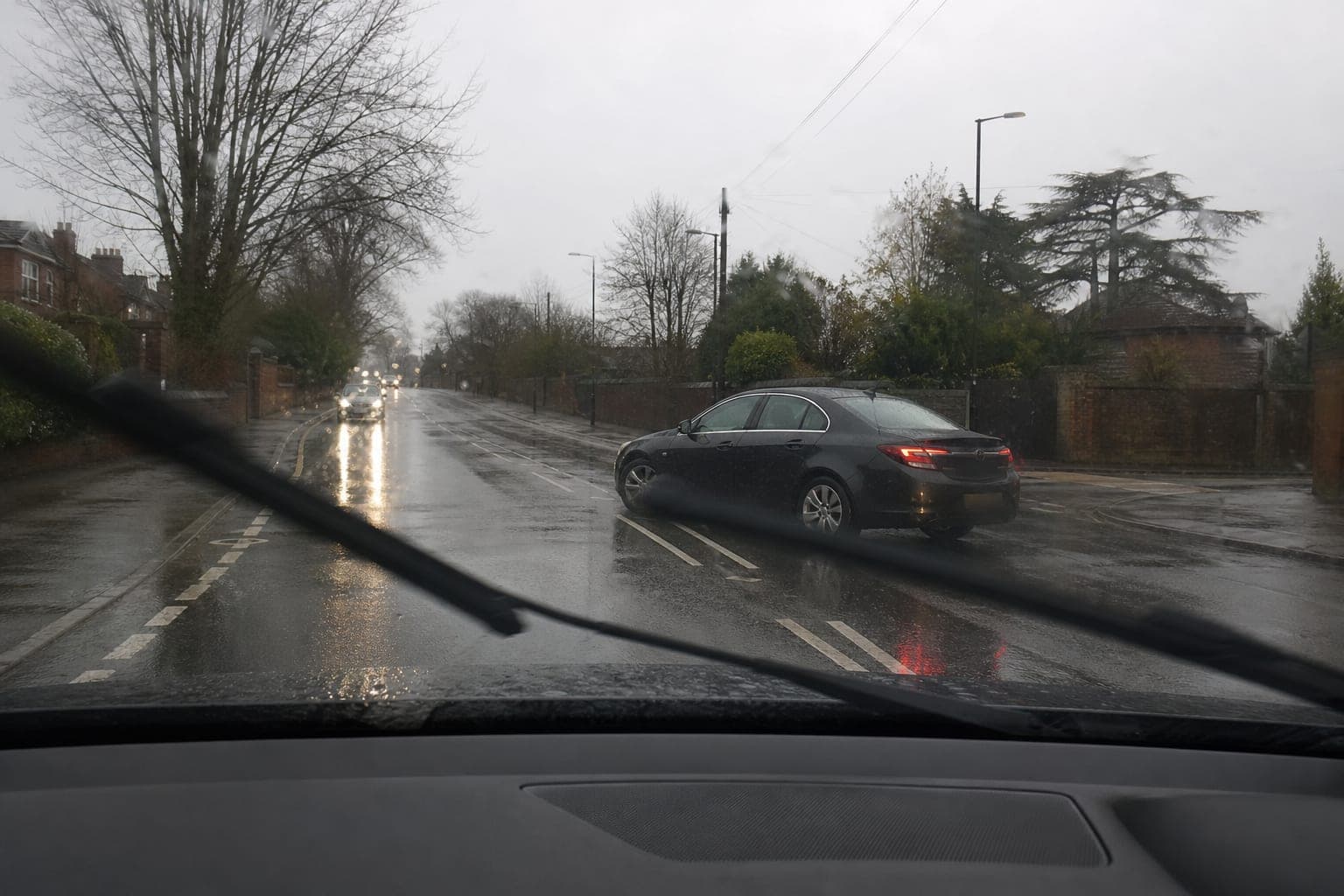
Someone pulls out of a side road without looking. You brake hard, stop with a foot to spare, and your dash cam caught the whole thing. Dash cam footage as evidence in the UK is accepted by police and insurers every day. But most of the clips drivers send never lead anywhere, because of what happened to the file between the incident and the upload.
Here is how to keep footage usable and where to send it.
When Dash Cam Footage as Evidence Works
Footage earns its keep in two situations.
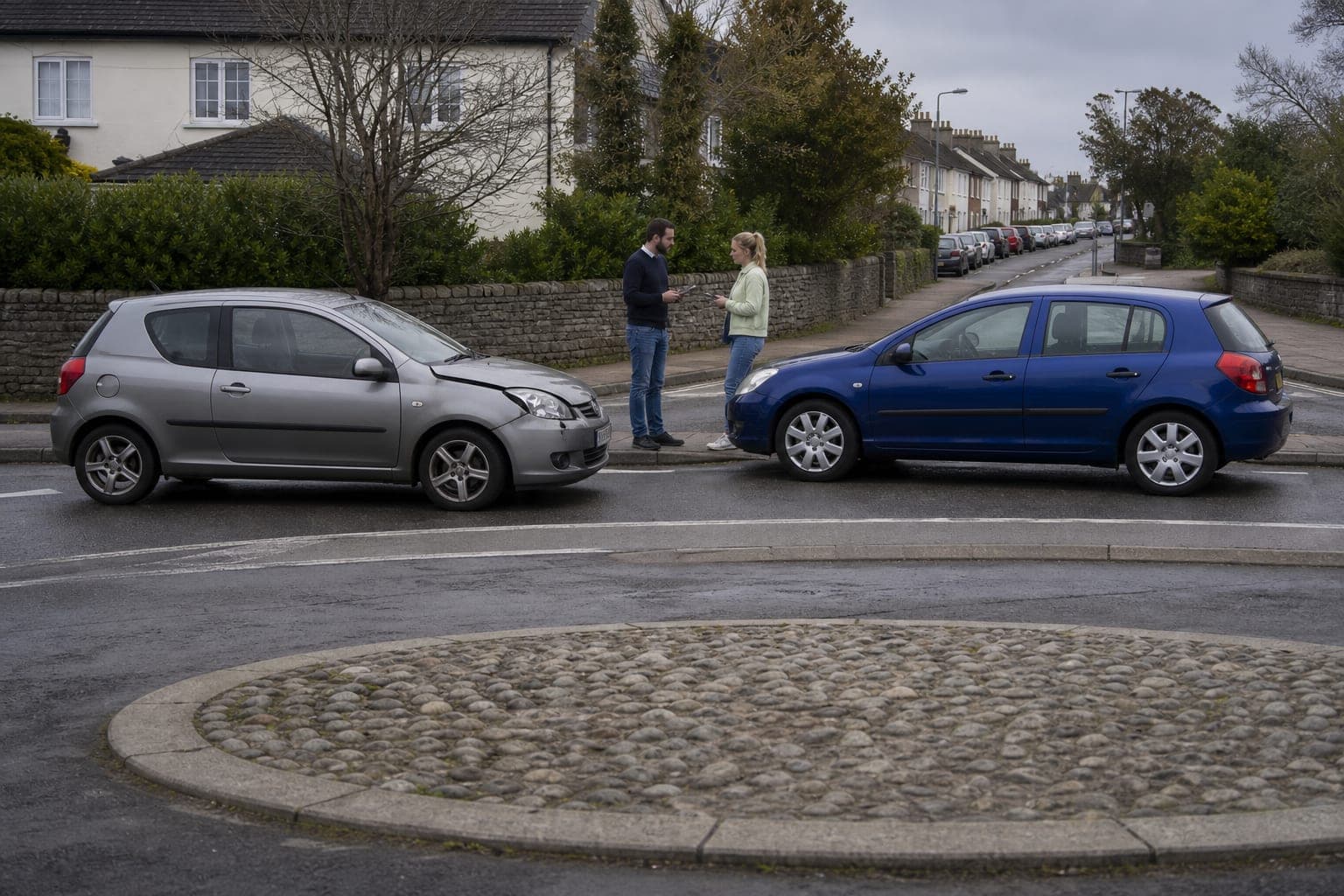
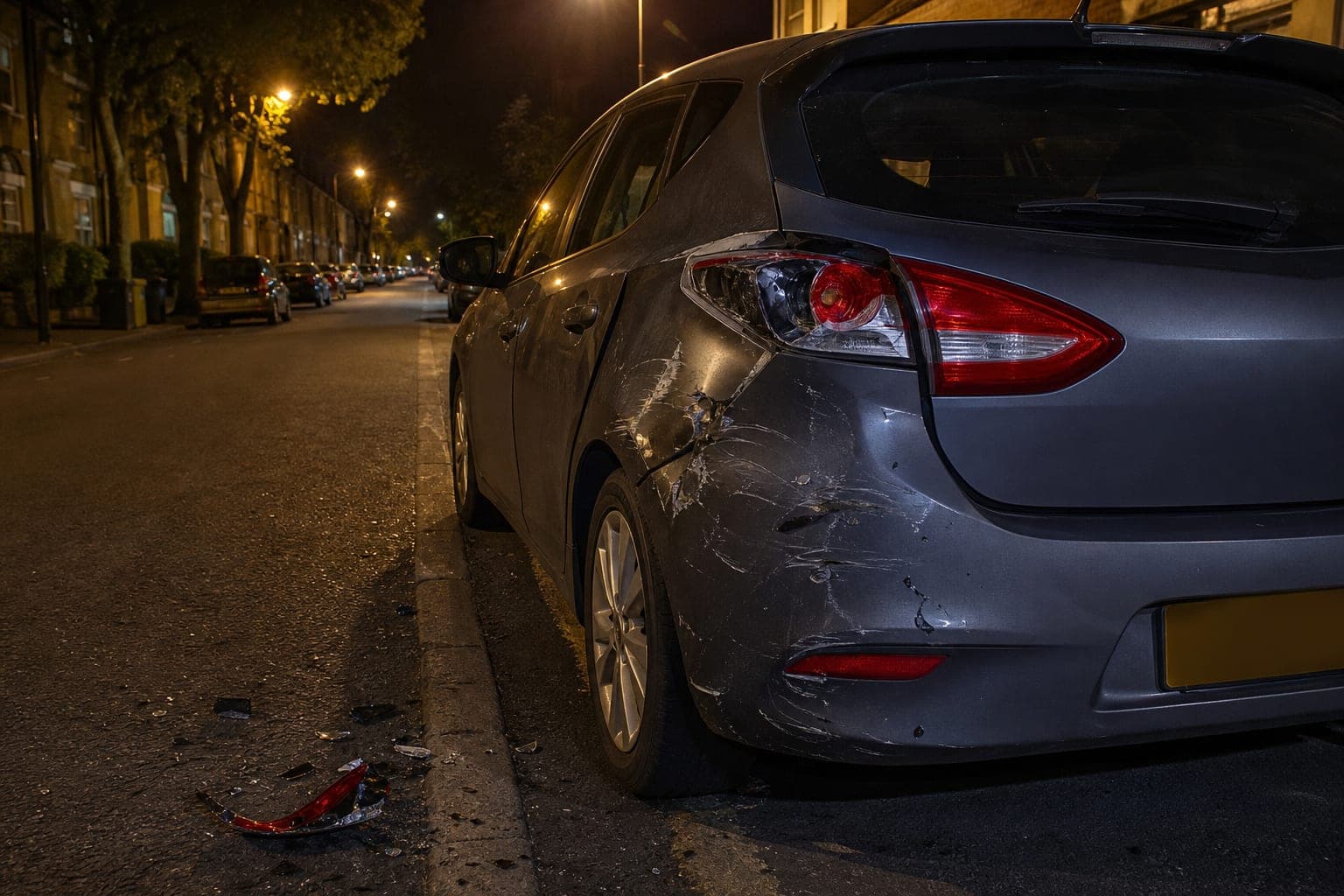
Insurance claims. After a crash, insurers look for the strongest evidence of who was at fault. Without independent witnesses, many disputed claims end up split, meaning both sides share the blame and both premiums suffer. Clear footage of the other driver running a red light or pulling out changes that conversation. Our guide on how fault is decided after a crash explains why.
Police reports. Most forces in England and Wales accept dash cam footage of driving offences through an online portal. Dangerous overtakes, phone use, red light jumping and close passes on cyclists all get reported this way, and drivers are prosecuted on the strength of it.
What Makes Footage Usable
It must be the original file
Do not trim it in an app, add music or screen record it on your phone. Keep the original file straight off the memory card. Police may ask for more than the clip, including a minute or two either side, so do not delete anything around the incident.
It must show the offence clearly
The vehicle's registration needs to be readable, or at least the make, model and colour need to be clear and consistent with the plate you report. Night footage, rain and low resolution cameras lose plates quickly. A rear camera often catches what the front one misses.
It must be saved before it records over
Most dash cams loop record, overwriting the oldest files when the card is full. Many lock a file automatically when they detect a hard brake or impact. Near misses often do not trigger that. Press the save or lock button as soon as you are safe to do so, or the clip may be gone within an hour of driving.
Sending Footage to the Police
Search for your police force name plus "dash cam". Most use the National Dash Cam Safety Portal or their own upload page. You will usually be asked for:
- the date, time and exact location
- the registration of the offending vehicle
- a short statement of what happened
- confirmation that you are willing to go to court if needed
Speed matters. For many offences the registered keeper has to receive a Notice of Intended Prosecution within 14 days. Footage sent three weeks later is often too late to act on, however clear it is.
Do not post it online first. Publishing a clip can prejudice a prosecution and may raise data protection problems if people are identifiable. Send it, then wait.
Sending Footage to Your Insurer
Tell your insurer you have footage when you first report the claim. Ask how they want it sent, as most have an upload link. Keep your own copy. If the other insurer disputes the claim, your footage may be the only independent record of what happened.
Dash Cam Rules You Must Follow
Recording from your own car is legal. Where you put the camera is the part that catches people out. It must not obstruct your view of the road, so mount it behind the rear view mirror rather than in the middle of the windscreen. Touching or adjusting it while driving can count as being distracted, and the rules on using a hand held device apply if you are holding your phone to control it.
Using Footage to Spot Bad Drivers
Most footage shows a moment, not a pattern. If a vehicle near you has a history, the MOT record and the full report will show it. Our guide to checking for bad drivers explains what can and cannot be found from a registration.
FAQ
Can dash cam footage be used as evidence in the UK?
Yes. Police forces accept dash cam footage of driving offences, usually through an online submission portal, and insurers use it to decide fault after a crash. It must be original, unedited and clear enough to show what happened and the vehicle involved.
How quickly should I send dash cam footage to the police?
As soon as you can, ideally within a few days. For many driving offences police must send a Notice of Intended Prosecution to the registered keeper within 14 days, so footage that arrives late often cannot be acted on.
Is it legal to have a dash cam in the UK?
Yes. Recording the road from your own car is legal. The camera must not block your view of the road, and you should avoid touching or adjusting it while driving.
Can I post dash cam footage online?
You can, but it is a bad idea if you want it used as evidence. Posting it can prejudice a prosecution, and identifiable people or plates in footage you share publicly can raise data protection issues. Send it to the police or your insurer first and keep it off social media.
Will a dash cam lower my insurance?
Some insurers offer a small discount for a fitted dash cam, many do not. The bigger value is in disputed claims, where footage can stop a crash being split 50/50 when it was not your fault.
Useful Links
- The Highway Code - GOV.UK - The rules on driver distraction and keeping a clear view of the road.
- Data protection - GOV.UK - How the law treats recordings that identify other people.
- Penalty points (endorsements) - GOV.UK - The penalties drivers face when footage leads to a prosecution.