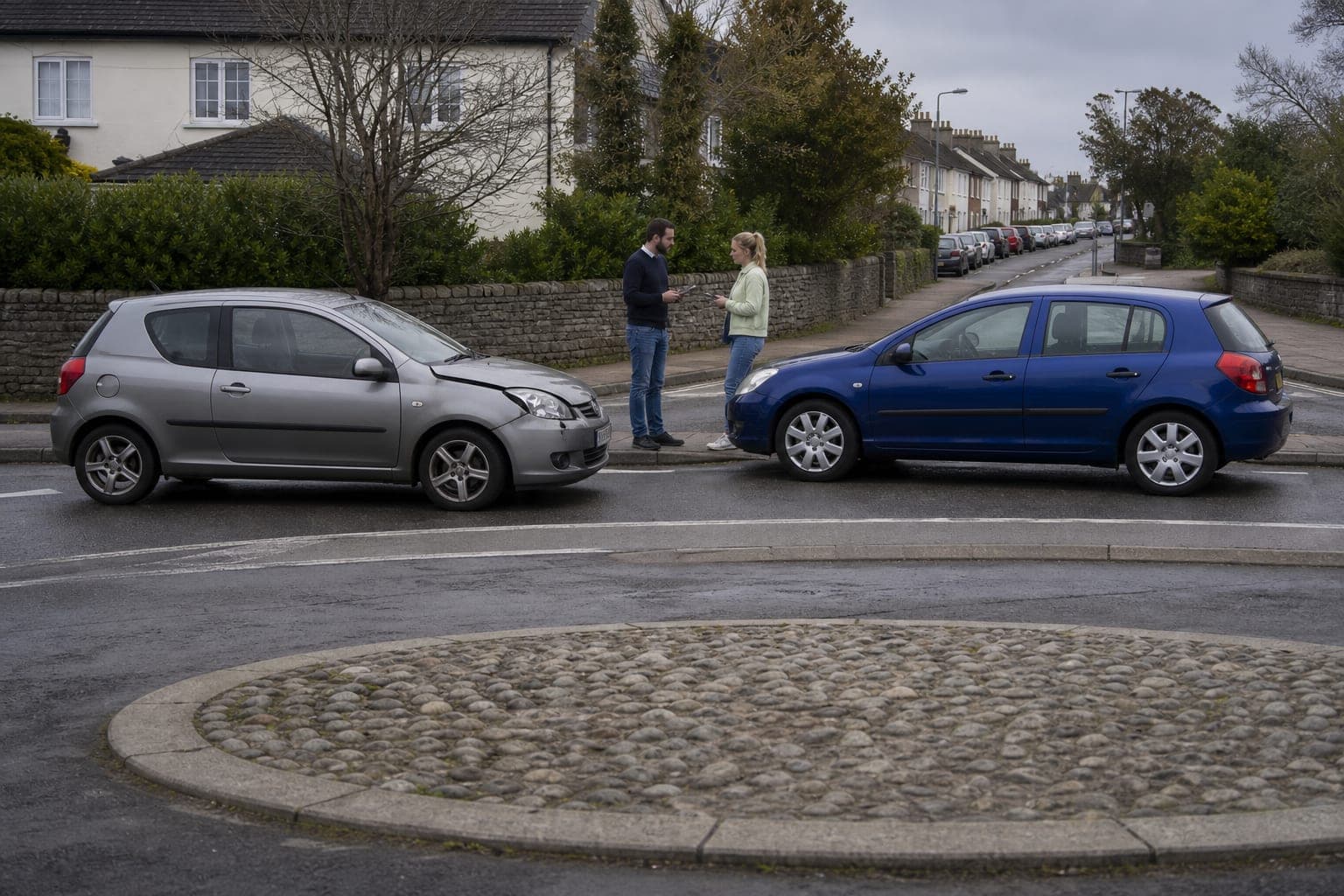
Two cars, one dented bumper and two drivers who both think the other one caused it. Knowing how fault is decided in a car accident in the UK matters, because it decides who pays, whose premium goes up and whether you lose your no claims bonus.
Fault is not decided at the roadside, and it is not decided by who apologises first. It comes down to evidence and the rules every driver is expected to follow.
Who Actually Decides Fault
Insurers decide fault in almost every case. Each driver reports the crash to their own insurer, the insurers exchange accounts and evidence, and they agree who pays. If they cannot agree, the case can go to court, but that is rare for minor damage.
The police are a separate matter. They decide whether to prosecute anyone for an offence such as careless driving. A conviction is strong evidence of fault, but the police do not attend most minor collisions.
The Highway Code Sets the Standard
Insurers and courts measure each driver's actions against the Highway Code. Breaking a rule does not automatically mean full blame, but it carries a lot of weight. Some common examples are below.
Rear-end collisions
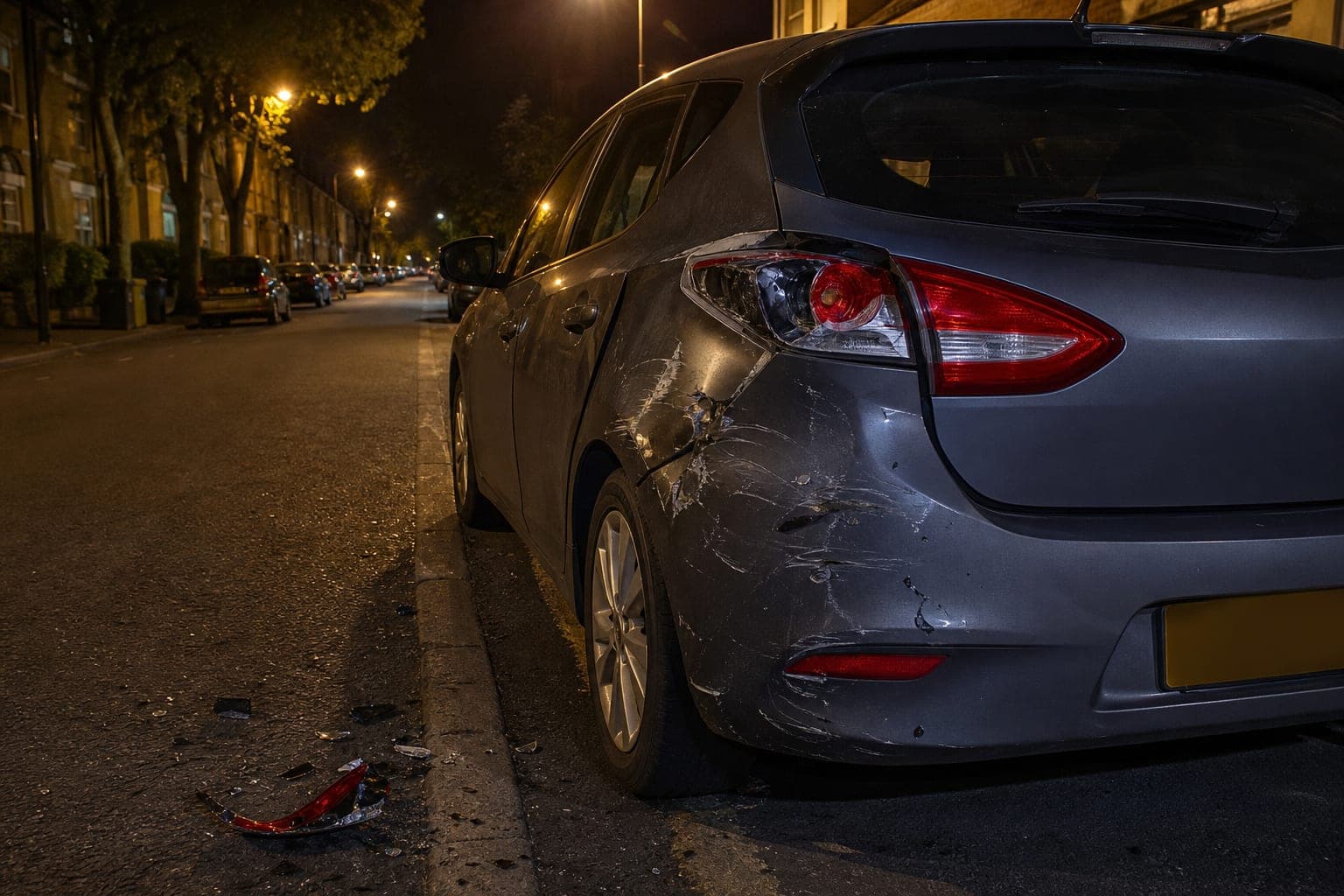
The driver behind is usually held at fault, because drivers must leave enough room to stop safely. Exceptions exist, for example a driver who reverses into the car behind, but they need evidence.
Junctions and side roads
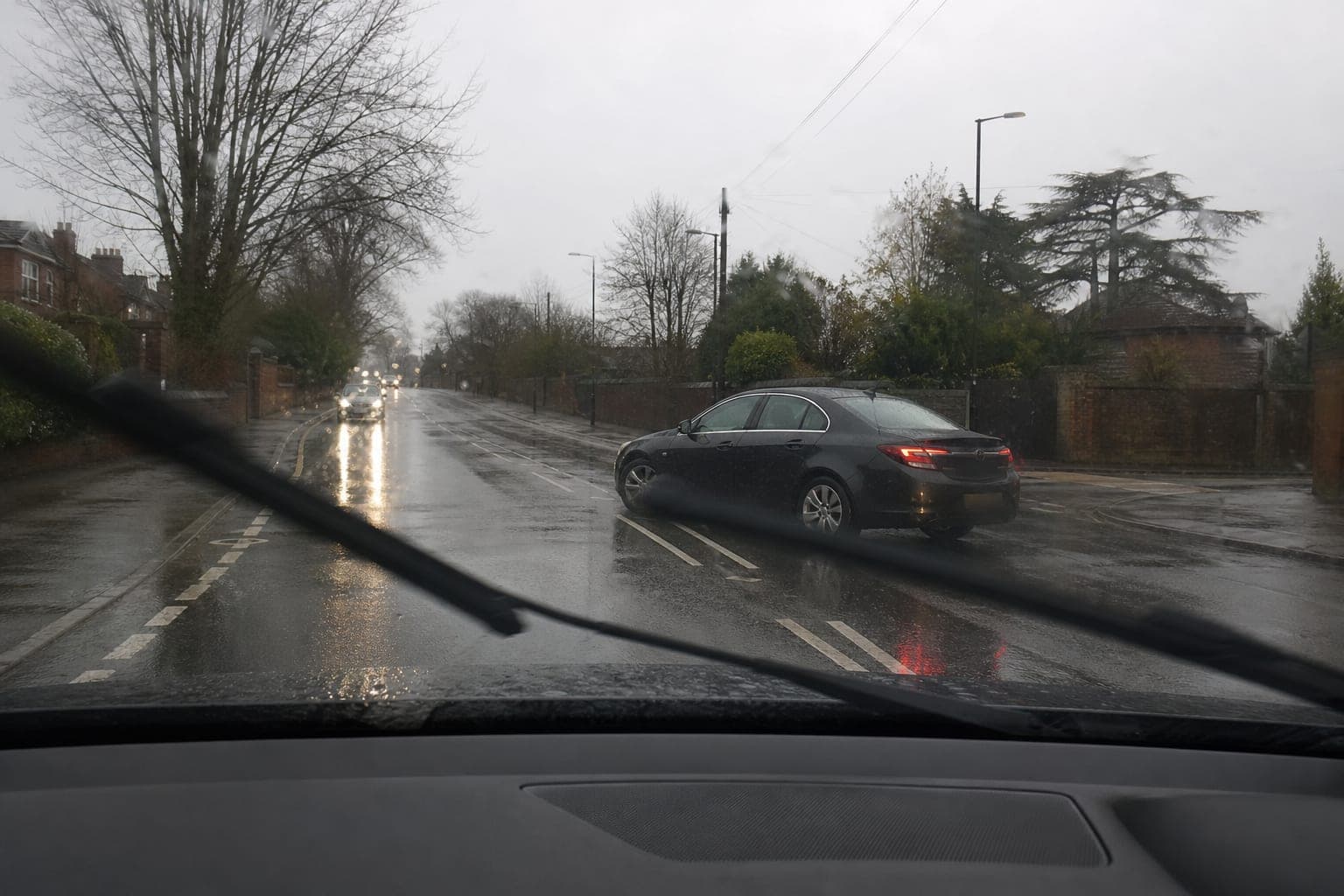
A driver pulling out of a side road must give way to traffic on the main road. Pulling out and causing a collision usually puts them at fault. Speeding on the main road can shift some of the blame.
Roundabouts
Drivers must give way to traffic already on the roundabout, usually from the right. Lane changes on large roundabouts cause many disputes, and these often end up split.
Car parks
Car parks are where most 50/50 outcomes happen. Two cars reversing out of bays into each other, with no witnesses and no footage, usually share the blame equally.
Lane changes
The driver changing lanes must make sure it is safe. A collision during a lane change usually puts them at fault, unless the other driver was speeding or undertaking.
Why So Many Claims Are Split 50/50
When both drivers give opposite accounts and there is no independent evidence, insurers often settle on split liability. It is quicker than arguing. The result is a fault claim on both policies, even if one driver was completely blameless.
The way to avoid that outcome is evidence.
Evidence That Changes the Outcome
Gather as much as you can on the day:
- dash cam footage, the single most persuasive piece of evidence. See our guide on dash cam footage as evidence
- independent witnesses, with names and phone numbers
- photographs of the cars in their final positions, the damage, road markings and signs
- CCTV from nearby shops or houses, requested quickly before it is overwritten
- your own written account, made the same day while it is fresh
What Not to Do at the Scene
- do not admit fault or sign anything
- do not argue about who caused it
- do not move the cars before photographing them, unless they are causing danger
- do exchange names, addresses, registrations and insurance details
If the other driver leaves without giving details, our guide on what to do after a hit and run covers the next steps.
Fault Claims and Your Premium
A fault claim usually reduces your no claims bonus and raises your premium for several years. Even a non-fault claim can affect premiums slightly, depending on the insurer. Damaged cars can also be written off, which then shows on any future history check when the car is sold.
FAQ
Who decides fault in a UK car accident?
The insurers involved decide, based on the evidence. If they cannot agree, the dispute can go to court, though most claims are settled between insurers without one. The police decide only whether to prosecute anyone for an offence, which is a separate question.
Is the driver behind always at fault in a rear-end crash?
Usually, because the Highway Code expects drivers to leave enough room to stop. There are exceptions, such as a driver who reverses into the car behind or brakes deliberately to cause a crash, but evidence is needed to prove them.
What does a 50/50 claim mean?
Split liability means the insurers agree both drivers share the blame equally. Each insurer pays half of the other side's costs. It usually counts as a fault claim on both policies, so premiums can rise for both drivers.
Should I admit fault at the scene?
No. Exchange details, stay calm and stick to facts. Saying sorry is natural but can be treated as an admission. Let the evidence and the insurers decide.
What evidence helps prove I was not at fault?
Dash cam footage, independent witnesses, photographs of the vehicles' final positions and damage, CCTV and a clear written account made soon after the crash. Evidence gathered on the day is far more persuasive than anything recalled weeks later.
Useful Links
- The Highway Code - GOV.UK - The rules insurers and courts use to judge each driver's actions.
- Vehicle insurance - GOV.UK - What cover drivers must have and what happens after an accident.
- Penalty points (endorsements) - GOV.UK - Penalties for careless and dangerous driving.