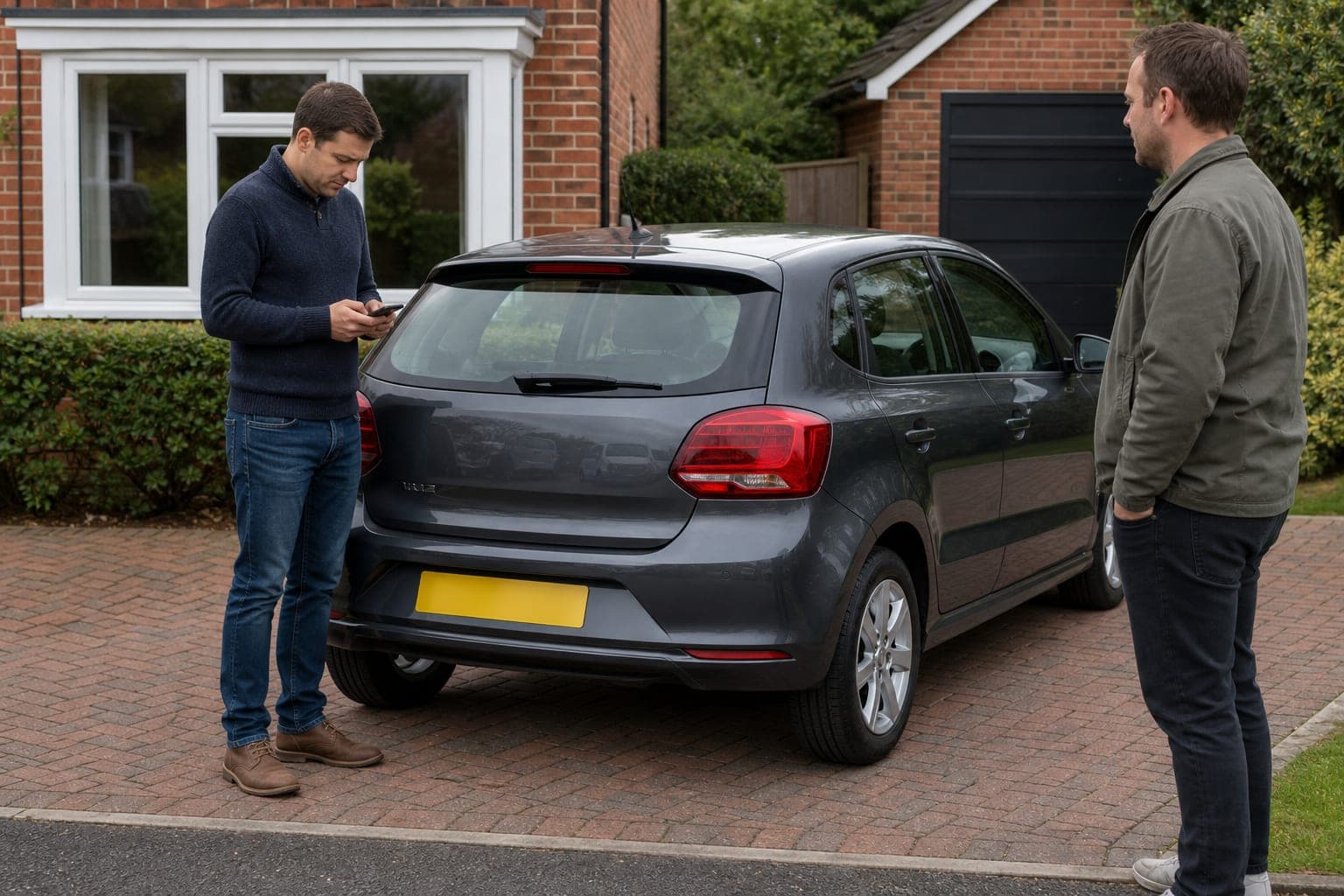
The seller's car runs perfectly. The coolant tank is full, the temperature gauge sits in the middle, and the price is low. A week later you notice the coolant has gone, nothing is dripping, and there is a cloud of white smoke every time you start it. Head gasket failure signs are often hidden on the day you view a car, but they rarely disappear completely.
What a Head Gasket Does
The head gasket seals the gap between the engine block and the cylinder head. It keeps combustion gases in the cylinders, coolant in its channels and oil in its passages. When it fails, those three start mixing. The engine overheats, loses coolant or burns it, and in the worst cases the damage spreads to the cylinder head and the engine itself.
Common Head Gasket Failure Signs
Coolant that disappears with no leak
This is the classic one. The coolant level drops steadily, but there is no puddle under the car and nothing wet in the engine bay. The coolant is going into the engine and out of the exhaust.
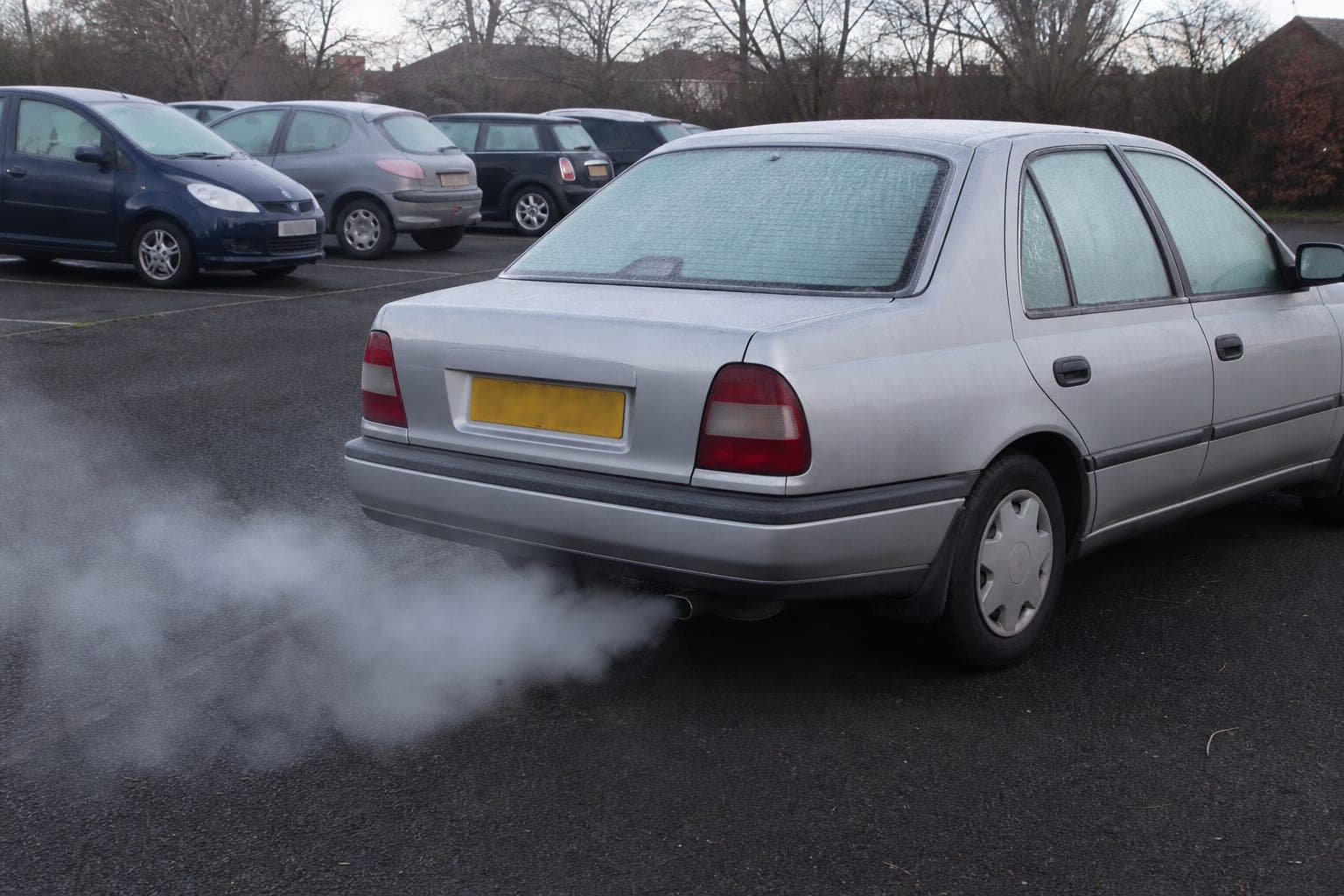
White smoke with a sweet smell
A little white vapour on a cold morning is normal condensation and clears quickly. Thick white smoke that keeps coming once the engine is warm, with a sweet smell, means coolant is being burned.
Overheating
A temperature gauge that climbs on a test drive, especially in traffic or on hills, is a warning. Some sellers drive the car gently to the viewing so it never gets hot enough to show.
Bubbles in the expansion tank
With the engine running and fully warm, watch the coolant in the expansion tank. A steady stream of bubbles suggests combustion gas is being forced into the cooling system. Do not open a hot pressurised cap. Look through the tank instead.
Oil and coolant mixing
Check the dipstick and the underside of the oil filler cap. Milky, creamy residue can mean coolant in the oil. Be careful with this one: short trip cars collect condensation under the cap and look similar. It is a reason to test, not proof.
The Tricks Sellers Use
A seller who knows about a failing head gasket can hide it for a viewing:
- topping up the coolant just before you arrive
- warming the car up so it does not smoke from cold
- keeping the test drive short and slow
- using coolant system sealant, which can mask a small leak for a while
Ask to see the car from cold, and bring the coolant level up in conversation. A seller who has just topped it up often admits it if you ask directly.
What the MOT History Shows
The MOT does not test the head gasket. But the history can still help:
- advisories for low coolant
- emissions failures from heavy smoke
- a pattern of fails and quick retests
Our guide to reading MOT history covers how to spot recurring problems across several tests.
Get a Combustion Leak Test
If anything makes you suspicious, ask a garage for a combustion leak test, often called a sniffer or block test. It detects exhaust gases in the coolant and costs very little compared with the repair. A seller who refuses to let a garage look is telling you something.
What a Head Gasket Repair Costs
The repair is labour heavy, as the top of the engine comes apart. Bills commonly run from several hundred pounds to well over £1,000. If the engine overheated badly, the cylinder head may be warped and need machining or replacing, which adds more. On older, cheaper cars this is often more than the car is worth.
Buying a Car With a Known Head Gasket Problem
Some buyers take these on as projects at a scrap price. That is a reasonable choice if you know exactly what you are buying. Make sure the price reflects the worst case, not the best. Check the rest of the car too: our checklist on signs a used car has been driven hard covers the wear that often comes with neglected engines.
FAQ
What are the first signs of head gasket failure?
Losing coolant with no visible leak, the temperature gauge creeping up, white exhaust smoke that smells sweet, and bubbles in the coolant expansion tank with the engine running. Any one of these on a car you are about to buy is a reason to stop and investigate.
Does mayonnaise under the oil cap mean a blown head gasket?
Not always. A creamy deposit under the oil filler cap can come from condensation on cars that only do short trips. It is a reason for a proper test, not proof on its own.
How much does a head gasket repair cost?
Commonly from several hundred pounds to well over £1,000, depending on the engine and how much damage was done by overheating. A warped cylinder head adds machining or replacement costs on top.
Can a car with a blown head gasket pass its MOT?
It can. The MOT does not test for head gasket failure directly, though heavy smoke may cause an emissions failure. Low coolant can appear as an advisory, which is worth noticing in the MOT history.
Is a sniffer test worth doing before buying?
Yes, if you have doubts. A combustion leak test detects exhaust gas in the coolant and costs very little at most garages. It is far cheaper than finding out after you have paid.
Useful Links
- Getting an MOT - GOV.UK - What the annual test covers and what it leaves out.
- MOT inspection manual for cars - GOV.UK - The official standard for emissions and fluid leak failures.
- Consumer protection rights - GOV.UK - Your rights if a dealer sold you a car with a hidden fault.