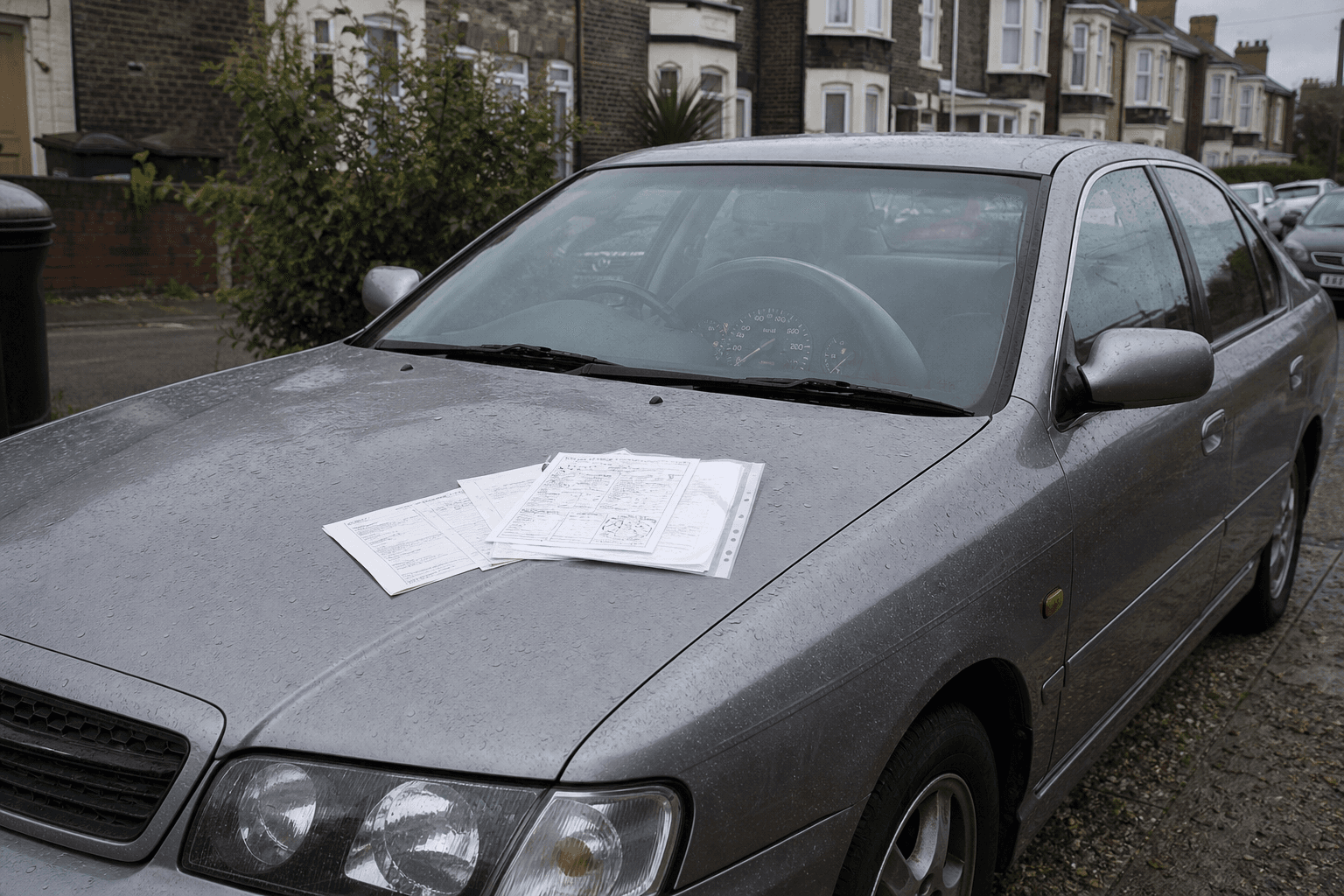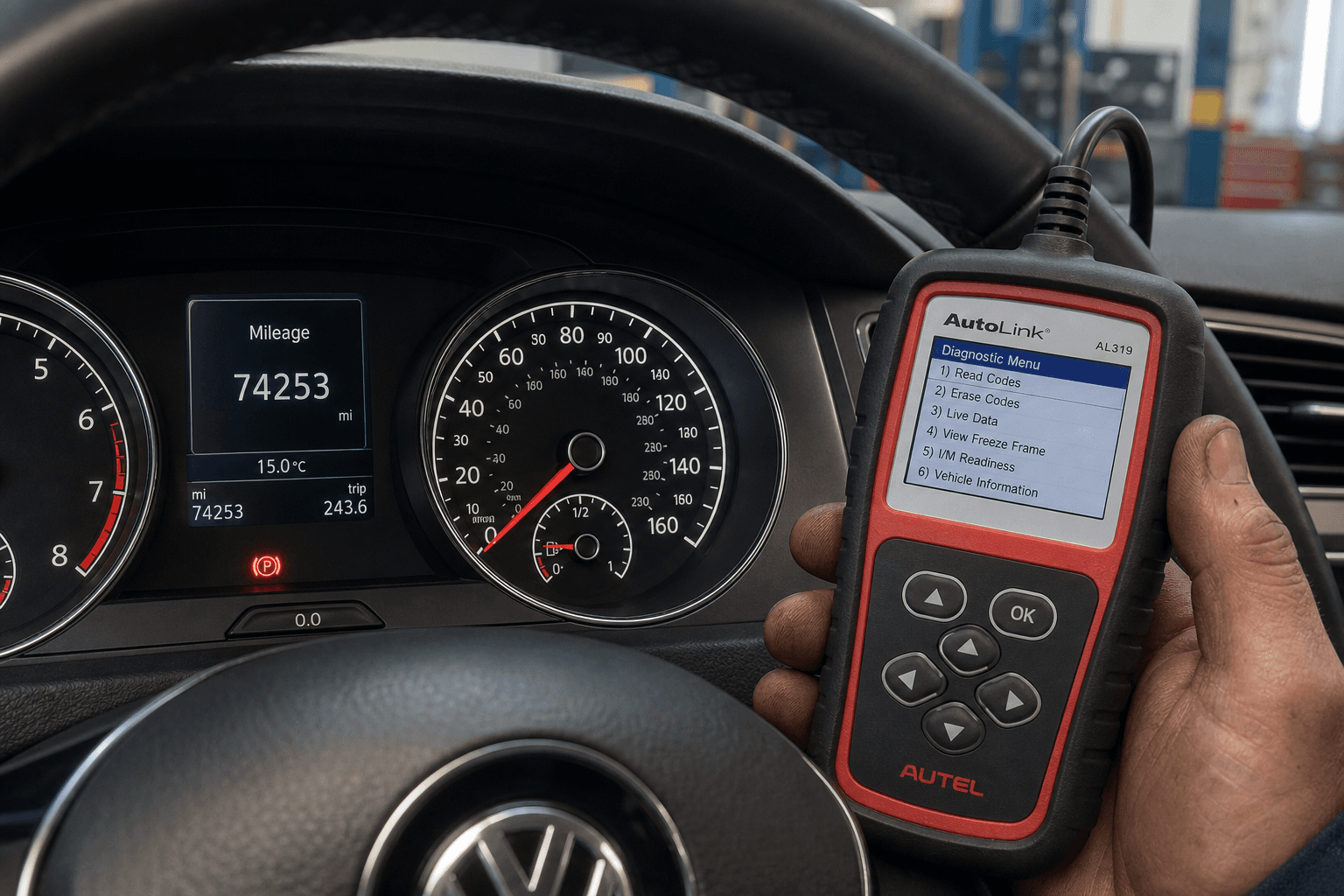
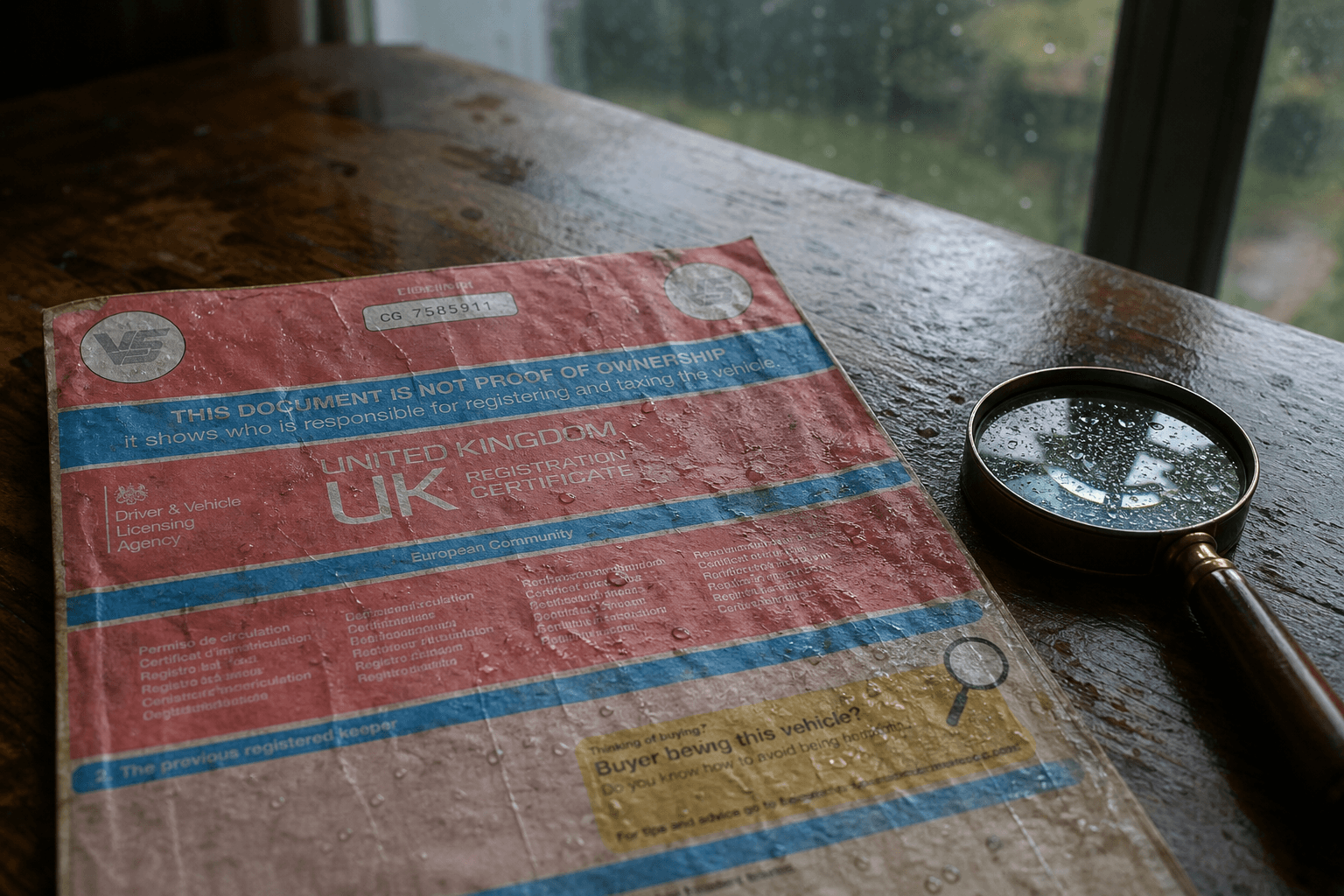
Flood damaged car history is one of the biggest gaps in what a vehicle check can tell you. Unlike finance or write-off data, flood damage often leaves no official record at all. A car can have been submerged, repaired, and put back on the market with a completely clean history showing.
That is not a failure of the history check system. It reflects how flood damage is actually handled by insurers, repairers, and previous owners. Understanding why the gap exists helps you protect yourself.
Why Flood Damage Does Not Trigger a Write-Off Category
When a car is flooded, the outcome depends on who knows about it and what they decide to do.
If the owner makes an insurance claim, the insurer will assess the damage. A flooded car with deep water ingress, electrical system damage, or a contaminated engine may be declared a total loss. When that happens, the insurer registers the write-off category with the MIAFTR database, and it will show on a history check.
But insurers do not automatically write off every flooded car. If the repair cost is below the car's value, they may repair it and return it to the owner. The car gets new upholstery, dried-out wiring looms, and cleaned components - and no write-off marker. Nothing goes on the record.
Then there is the private repair route. If the owner does not involve their insurer, perhaps to protect their no-claims bonus or because the car was caught in surface flooding that looked cosmetic, the damage is never reported. No claim, no assessment, no record.
Why MOT History Is Silent on Flood Damage
A MOT tests specific mechanical and safety items. Steering, brakes, lights, tyres, emissions, visibility. MOT inspectors are not assessing whether a car has been in a flood.
Corrosion inside the sills or chassis members might eventually cause a MOT failure on structural grounds, but that takes time. In the early months after a flood event, a car can pass its MOT with no defects while concealing water-damaged wiring, corroded earth points, and contaminated mechanical components.
MOT advisories may occasionally hint at early corrosion, but even that is not reliable. An advisory noting surface rust on the underside could apply to any older UK car.
Do not rely on MOT records to detect flood history.
How Insurers Handle Total Loss Flood Claims Differently
When a flooded car is declared a total loss, it enters the salvage chain. The insurer takes ownership of the vehicle, and the keeper is paid out. The salvage vehicle is then sold, usually via auction to salvage traders.
Here is where it splits. If the car is written off as Cat A or Cat B, it must be crushed. If it is Cat S or Cat N, it can be repaired and sold back into the used car market. Cat S and Cat N flood write-offs will show on a history check.
But the repair standard for a flood salvage vehicle depends entirely on who buys it and what they do with it. A reputable repairer will replace wiring, dry the interior properly, and put the car through a proper inspection. A less thorough operation will do the minimum to get it looking presentable and back on a forecourt.
A Cat N marker on a history check tells you a car had non-structural flood damage. It does not tell you whether the repair was done to a good standard.
The Partial Insurance Settlement Problem
There is another scenario that leaves almost no trace.
An owner floods their car in a river crossing or storm surge. They make a claim. The insurer assesses the damage, decides it is repairable, and pays for a repair. The car comes back with new carpets and a dried interior. It is not written off. No write-off category is assigned. The owner gets the car back and later sells it privately.
On paper the car is clean. The new buyer runs a history check and sees nothing relevant. They buy the car.
Six months later the corrosion that was already starting inside the sills begins to show. The electronics start failing. The history check was clean because the history recorded nothing.
A History Check Is the Starting Point, Not the Full Picture
A history check is not worthless for flood risk. It will flag any write-off category that was registered, including flood-related Cat S and Cat N markers. It will show if the car has had multiple keepers in a short period, which can indicate a problem car being moved on quickly. It will confirm current tax and MOT status.
What it cannot do is tell you about floods that were never reported, repairs that were never declared, and damage that has not yet shown up on any record.
For flood-risk vehicles, the history check has to be backed up by a physical inspection. That is a separate process.
Useful Links
- Scrapped and written-off vehicles - GOV.UK explanation of what happens when a vehicle is written off
- Flood warnings and alerts - GOV.UK flood information service
Run a full vehicle history check for £9.99. Write-off category, finance, stolen marker, keeper history and more. A clean result is a starting point, not a guarantee.
FAQ
Does flood damage show up on a car history check?
Not always. Flood damage only appears if the insurer declared the car a total loss and registered it with MIAFTR. If the car was repaired under insurance without a write-off, or repaired privately without an insurance claim, nothing appears. A clean history does not mean a clean car.
Will flood damage show on a MOT history?
No. MOT inspectors check mechanical and safety items. Water damage to electronics, upholstery, or corrosion hidden inside cavities will not cause a MOT failure unless it has already caused a visible mechanical or structural fault. MOT records tell you nothing about flood history.
What write-off category is given for a flood-damaged car?
It depends on the insurer's assessment. A severely flooded car may be written off as Cat S if the chassis is affected, or Cat N for non-structural electrical damage. Many flood cars are repaired rather than written off, meaning no category is ever assigned.
How can I tell if a car has flood damage history?
Run a history check first to catch any write-off markers that have been registered. Then inspect the car in person. Look for tide marks, corrosion under seats, musty smell, gritty silt in door pockets, and damaged wiring connectors under the dash.