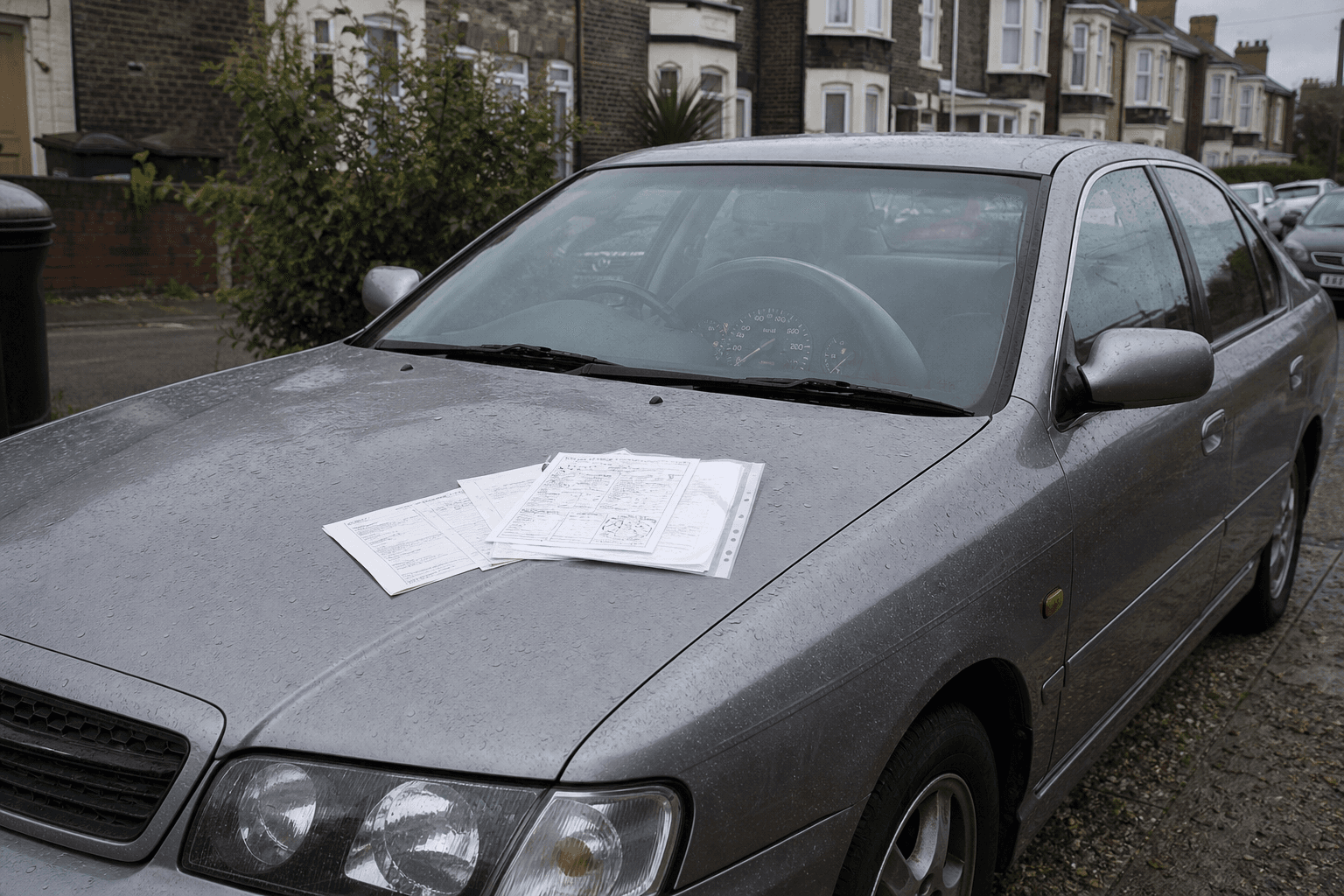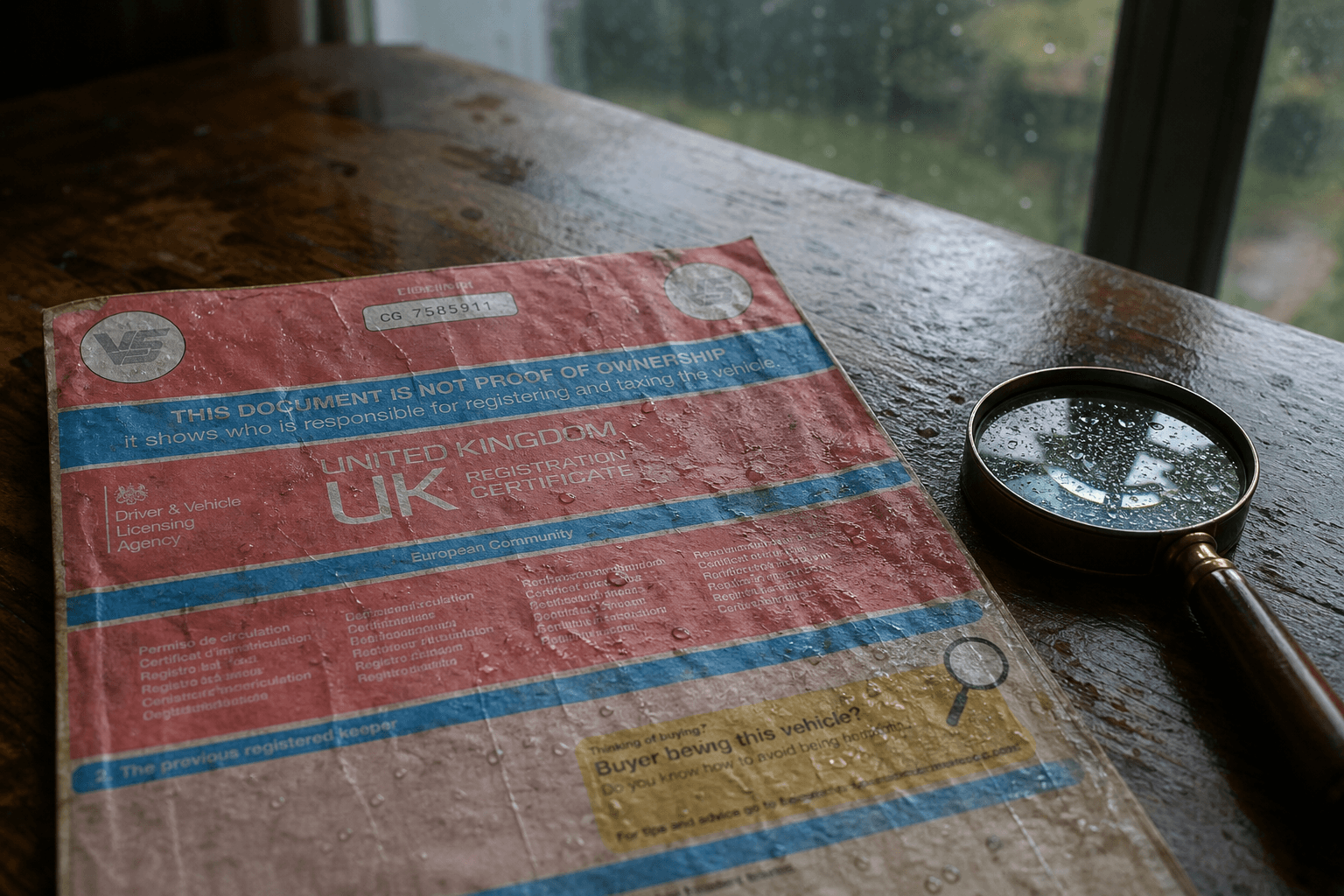
A mileage check is one of the most important checks you can run on a used car. In the UK, mileage fraud - commonly called clocking - is widespread enough that buyers lose millions of pounds every year on cars that are far older in real terms than their dashboards suggest.
A mileage check cross-references a vehicle's odometer readings across multiple points in its history, primarily using DVSA MOT test data. Each MOT records the mileage at the time of the test. Lined up in sequence, these readings show whether a car's mileage is consistent or whether someone has wound it back.
How Mileage Fraud Works in the UK
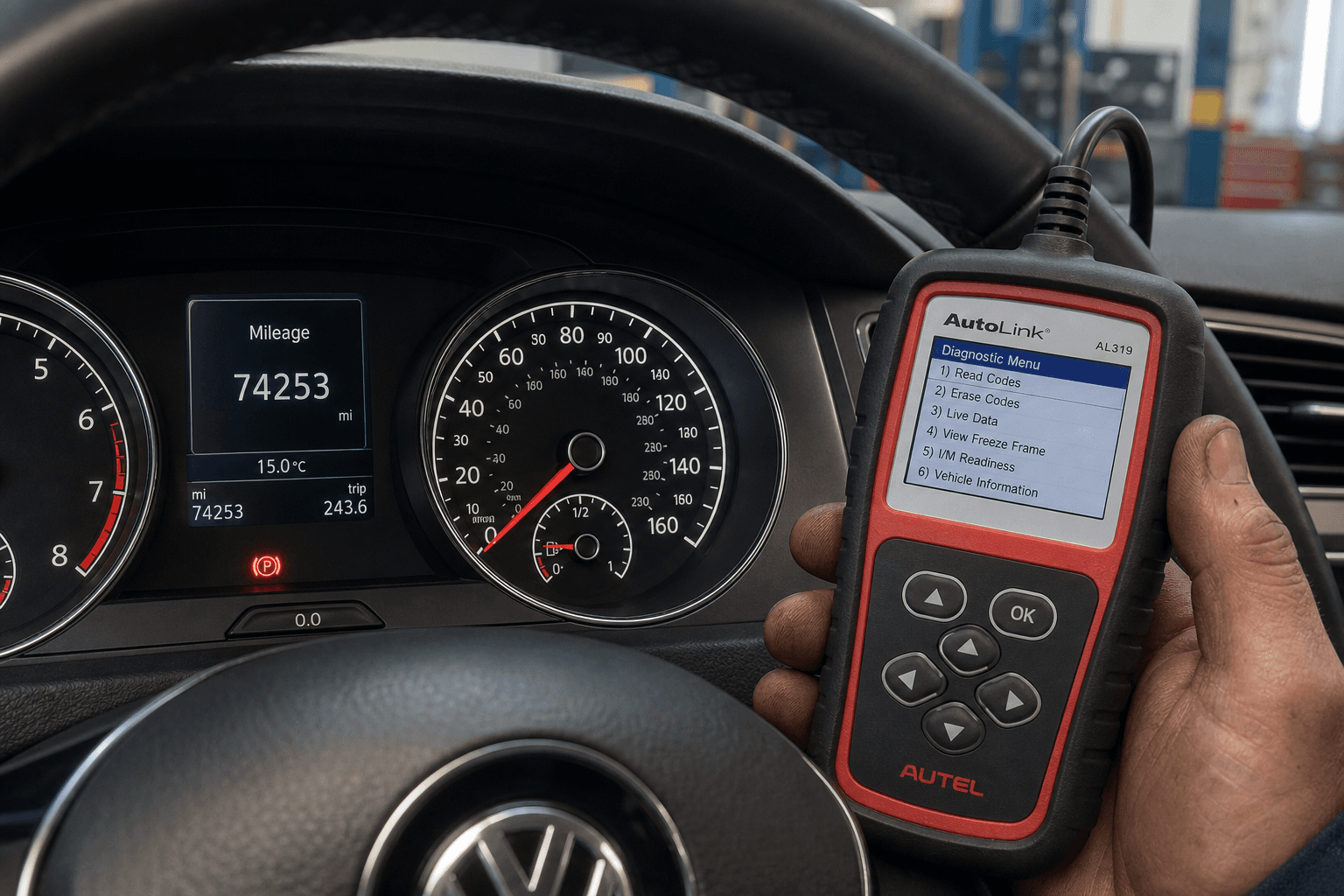
Clocking used to require physical access to the instrument cluster. Modern digital odometers changed that. Today, a laptop and cheap diagnostic software can reset or alter mileage figures in minutes. No disassembly required.
The typical process: a car with 120,000 miles on it gets clocked back to 40,000 or 50,000. The seller then prices it as a lower-mileage car, pockets a significant premium, and the buyer drives away thinking they have got a bargain.
High-mileage cars that are otherwise in good condition are the most common targets. A car with verified low mileage commands a noticeably higher price, which makes the fraud financially worthwhile.
What DVSA MOT Data Shows
Every car in the UK that has had an MOT has a mileage record at the DVSA. These records are publicly available through the government's check MOT history service. Each test shows the recorded mileage at the time.
A mileage check builds a timeline:
- 2018 MOT: 32,000 miles
- 2019 MOT: 44,000 miles
- 2020 MOT: 56,000 miles
- 2021 MOT: 71,000 miles
- 2022 MOT: 49,000 miles (drop, red flag)
That 2022 drop is not an error. It means someone altered the odometer between 2021 and 2022. The car's real mileage is at least 71,000. Whatever the dashboard now says, ignore it.
A full vehicle history check will flag that automatically. You would not need to manually spot it.
Why a Mileage Discrepancy Is a Serious Red Flag
A discrepancy does not just mean the seller is trying to squeeze more money out of you. It means:
- The seller has committed fraud
- The car's real wear and depreciation are higher than shown
- Engine, gearbox, suspension, and other components have done more work than the odometer suggests
- Servicing may have been skipped precisely because the car was always intended to be clocked and sold
In practical terms, a clocked car is more likely to develop faults sooner than a genuine low-mileage example. You pay a premium for something that has already done the miles. The components do not reset when the odometer does.
Gaps in the MOT Record
A car that has had consecutive annual MOTs gives you a full mileage trail. A car with gaps is harder to verify.
Gaps happen legitimately - cars get SORNed, owners delay testing, vehicles sit unused. But gaps also create windows where clocking can happen without a record. If a car has a two or three year gap in its MOT history and the mileage now seems suspiciously low, treat that as a warning sign.
What a Full History Check Adds
The DVSA MOT history is free to check yourself. What a full vehicle history check adds is:
- Automated mileage anomaly flagging - no need to manually compare each year
- Finance check - outstanding debt follows the car
- Write-off category check - Cat S, Cat N, Cat C, Cat D
- Stolen vehicle check
- Keeper history - how many previous owners and how long they kept it
A car with clean mileage but three previous keepers in 18 months still warrants caution. Context matters.
How to Protect Yourself
Before you view the car: run a full history check. Check the mileage trail yourself via the DVSA, and cross-reference with any service records the seller provides.
At the viewing: check the service book. Physical stamps with dates and recorded mileage should match the MOT history. Look at wear indicators - pedal rubbers, steering wheel wear, seat bolster wear. A car claiming 40,000 miles should look like a car with 40,000 miles.
Ask the seller directly: "Can you show me the service history and explain the mileage between MOTs?" Watch how they respond.
Useful Links
- Getting an MOT - GOV.UK - Official guidance on MOT tests, which record the mileage reading at every test
- Fraud Act 2006 - The legislation that makes odometer fraud a criminal offence
Run a full vehicle history check for £9.99. Mileage anomaly flag, finance, write-off category, stolen check, and keeper history. Know what you are buying before you buy it.
FAQ
What is a mileage check?
A mileage check is a review of a vehicle's recorded mileage over time, typically built from DVSA MOT test records. Each MOT records the odometer reading. A mileage check lines these readings up to show whether the car's mileage is consistent or has dropped between tests.
How do I know if a car has been clocked?
The most reliable way is to check the MOT history. If the mileage drops between two consecutive MOT tests, or jumps inconsistently, the car has almost certainly been clocked. A full vehicle history check will flag mileage anomalies automatically.
Is clocking a car illegal in the UK?
Yes. Deliberately altering an odometer to misrepresent a vehicle's mileage is fraud under the Fraud Act 2006. Selling a clocked car knowing the mileage is false is a criminal offence. Private sellers can face prosecution and civil liability.
Can a mileage check guarantee the car has not been clocked?
No check can be 100% certain, but a clean mileage history is a strong indicator. MOT data gives a paper trail. If a car skipped MOTs or had gaps, there is less data to work with. That is itself a reason to be cautious.