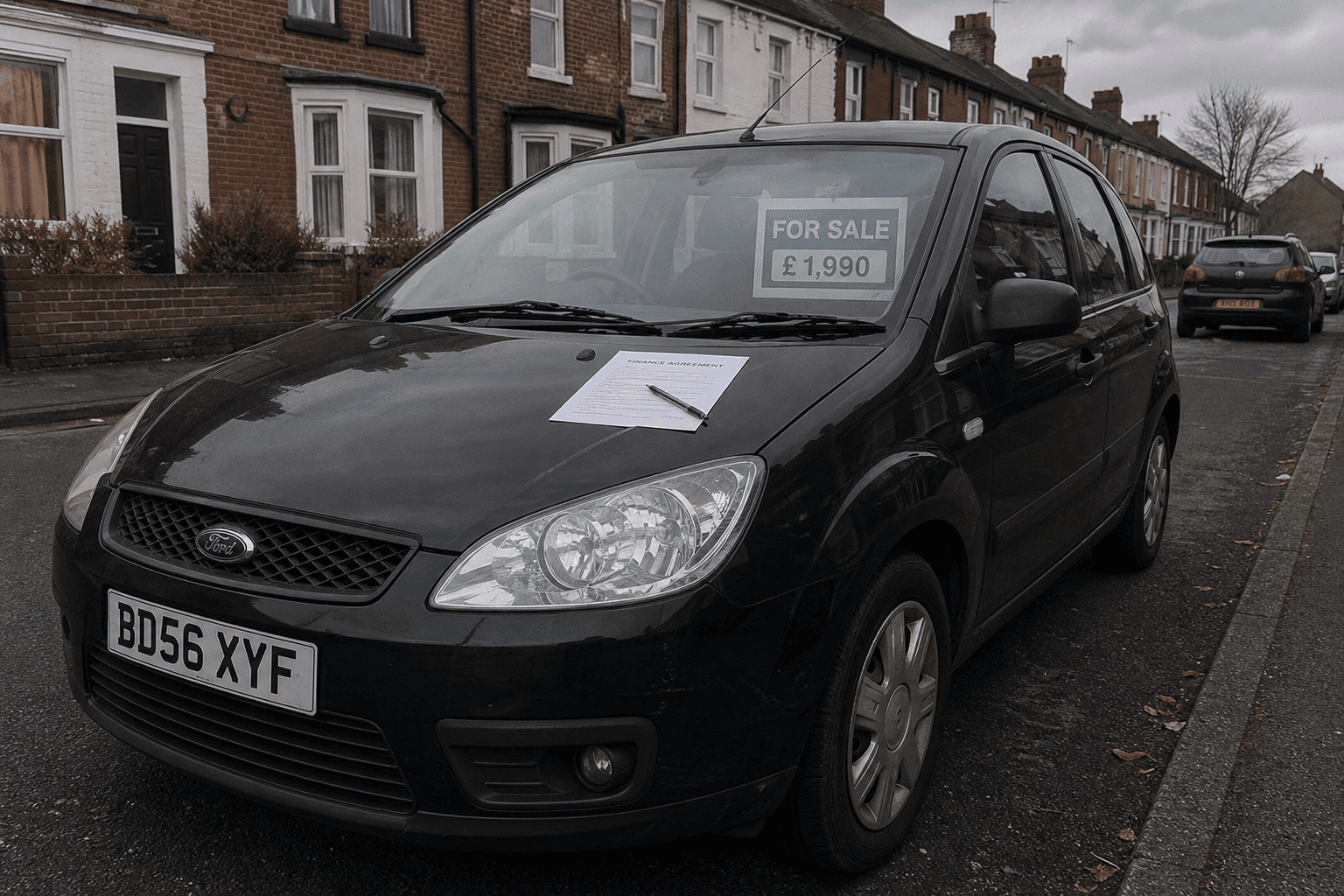
Outstanding finance is one of the biggest traps in the used car market. You buy a car with outstanding finance on it. You drive it home. A few months later, a recovery agent turns up on your driveway. The car gets taken. Your money is gone.
That is not a rare horror story. It happens every day in the UK.
What Is Outstanding Finance?
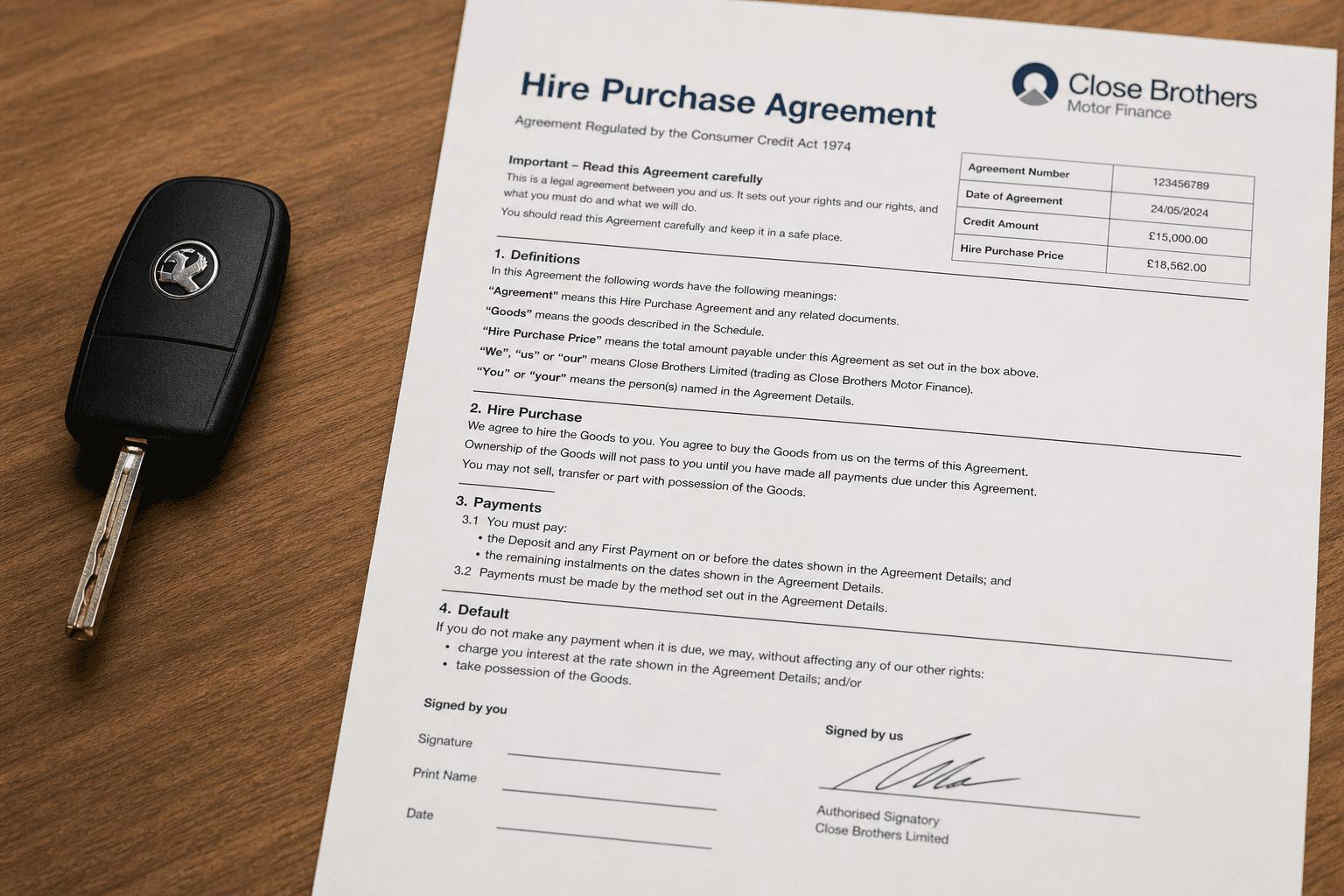
When someone buys a car on finance - hire purchase, PCP, a personal loan secured against the vehicle - the lender holds an interest in that car until the debt is cleared. The car is not fully the owner's to sell until the finance is settled.
If they sell it to you anyway, you are not automatically protected. The lender's claim takes priority.
The Legal Position
Under UK law, hire purchase and conditional sale agreements give the finance company ownership of the vehicle until the final payment is made. Selling a car under these agreements without the lender's consent is a criminal offence under the Theft Act 1968.
That does not help you get your money back, though. You are still the one left short.
Private sales carry zero protection here. If you buy from a dealer and they have good title, you are better placed - but private sales are where most dodgy deals happen.
How to Check for Outstanding Finance
The only reliable way is a proper vehicle history check. This searches databases held by the main finance lenders in the UK.
Look for a check that covers:
- Finance registers - the industry databases lenders report agreements to
- DVLA data - vehicle registration and keeper history
- Written confirmation - a certificate you can use if a dispute arises
A free DVLA check will tell you nothing about finance. Run a vehicle history check at Bad Drivers UK to search finance records properly before you buy.
A good check costs around £9.99. The car you are buying probably costs thousands. The maths is obvious.
Red Flags to Watch Before You Pay
Some warning signs do not need a database. Use your eyes.
The price is too good. If a two-year-old car is selling for well below market value, ask why. A seller desperate for quick cash could be trying to offload a car before a repossession order arrives.
They push for cash. Finance companies can track payments. Cash is harder to trace.
They cannot produce a V5C. A seller without the logbook may not be the registered keeper. That matters.
The V5C address does not match. Does the seller live at the address on the logbook? If not, find out why.
The seller says the finance is "nearly paid off". That is not your problem or your risk. If there is any balance, the lender still has a claim.
What to Do if Finance Shows Up
If a history check reveals outstanding finance, you have options.
First, do not buy the car as-is. Ask the seller to produce a settlement letter from the finance company. This shows the exact amount owed and can be used to arrange early repayment.
Some buyers agree to pay off the finance directly to the lender and deduct it from the purchase price. This is possible but complicated. Get everything in writing. Do not hand money to the seller and trust them to pay the lender.
If you are not comfortable handling that, walk away. There are other cars.
How to Protect Yourself After You Buy
If you bought a car in good faith and later discover outstanding finance, you may have protection under the Hire Purchase Act 1964. This applies specifically to private buyers - not dealers.
The key phrase is "bona fide purchaser for value without notice". It means you bought it in good faith, paid fair value, and did not know about the finance.
Even so, proving this takes time and stress. Prevention is far better.
FAQ
Can a finance company repossess a car I bought in good faith?
Yes. Under hire purchase and conditional sale agreements, the finance company retains an interest in the car until the debt is cleared. If the seller did not settle the finance before selling to you, the lender can repossess the vehicle regardless of what you paid.
Does a free DVLA check show outstanding finance?
No. The DVLA's free check shows basic registration details and MOT status only. To check for outstanding finance, you need a paid vehicle history check that searches the industry finance registers.
What should I do if a car has outstanding finance on it?
Ask the seller to provide a settlement letter from the finance company. If you proceed, pay the lender directly and only pay the seller the remaining balance after receiving written confirmation the finance is cleared.