Too many keepers in too short a time is one of the clearest warning signs on a used car. Knowing what car keeper history means - and what it hides - can save you from buying someone else's problem.
What Is a Car Keeper?
The registered keeper is the person or organisation recorded by the DVLA as responsible for taxing and licensing the vehicle. Every UK vehicle has a registered keeper on record.
The keeper is not the same as the owner. Ownership is a legal matter based on who paid for the vehicle and under what terms. The keeper is simply the person responsible for keeping the vehicle's records up to date with the DVLA.
A company fleet car, for example, may list the company as the registered keeper while an employee drives it every day. A car bought on hire purchase may list the buyer as keeper, but the finance company retains legal ownership until the final payment.
What the V5C Shows
The V5C logbook records:
- The current keeper's name and address
- The number of previous keepers
- The date each keeper was registered
It does not show the names or addresses of previous keepers. That information is not made public. What you get is a timeline of how many people have registered the car and when.
That timeline is more useful than most buyers realise.
Why Car Keeper History Matters
Frequent keeper changes can signal problems. A car that has had five keepers in four years has been passed on repeatedly. Sometimes this reflects normal trading by motor dealers. Sometimes it means each keeper discovered a problem and moved the car on quickly.
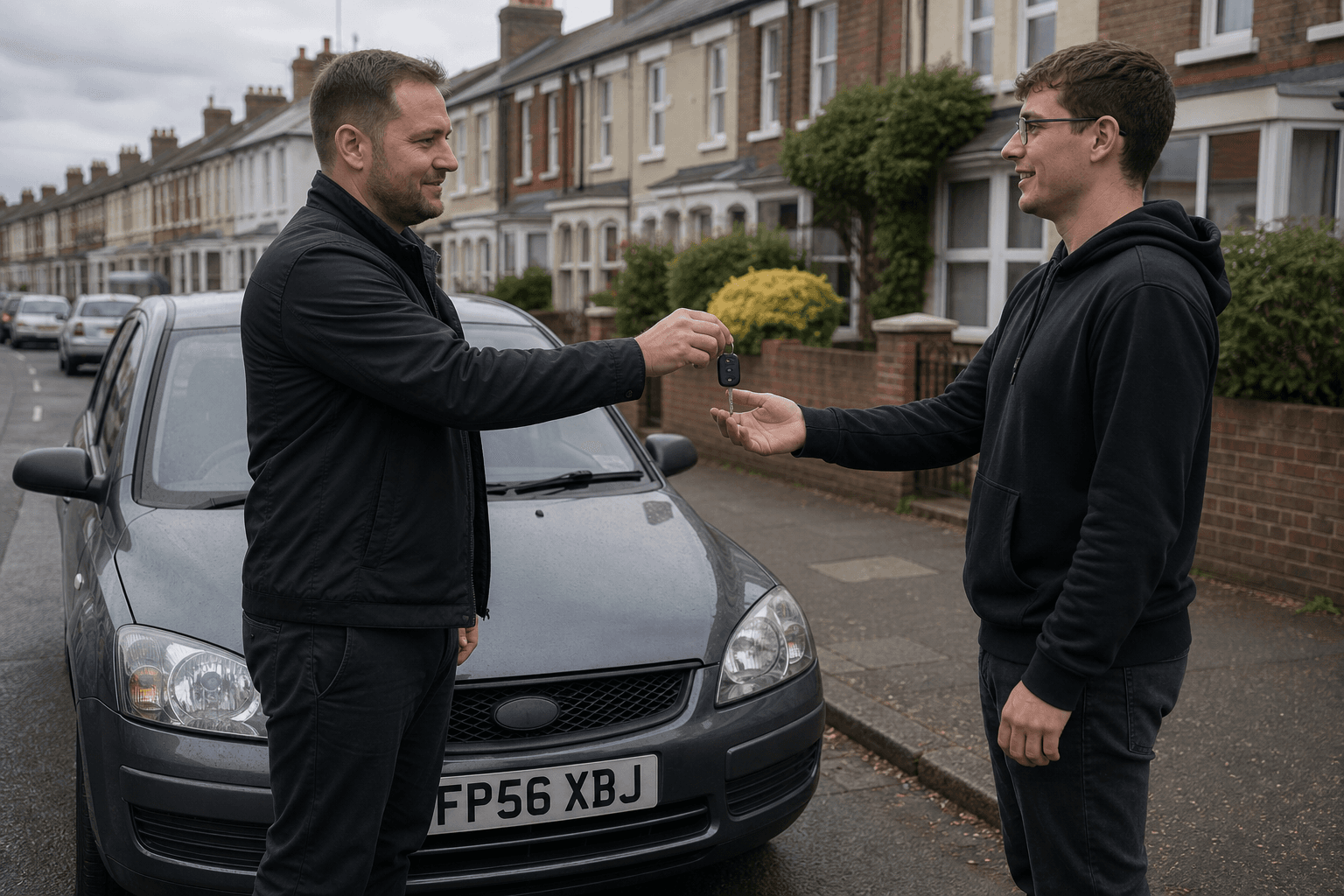
Recent keeper registration is a flag. If the current keeper only registered the vehicle in the last few weeks, and they are now selling, ask why. Legitimate sellers do this too - they bought it, it was not right for them, they are selling. But it is also what happens when someone clears finance fraud or moves a problematic car quickly.
Single keeper from new is reassuring. A car with one keeper from new is often low-risk. One person bought it, used it, maintained it, and is now selling. The history is accountable.
Company car history has implications. A car kept by a company often means it was driven by multiple people under a fleet maintenance schedule. Service history may be thorough, but usage may have been harder than the mileage suggests.
Keeper History and Mileage
Keeper changes and mileage work together. A car with six keepers and 40,000 miles on a ten-year-old vehicle may mean each keeper barely used it. A car with two keepers and 140,000 miles tells a different story.
Look at the MOT history alongside keeper changes. If a new keeper registered the car and then an MOT test was immediately taken out, the mileage recorded on that test gives you a calibration point.
Run a full vehicle history check at check.bad-drivers.uk to see keeper history, MOT mileage progression, and whether the mileage is consistent across all recorded tests.
When the V5C Keeper Does Not Match the Seller
The seller should be the current registered keeper on the V5C. If they are not, you need a clear explanation before you proceed.
Legitimate reasons why the keeper and seller might differ:
- The car is owned by a dealer who has not yet registered it in their name
- The car is being sold on behalf of a keeper who cannot attend
- The car was recently inherited
In all of these cases, get documentation. A deceased keeper requires probate evidence. A dealer not on the V5C is unusual and should be queried. A seller acting on behalf of someone else should have written authority.
If none of this stacks up, walk away.
Plate Changes and Keeper History
Some vehicles have had their registration plate changed. A personalised plate is added, then transferred off to another car or a plate certificate when the car is sold. This can make the vehicle's history harder to trace on a registration search.
A full history check searches previous registration numbers as well as the current one. If the car has had a plate change, that will show in the check, and the history under both plates is combined.
What to Ask the Seller About Keeper History
Before buying, ask the seller directly:
- How long have you owned this car?
- Have you used it as a main vehicle or just occasionally?
- Why are you selling it?
- Do you have the full service history?
Inconsistencies between their answers and what the history check shows are a serious warning sign.
FAQ
What is a registered keeper?
The registered keeper is the person or organisation recorded by the DVLA as responsible for taxing and licensing the vehicle. The keeper is not necessarily the legal owner. A fleet company may be the keeper while an employee drives the car.
How many keepers is too many on a used car?
There is no fixed rule. Three or four keepers over ten years is unremarkable. Five or more keepers in three years is unusual and needs an explanation. A single keeper from new is a positive sign.
Does keeper history show names and addresses?
No. The V5C shows only the number of previous keepers and the date each one registered the vehicle. Names and addresses of past keepers are not disclosed. A history check will confirm keeper count and change dates.
Useful Links
- Run a full vehicle check - Bad Drivers UK - See keeper history, mileage progression, finance and write-off records
- Buying a used car - Citizens Advice - Your legal rights as a private buyer
- Apply for a replacement V5C - GOV.UK - Form V62 if the logbook is missing