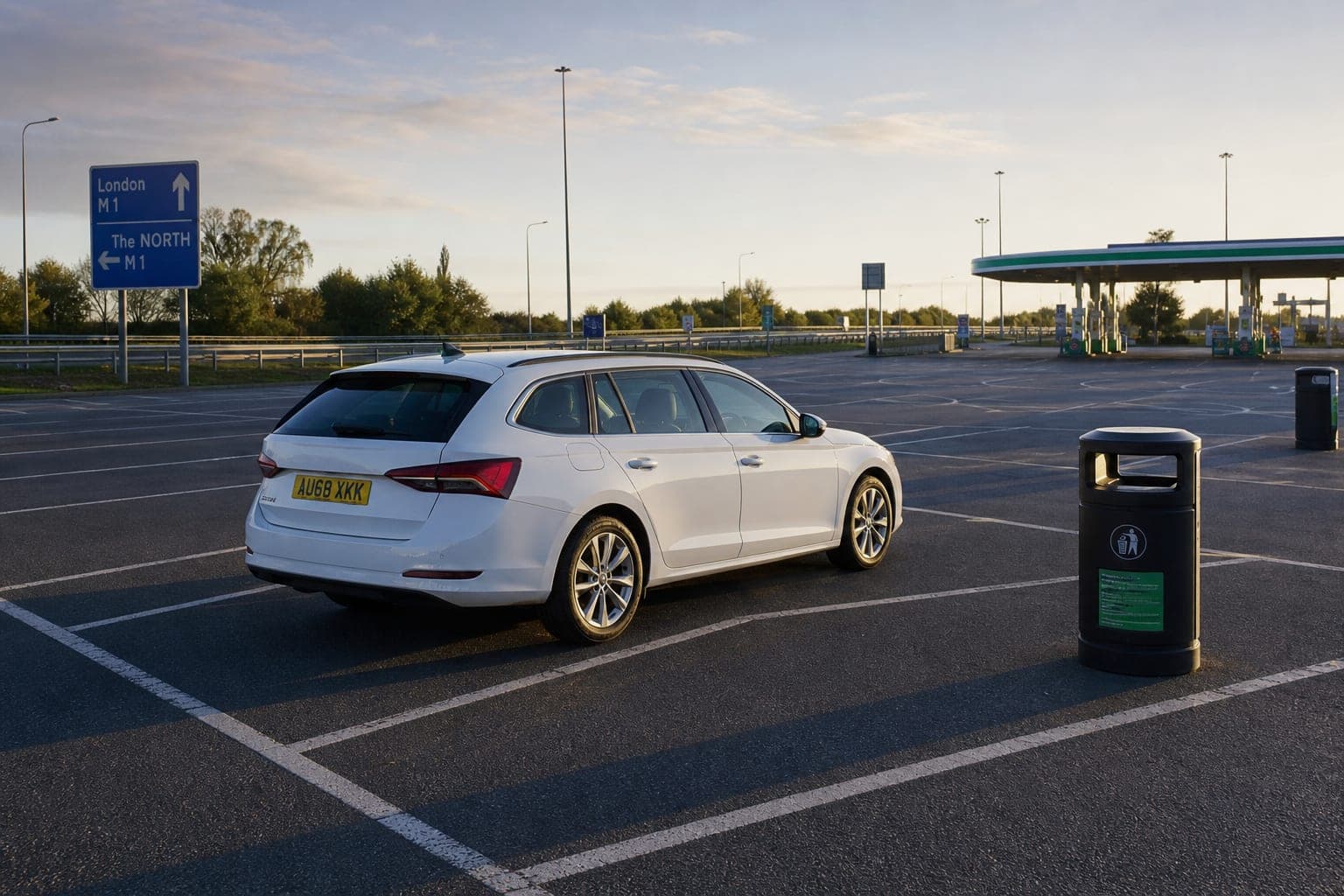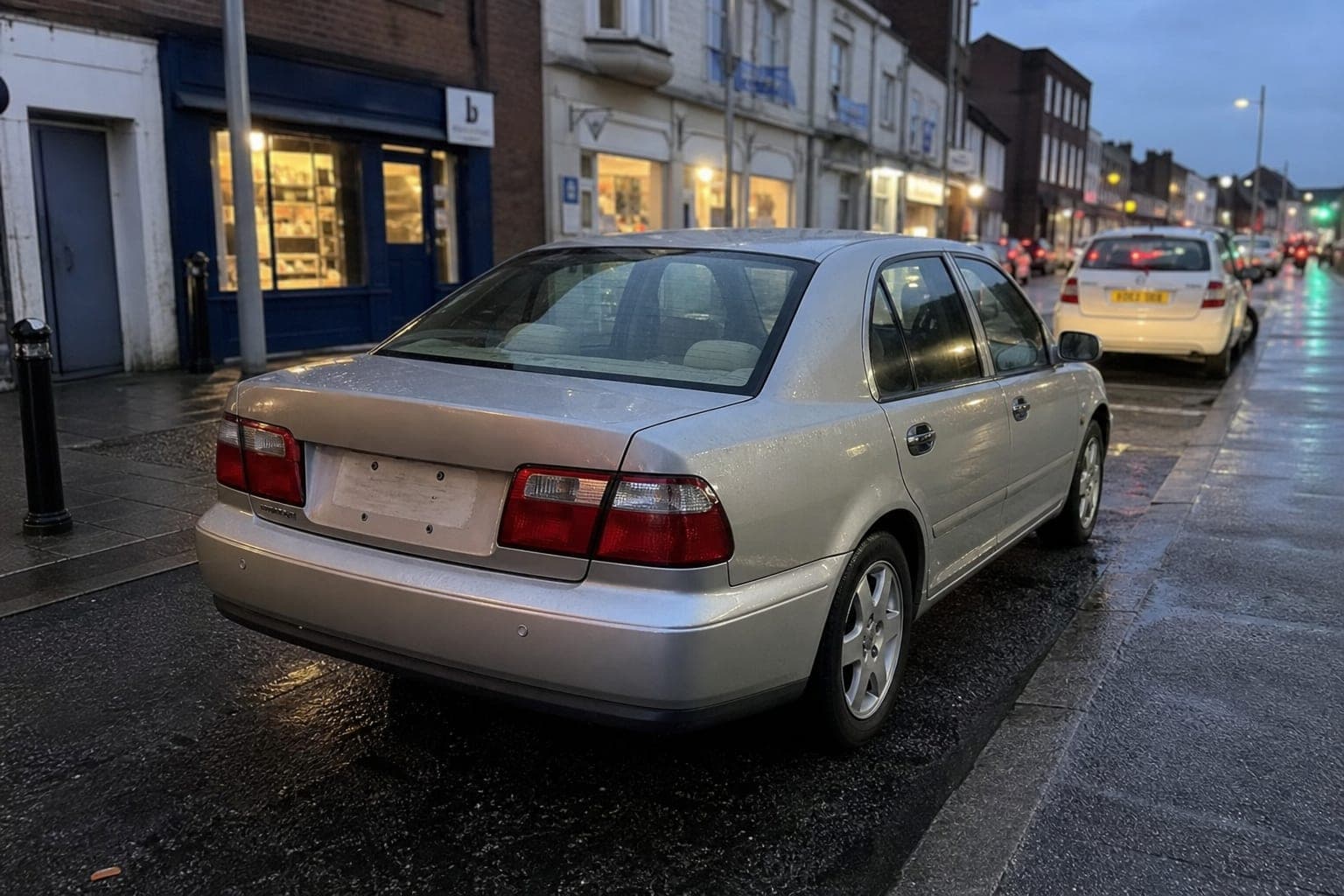
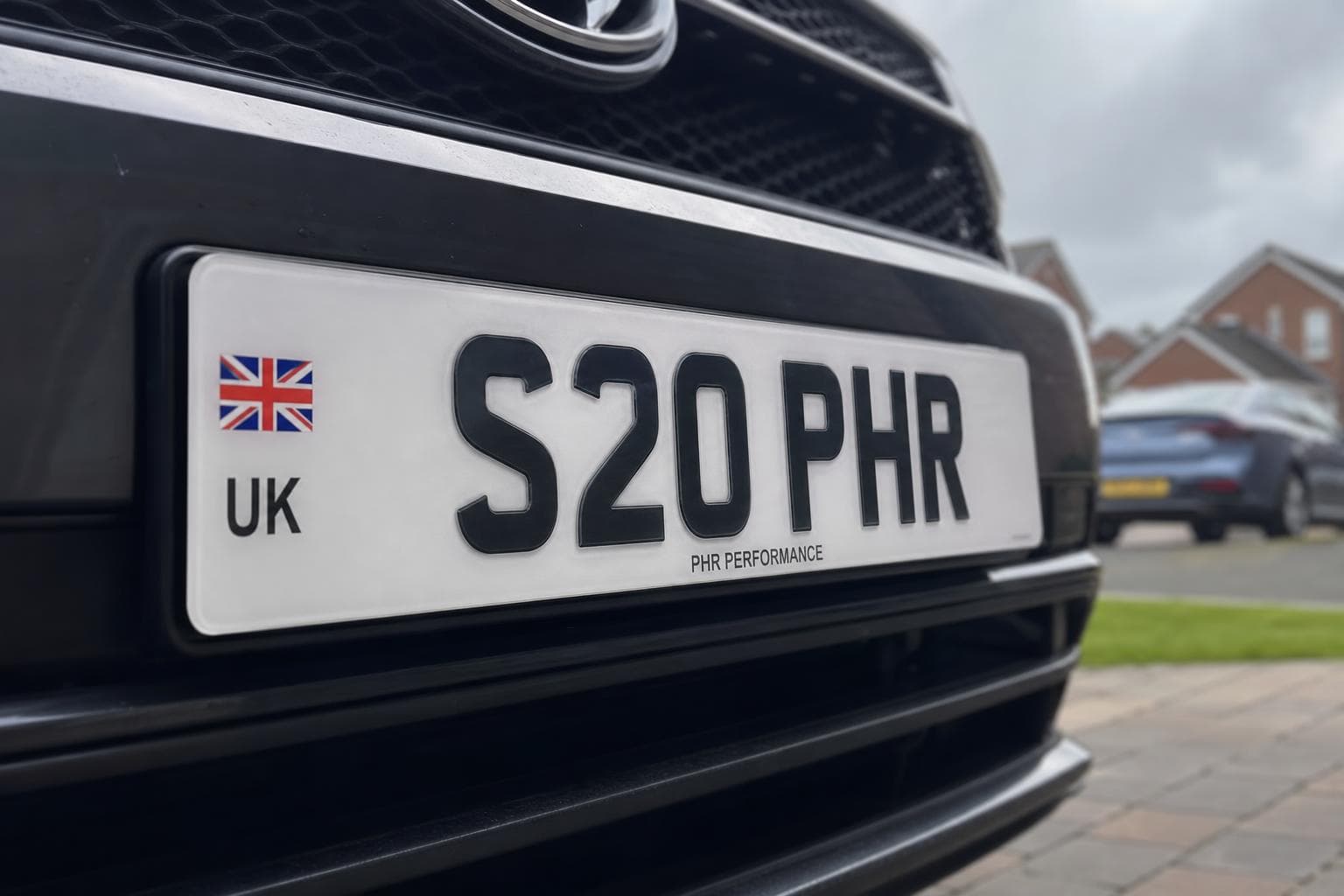
A cherished plate is a personalised registration - one that has been bought and transferred onto a vehicle. They are legal and common. But they can hide information a buyer needs to know.
What a Cherished Plate Is
Standard UK registrations encode the year of manufacture in two digits (for example, 24 for a car first registered in 2024). Personalised registrations do not follow this format. They can be dateless (like A1 ABC), prefix style (like A123 BCD), or suffix style (like ABC 123A).
The owner buys the right to use a registration number and transfers it onto their vehicle. The car's identity in DVLA records switches to the new number. The original registration is retained on a retention certificate or can be assigned to another vehicle.
Why This Matters When Buying Used
The plate itself tells you nothing about the car's age. A 2005 car with a dateless cherished plate looks indeterminate. Buyers unfamiliar with the system may not realise this.
More significantly, MOT records, service history stamps, and older vehicle checks may be linked to the original registration, not the current one. If the plate was changed five years ago, the first five years of that car's history may not be easy to find under the current plate.
What to Check When a Car Has a Personalised Plate
Verify the age from the V5C directly. The date of first registration is always recorded on the V5C regardless of what plate is fitted. Check it matches what the seller told you.
Check the VIN. The VIN does not change when a plate is transferred. A history check that searches by VIN will find records regardless of what registration number is currently showing.
Ask about the original plate. The V5C may reference previous registrations. If the seller has the retention certificate for the original plate, the history trail is easier to reconstruct.
Check MOT history. The DVSA MOT history shows records by registration but also by VIN on request. If there are gaps in the MOT history under the current plate, ask whether earlier tests were carried out under a different number.
Is a Cherished Plate a Red Flag?
Not by itself. Millions of cars legitimately carry personalised registrations and have clean histories.
It becomes a red flag when combined with other issues: vague service history, a seller who is evasive about the car's age, or a gap in the recorded MOT history that does not correspond to a SORN period.
A history check at check.bad-drivers.uk searches by both registration and VIN, which gives the most complete picture when a plate transfer has occurred.
Useful Links
- DVLA number plate transfers - GOV.UK - How transfers work officially
- Run a full vehicle check - Bad Drivers UK - MOT history, plate changes and VIN-based records for cars with private plates
- Citizens Advice - buying a used car - General rights when buying used