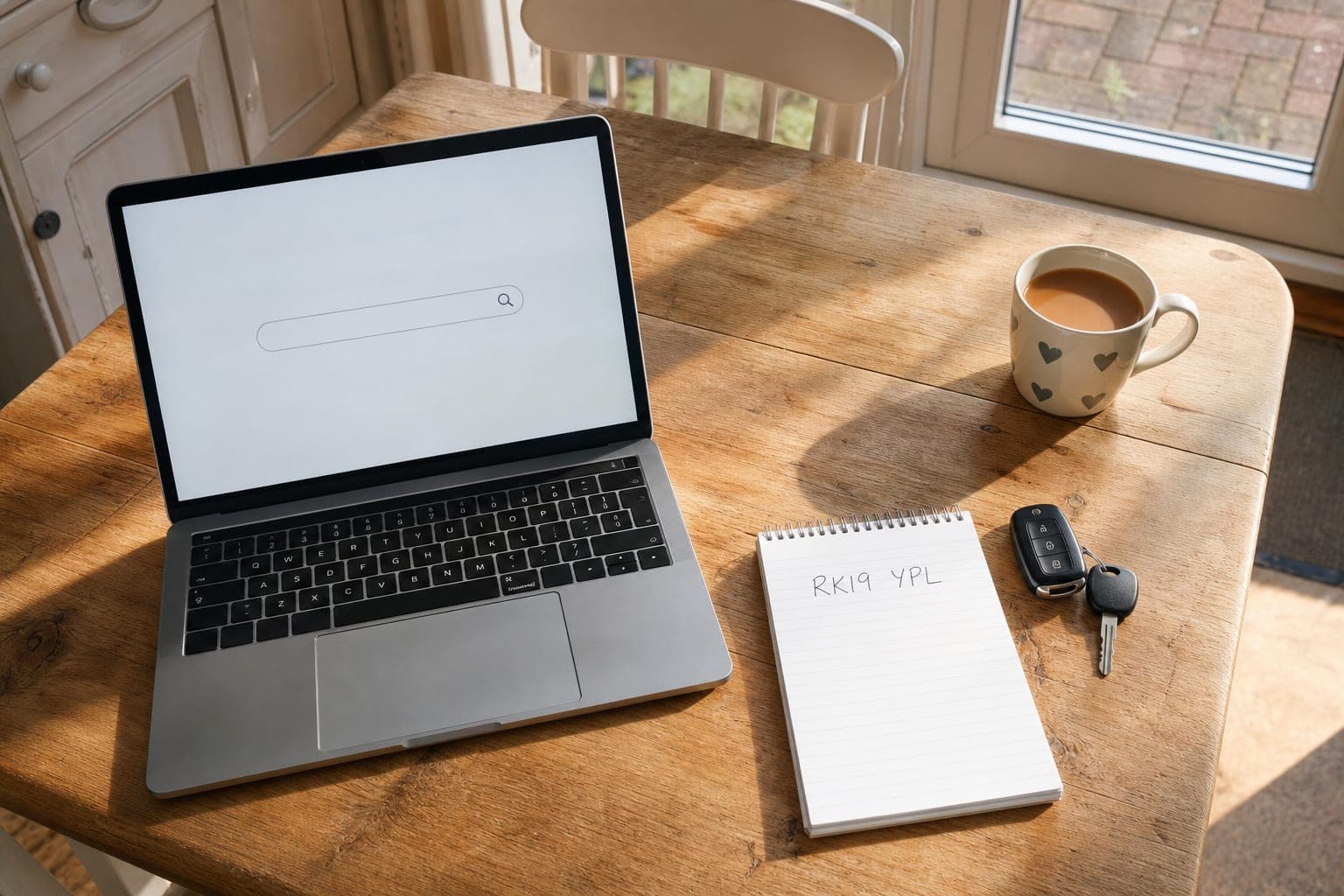
HPI stands for Hire Purchase Information, and HPI and HPI Check are registered trademarks of HPI Limited, who are not connected with Bad Drivers UK. The name comes from the original purpose, checking whether a car had outstanding hire purchase finance on it. In everyday speech the term is now used loosely for any vehicle history check covering the standard databases.
If someone tells you to do an HPI check before buying a car, what they mean is that you should pay for a proper vehicle history check rather than relying on the free data alone. Whichever provider you use, run one before you commit to any used car purchase.
What Does an HPI Check Cover?
A proper vehicle history check should cover:
Finance register. Checks whether the car has outstanding finance from any major UK lender. If finance shows up, the lender's claim takes priority over yours.
Stolen vehicle register. Searches the Police National Computer. If the car is stolen, you cannot keep it even if you bought it in good faith.
Write-off register. Shows if the car has been declared a total loss by an insurer. This includes the category (Cat S or Cat N for repairable write-offs, Cat A and Cat B for unsalvageable vehicles).
Mileage data. Cross-references mileages recorded at MOT tests and finance applications to identify potential clocking.
Number of previous keepers. How many owners the car has had.
Plate changes. Whether the registration number has been changed. Plate changes can be used to obscure a vehicle's history.
MOT history. Full pass/fail history with mileages.
DVLA data. Registration, make, model, colour, and engine size as registered - useful for confirming the car matches what you are being shown.
What Does It Not Cover?
An HPI check does not:
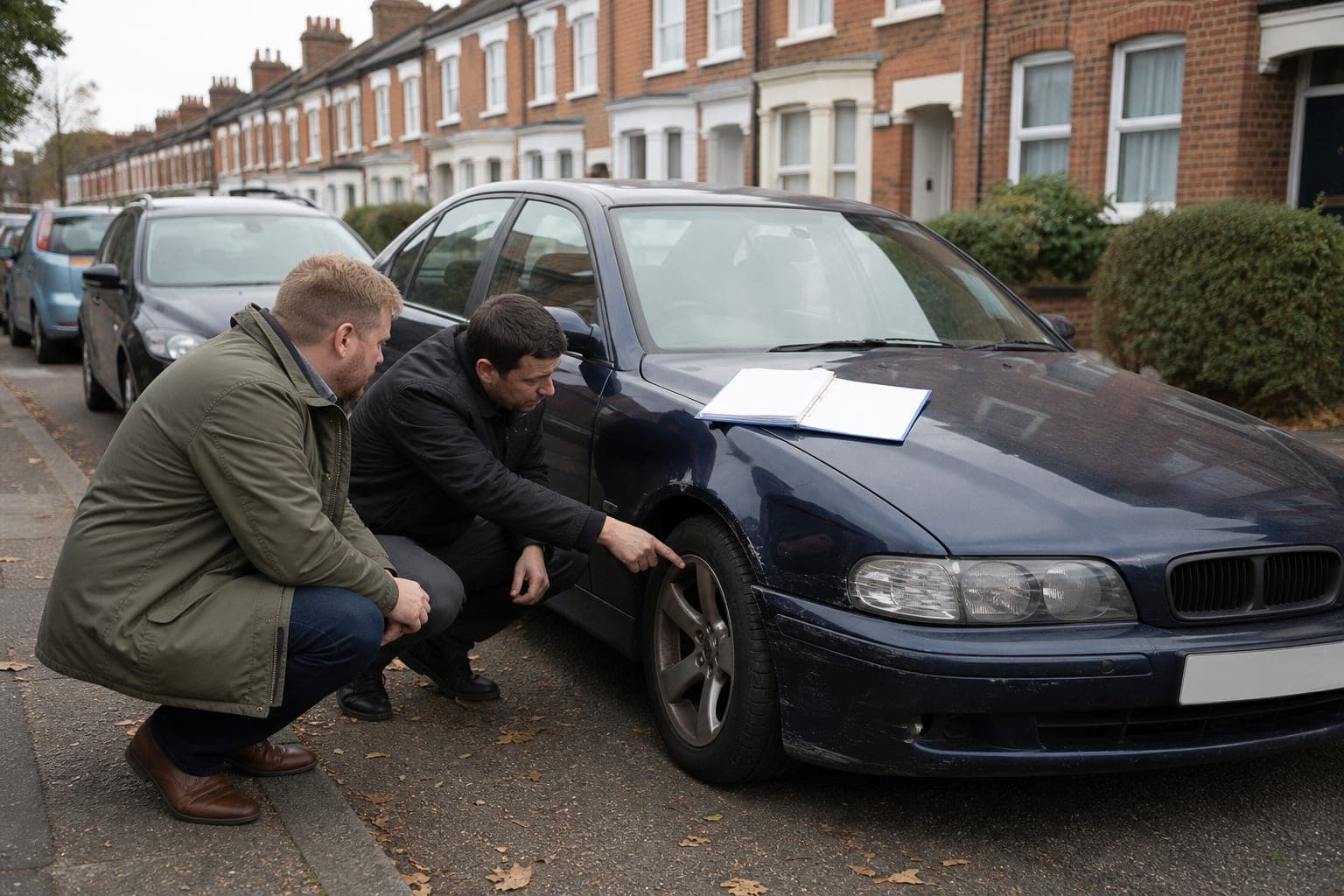
- Tell you the physical condition of the car
- Identify mechanical problems
- Guarantee there is no outstanding finance from smaller lenders not on the main register
- Confirm the repairs on a write-off were done properly
It is a database check. It tells you what is on record. If something was never recorded, it will not show up.
Do You Need One?
Yes. Full stop.
The question is sometimes framed as whether you can skip it if the car seems genuine or if you trust the seller. The answer is still yes - you need one.
Sellers are not always aware of a car's full history. A car could have been stolen before they bought it. Finance could have been taken out before they were the owner. A write-off could have been repaired and the history never disclosed to them.
And of course, some sellers know exactly what they are hiding.
A history check costs less than £10. You are probably spending thousands. There is no logical reason to skip it.
Free Checks vs Paid Checks
Free checks exist. The DVLA offers a free enquiry service that tells you the make, model, colour, tax status, and MOT expiry.
That is useful but very limited. It does not cover finance, stolen checks, or write-off data.
For a complete picture, you need a paid check. The difference in what you learn is significant, and the cost difference is minimal.
When to Run the Check
Before you view the car. Not after you have driven it and fallen in love with it.
Running the check before you travel means you do not waste time on cars with problems. It also means you go into the viewing with full information, which puts you in a stronger negotiating position.
What to Do With the Results
If the check shows finance, a stolen marker, or a Cat A or Cat B write-off, do not buy the car.
If it shows a Cat S or Cat N write-off, decide whether the price reflects that and whether you want to proceed with further inspection.
If it shows a plate change, ask the seller about it and investigate why.
If everything is clean, proceed with the physical inspection and your normal pre-purchase checks.
FAQ
Is an HPI check the same as a vehicle history check?
HPI and HPI Check are registered trademarks of HPI Limited. In everyday speech people often use the term loosely for any comprehensive vehicle history check covering the main databases: finance, stolen, write-off, mileage, and keeper history. Other companies, including this one, provide their own separate vehicle history checks.
When should I run an HPI check?
Before you view the car. Not after you have driven it and decided you want it. Running the check first means you do not waste a trip on a car with problems, and you go into the viewing with full information.
Does an HPI check guarantee a car has no outstanding finance?
No. A check of this kind searches the main registered lender databases. However, very small private lenders or informal arrangements may not be registered. A clean result significantly reduces risk but is not an absolute guarantee.