There is no magic number. Three previous owners is not automatically bad. One owner is not automatically good. What matters is how long each keeper owned the car and whether the history makes sense.
Here is how to think about it properly.
What the V5C Actually Shows
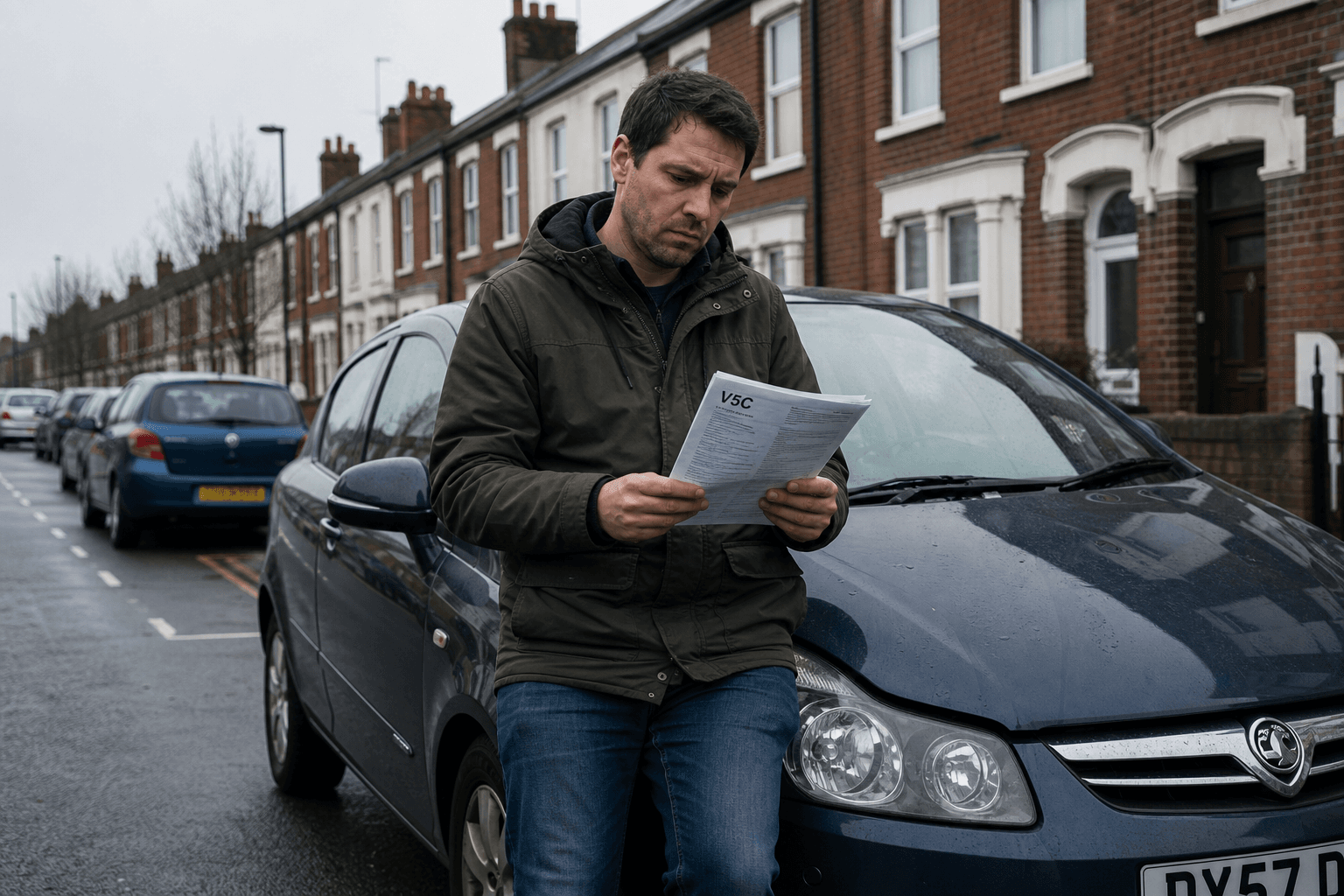
The V5C logbook shows the number of registered keepers - people or companies who have been the registered keeper of the vehicle. This is not the same as owners.
A finance company might be the registered keeper while the driver is listed separately. A leasing company owns the car but a business uses it. A dealer takes a car in, stores it for three months, then sells it - adding another keeper entry.
High keeper numbers from fleet or lease backgrounds are normal. High keeper numbers from multiple private individuals who each kept the car for six months are more concerning.
How to Read Keeper History
Context matters. Ask:
- How long did each keeper own the car?
- What type of keeper were they - private, fleet, dealer?
- Is there a gap in the history?
A car that has had four previous owners over ten years, each holding it for two or more years, has a perfectly reasonable history. A car that has had five keepers in three years has been passed around, and you should find out why.
Run a vehicle history check to see the full keeper timeline before you commit to buying.
Short Keeper Periods as a Warning Sign
When a car changes hands every few months, something is usually wrong.
Common reasons:
- Known mechanical problems being passed on
- Bad buying decision followed by a quick exit
- Someone flipping repaired write-offs
- The car is not as described
If the last three keepers each had the car for less than six months, that pattern deserves an explanation.
First Registration to First Keeper
Check when the car was first registered and when the first private keeper registered it. If it was a fleet car for several years, there will be a gap. That is normal.
If there is a gap of a year or more with no keeper history and no fleet registration, find out why. Was it in storage? Was it being repaired? Was it used as an unregistered demo?
High Mileage Versus High Keepers
A car with three keepers and 150,000 miles might be fine. A car with one keeper and 150,000 miles might also be fine. Mileage and keepers together tell more of a story than either alone.
A high keeper count with low mileage can be suspicious - it could mean clocking, or it could simply mean a car that has been used very lightly by each person.
What Is Normal?
A rough guide for a ten-year-old car:
- One to three keepers: low, could mean long-term ownership or light use
- Three to five keepers: normal
- Six or more keepers: worth investigating
Newer cars with high keeper counts are more suspicious than older cars. A five-year-old car with six keepers has been moving around fast.
FAQ
What does the V5C show about previous owners?
The V5C shows the number of registered keepers, not legal owners. A fleet company might be the keeper while a business uses the car. A leasing firm might be the keeper while an individual drives it. The keeper count and ownership count are often different.
Is a car with one previous owner always better?
Not necessarily. A single keeper who neglected maintenance is worse than three careful previous owners with documented service history. One owner with a car that has never been serviced is a worse buy than three owners with a full service book.
How do I check how many previous owners a car has had?
The V5C logbook shows the number of previous keepers. A vehicle history check will also show the keeper timeline, including when ownership changed and the type of keeper involved, which helps you judge whether the history is normal or suspicious.