A penalty charge notice lands on your doormat for a bus lane in a city you have never driven in. Then another, for a ULEZ charge on a day your car never left the driveway. You have not done anything wrong. Someone wearing your number plate has, and as far as every camera in the country is concerned, they are you.
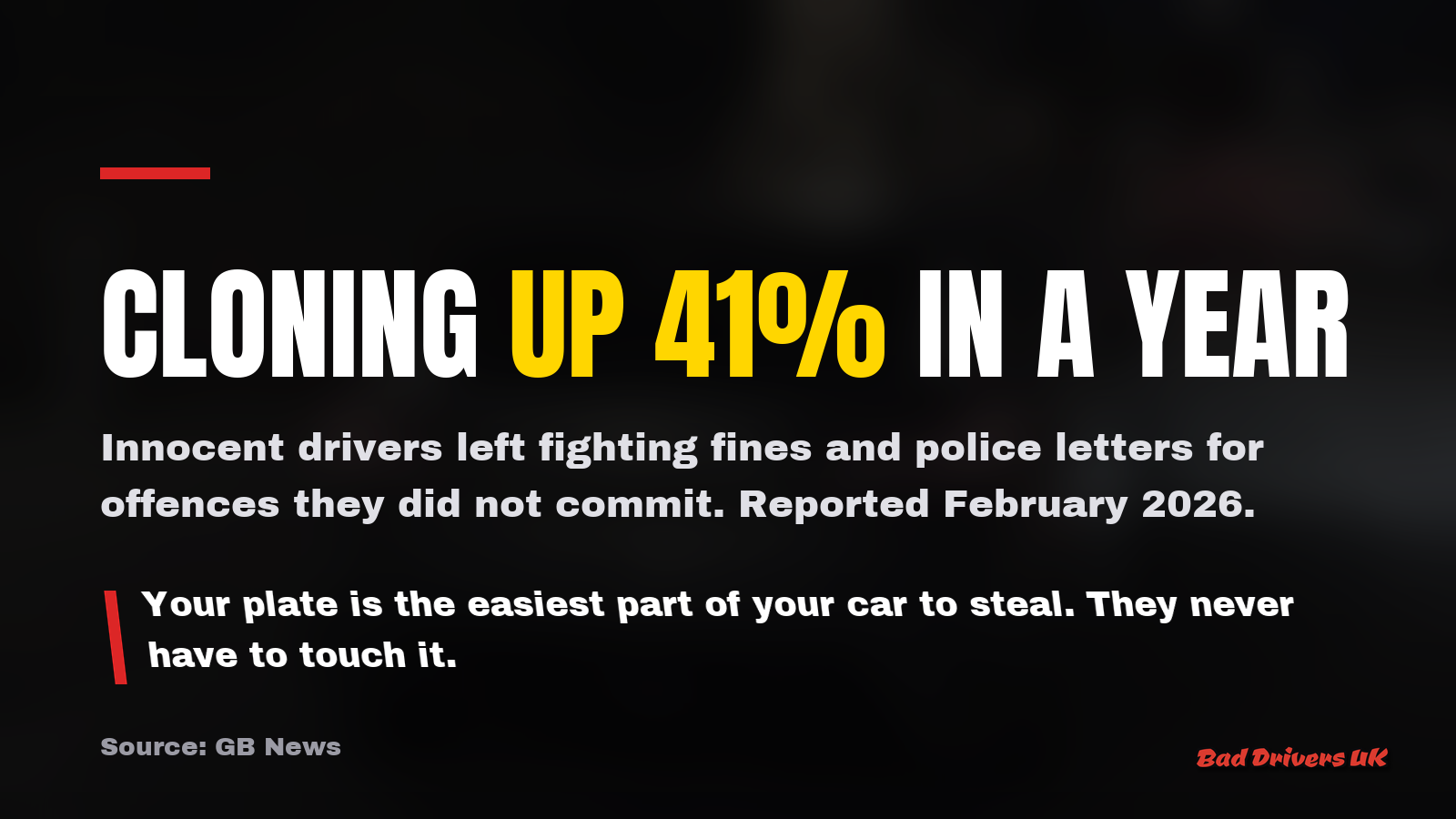
That is car cloning, and it is growing fast. Cloning reports rose 41 per cent in a single year according to figures reported by GB News in February 2026, and the paper trail it leaves lands on people who did nothing to deserve it.
How Car Cloning Works
The mechanics are miserable in their simplicity. A criminal finds a car like theirs, same make, model, ideally same colour, and copies its registration. Sometimes they steal the physical plates off the donor car. More often they just have a copy printed, because the details were sitting in plain sight.
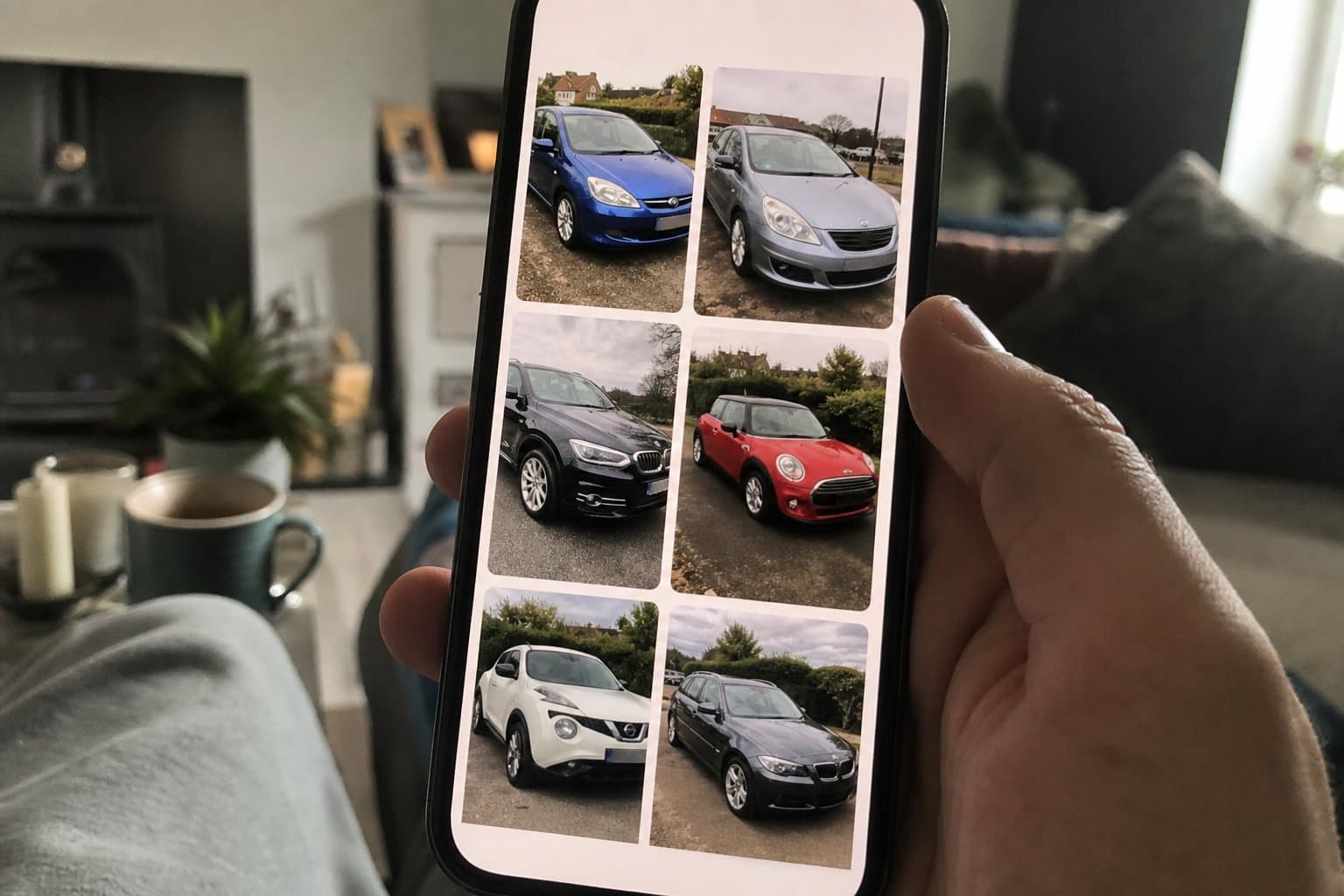
Where do they get those details? Increasingly, from sale adverts. A car listed online with clear photos of the plate and a rough location hands a cloner everything needed to mint a twin. Billy Billingham, the former special forces soldier working with BigWantsYourCar.com on vehicle crime awareness, made the point plainly in the GB News piece: people do not realise how much information they give away when listing a car online.
The clone is then driven by someone who has every reason to avoid being identified. Speeding, tolls, parking, ULEZ charges, fuel drive-offs, sometimes far worse. The cameras read the plate, the plate points at you.
The 857% Fine Wave
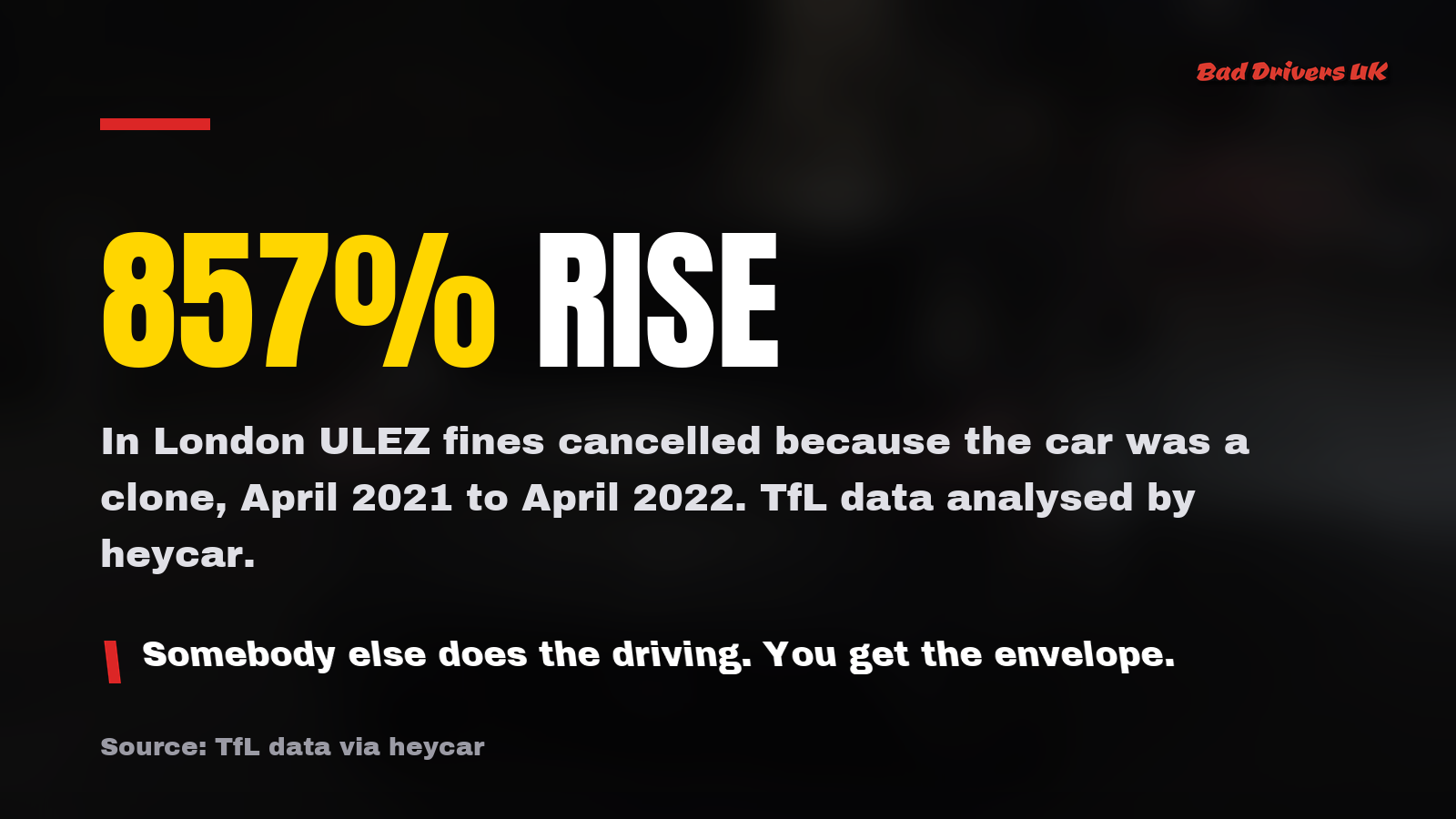
The clearest data on the scale of it came from heycar, which analysed previously unpublished Transport for London figures on ULEZ penalty notices cancelled because the vehicle turned out to be a clone.
Comparing April 2021 with April 2022, those cancellations rose 857 per cent. Since the ULEZ expanded in October 2021, clone-related cancellations were up 631 per cent. Each ULEZ penalty is £160, cut to £80 if you pay quickly, which is exactly what a lot of frightened people do.
And remember what that figure counts: only the victims who successfully proved their innocence. heycar's consumer editor Sarah Tooze called the numbers "the tip of the iceberg", because plenty of victims cannot produce the evidence TfL demands, and plenty more pay up just to make the letters stop. One London victim described in the FleetNews report, a 72 year old man, faced six penalty notices worth up to £1,070 and spent six months appealing, despite having flight records proving he was not even in the country for one of the alleged offences.
There are no official national cloning statistics. The DVLA does not publish them. What we can see is the shadow the crime casts on penalty appeals, and that shadow is getting longer. The problem has reached Parliament: one MP told a recent debate that cameras undermined by cloning are "a failure of public protection", and the transport minister has said tougher oversight of number plate suppliers is under consideration.
Two Kinds of Victim
Cloning hurts twice, and it is worth being clear about both.
The keeper of the real car gets the fines, the bailiff letters and, in the worst cases, a knock from the police about an offence committed 200 miles away. Everything must be appealed, evidenced and chased, penalty by penalty, while the clone keeps driving.
The buyer of the cloned car loses everything. A cloned vehicle is usually a stolen one wearing a stolen identity, and when it is identified, it goes back to its rightful owner or the insurer. The buyer keeps nothing except the hole in their bank account. Our guide to spotting a cloned car covers the tells in detail, and our explainer on vehicle identity checks shows how a car's paper identity is verified against the metal.
Protecting Yourself, Both Ways
If you own a car:
- Never show your plate in an advert. Blur it or angle the photos. A listing with a clear plate, a postcode and a "parked on the drive" shot is a cloning starter kit.
- Make the plates hard to take. Anti-theft screws cost a few pounds. Lit, covered or busy parking makes both theft and leisurely photography harder.
- Treat the first strange fine as a fire alarm. Appeal with evidence, report to the police for a crime reference number, and notify the DVLA. Do not pay a penalty for an offence that was not yours just to end the stress, paying looks like acceptance and the next fine is already in the post.
If you are buying:
- Match every identity marker. VIN on the dash, VIN in the door frame, plates, V5C, and the seller's address on the logbook. One mismatch ends the deal.
- Distrust the bargain. Clones are priced to move fast, and the seller wants cash and a quick goodbye.
- Run an independent history check before you view. A clone borrows a clean car's identity, but the details rarely line up perfectly under scrutiny: the specification, colour or history that comes back often does not match the car in front of you. That mismatch is the whole game.
Cloning is rising because it works and because the person who pays for it is almost never the person doing it. Make your plate boring to steal and your money hard to take, and let the cloners pick on someone easier.
Useful Links
- Displaying number plates - GOV.UK - The legal requirements for number plates, including rules for suppliers
- Vehicle log book (V5C) - GOV.UK - Why the logbook must match the vehicle and seller in front of you
- Consumer protection rights - GOV.UK - Your rights if you unknowingly bought a misrepresented vehicle
FAQ
What is car cloning?
Car cloning is when criminals copy a legitimate vehicle's registration and put it on another car, usually the same make, model and colour. The clone then racks up speeding tickets, tolls, ULEZ charges or worse, and every penalty lands on the innocent registered keeper of the real car.
How do criminals get my number plate?
Mostly from photos. Cars listed for sale online with clear plate shots and a location give a cloner everything they need. Plates can also be physically stolen from parked cars, or copied and printed by rogue suppliers who skip the paperwork checks.
What should I do if I get a fine for somewhere I have never been?
Do not just pay it. Appeal immediately with evidence your car was elsewhere, dashcam footage, receipts, work records. Report the cloning to the police and get a crime reference number, tell the DVLA, and keep copies of everything. One clone fine is rarely the last, so the paper trail matters.
Can I avoid buying a cloned car?
Check that the VIN on the dashboard and door frame matches the V5C, that the plates match the logbook, and that the seller's address matches the V5C address. A cloned car is often priced temptingly and sold fast with cash pressure. If the identity does not stack up in every place it appears, walk away.
How do I protect my own car from cloning?
Blur or hide your plates in any online advert, fit anti-theft plate screws, and park somewhere lit or covered where plates cannot be quietly removed or photographed at leisure. None of this makes cloning impossible, but cloners pick easy targets.