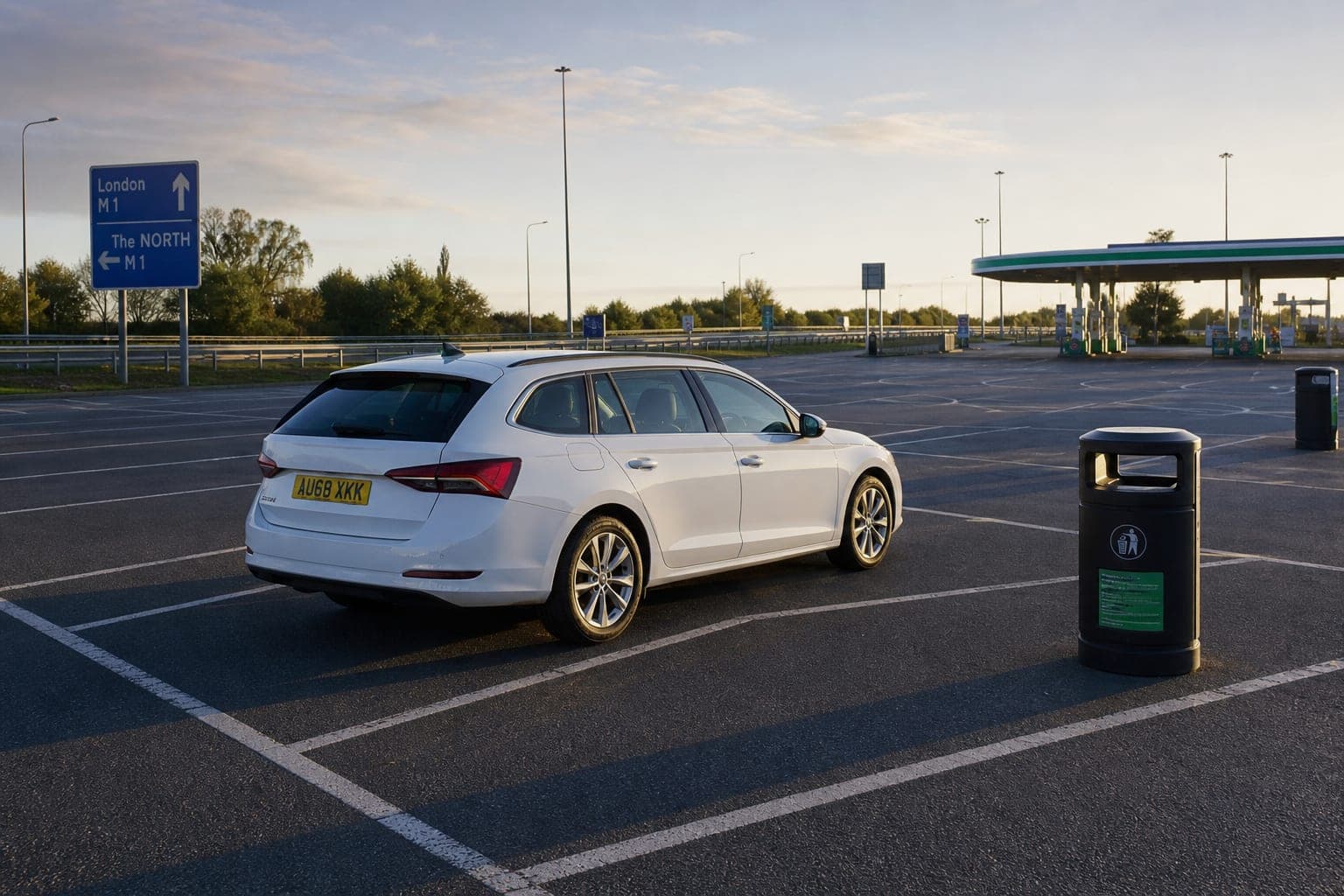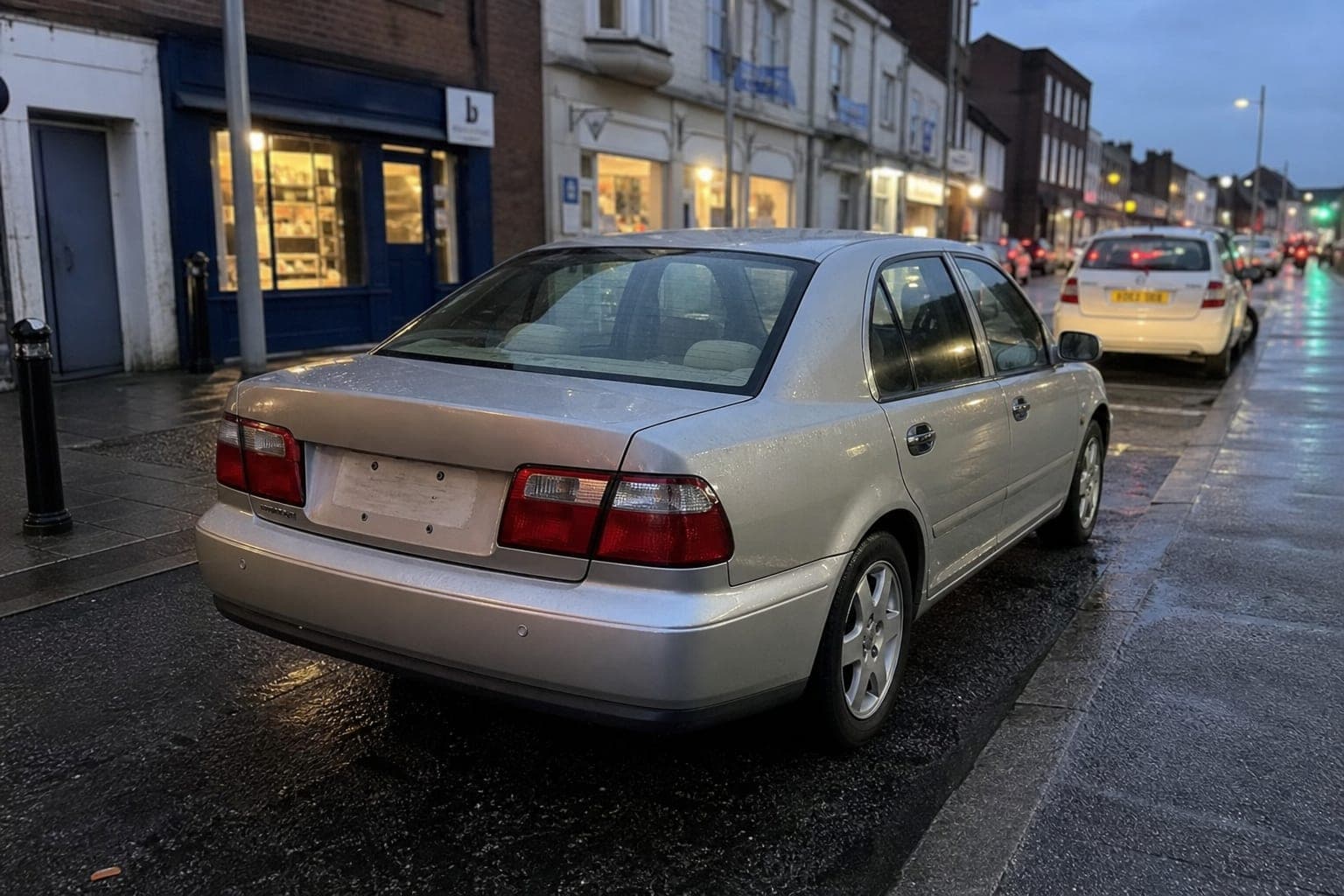
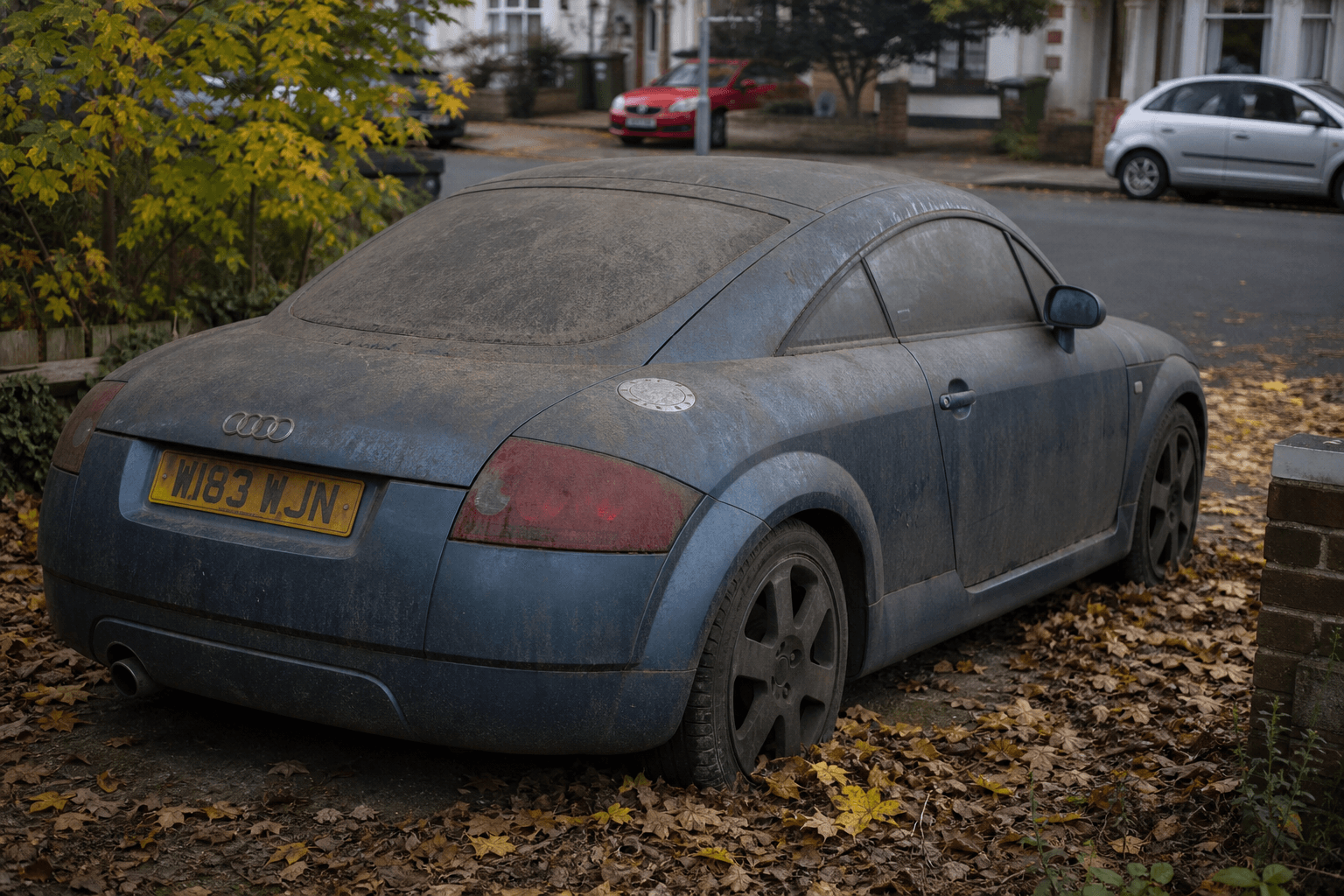
SORN stands for Statutory Off Road Notification. It is a declaration to the DVLA that a vehicle is not being used on public roads. While SORNed, the owner does not need to pay road tax (Vehicle Excise Duty).
If a history check shows a SORN period, it means the car was declared off the road at some point. Run a vehicle history check at Bad Drivers UK to see the full SORN history alongside other records.
Why Would a Car Be SORNed?
There are several legitimate reasons:
- Seasonal storage. Classic cars, motorbikes, and weekend cars are often SORNed over winter and put back on the road in spring.
- Project cars. A car being restored or modified is often kept off the road during the work.
- Waiting for repair. A car that has broken down or been in an accident might be SORNed while awaiting repair.
- Cost-saving. Owners who are not using a car can avoid paying tax by SORNing it.
- The car is unsaleable. An owner might SORN a car with a serious defect they cannot afford to fix.
What Does SORN Mean When Buying?
It depends on whether the SORN is current or historical.
Current SORN: The car is right now declared off the road. The seller cannot legally drive it to your viewing - they would need a trailer. You cannot drive it away. You need to tax it before you use it on public roads. Also ask why it is currently SORNed.
Historical SORN: The car was SORNed at some point in the past but is now back on the road and taxed. This is much less concerning. A gap in MOT history might correspond to a SORN period - always check whether the timelines match.
Gaps in MOT History and SORN
If the MOT history shows a gap of a year or more and the seller says the car was SORNed, the timelines should match up. A SORN declared in January 2021 and lifted in March 2022, with a new MOT taken out at that point, makes sense.
If the timelines do not match - if the car was supposedly SORNed but there is no MOT gap, or vice versa - that inconsistency needs an explanation.
SORN and Condition
A car that has been off the road for a long time can suffer from inactivity. Rubber seals dry out. Brakes can corrode and stick. Fuel in the tank can degrade. Tyres can develop flat spots.
Before buying a car that has been SORNed for an extended period, you want to know it has been properly recommissioned - or budget for sorting those issues yourself.
What to Ask the Seller
If the history shows a SORN period:
- When exactly was it SORNed and when was it put back on the road?
- Why was it SORNed?
- Was any work done during that period?
- Who stored it and how?
A legitimate seller will have clear answers. Vague or shifting answers suggest the car has a problem they do not want to disclose.
FAQ
Can you drive a SORNed car on public roads?
No. A SORN means the vehicle is declared off the road and cannot be used on public roads. Driving a SORNed car without first taxing it is an offence. You need to tax the vehicle before driving it away from a private sale.
Does SORN affect insurance?
You are not legally required to insure a SORNed vehicle that is kept off the road. However, if you reinstate the car for road use you need insurance before you drive it, not after. Some owners choose to keep basic insurance on stored vehicles to cover fire and theft.
How do I check if a car is currently SORNed?
Run a vehicle history check at check.bad-drivers.uk. It shows the current tax and SORN status alongside SORN periods in the history timeline, finance records, and write-off data.