A category A write-off is the end of the line for any vehicle. The car must be crushed in its entirety, with no components removed and no identity preserved. If a history check returns a category A write-off marker on a car someone is trying to sell you, that is where the conversation ends.
What Category A Actually Means
The UK insurance write-off categories are set by the Association of British Insurers. Category A sits at the top of the damage scale.
Cat A is reserved for vehicles so severely damaged that even individual components are considered unsafe or unusable. This typically applies after catastrophic fire, extreme flooding, severe crashes where the vehicle has been comprehensively crushed, or structural damage so extensive that the vehicle presents a hazard at every level.
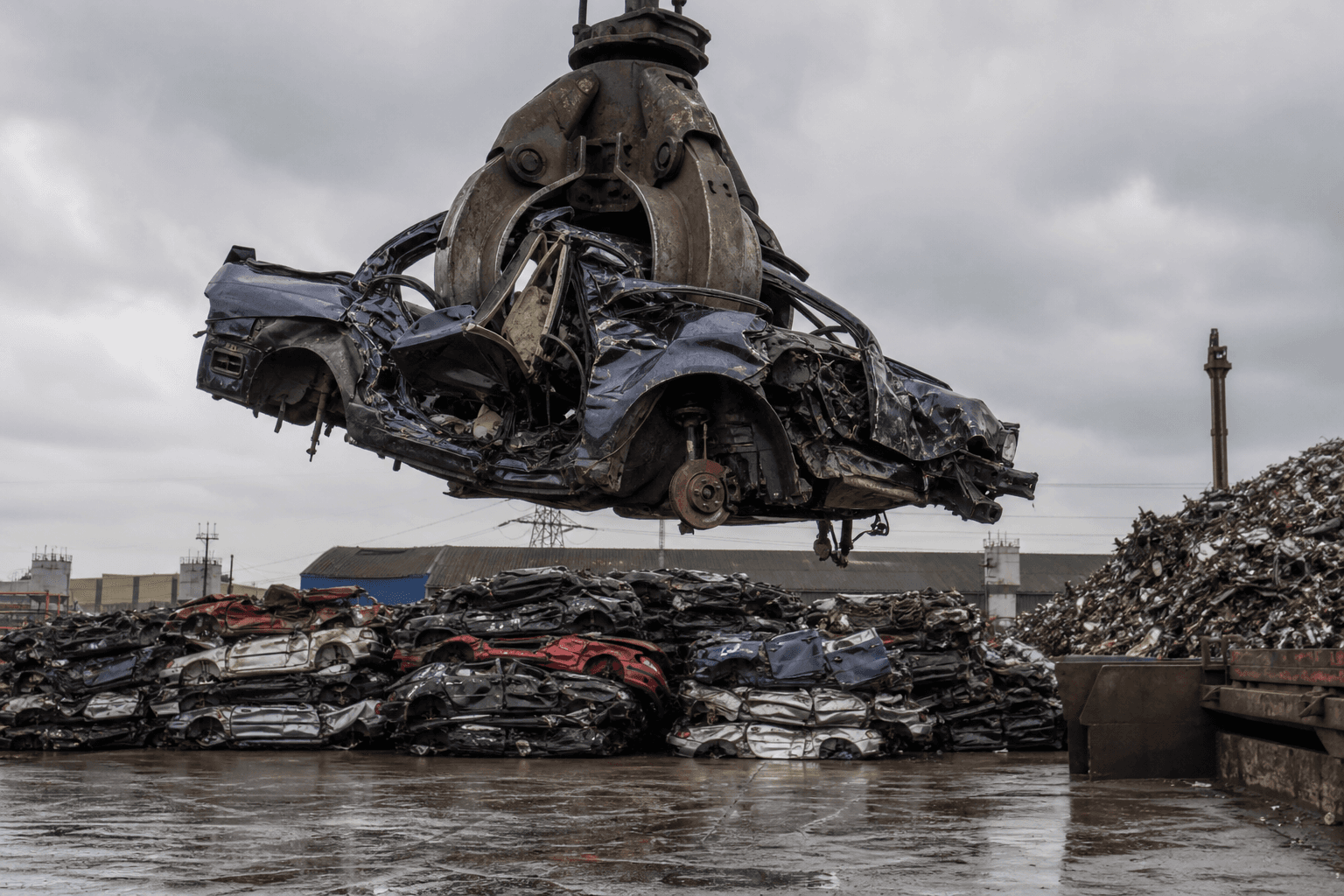
When a car is written off as Cat A, the insurer surrenders the V5C to the DVLA. The vehicle identity is cancelled. The car goes to an authorised treatment facility and is crushed entirely - every part, no exceptions.
No parts can be salvaged or sold. No components go back into the supply chain. The shell is destroyed along with whatever remains attached to it.
How Cat A Differs From Cat S, Cat N and Cat B
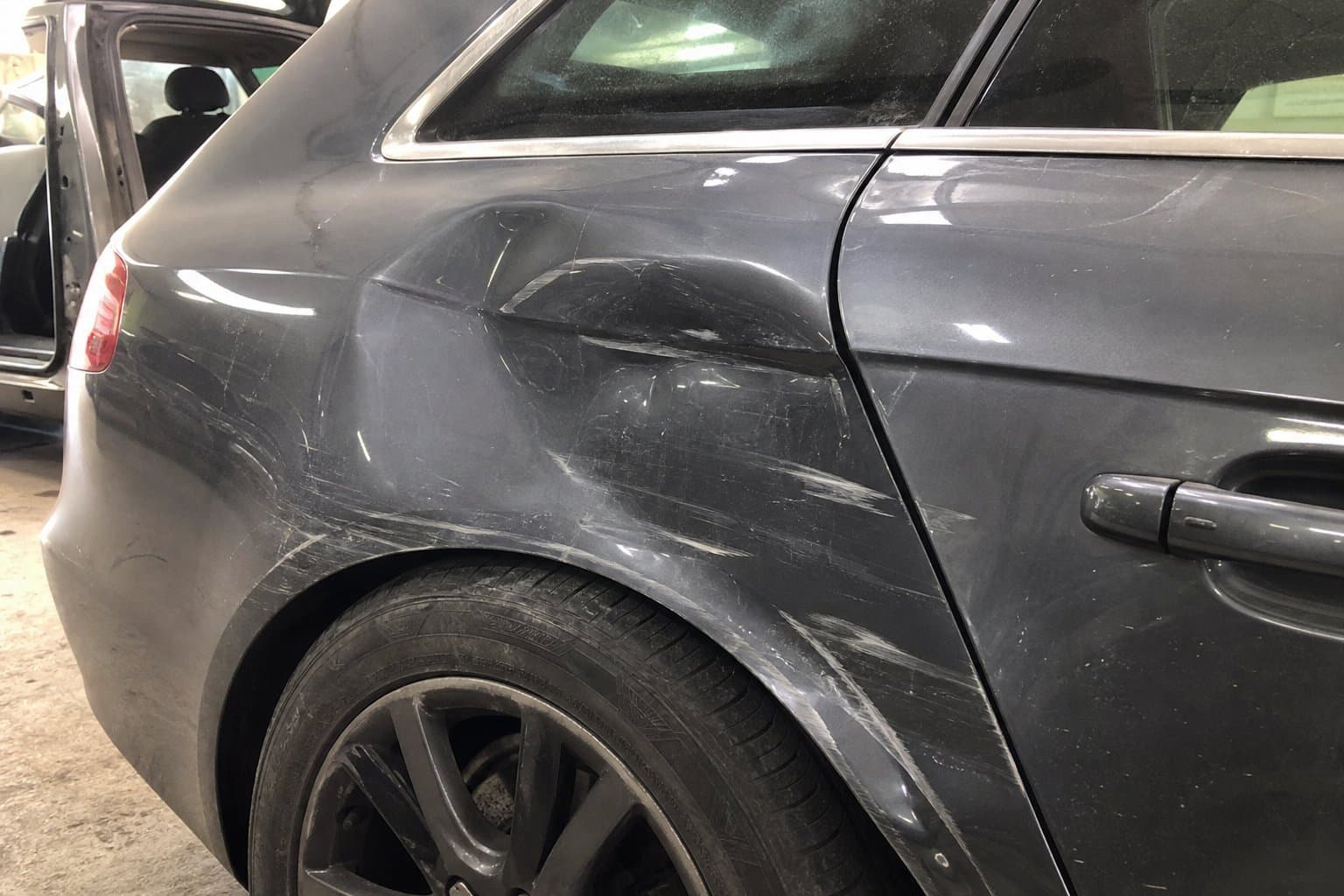
Category S is for structural damage that is repairable. The chassis, sills, or pillars have been compromised, but a qualified repairer can restore them. A Cat S vehicle can return to the road after repair, a new MOT, and disclosure to insurers. It carries a permanent write-off marker on its history.
Category N is for non-structural damage. Cosmetic, electrical, or minor mechanical faults that pushed the repair cost above the vehicle's value. Repairable and returnable to the road with proper disclosure.
Category B sits one step below Cat A. The body shell must be crushed, but serviceable parts can be removed first. An engine, a gearbox, seats, or a door card can be sold as second-hand spares. The shell and the vehicle identity are destroyed. Like Cat A, it cannot return to the road.
Category A leaves nothing. No parts sold, nothing retained, nothing that can re-enter the market.
Why Cat A Vehicles Are Legally Required to Be Crushed
The requirement to crush Cat A vehicles is not guidance. It is the legal outcome of the insurance write-off process combined with the DVLA vehicle registration framework.
When the V5C is surrendered and the vehicle is classed as Cat A, the registration ceases to exist. There is no mechanism for re-registering a vehicle once its identity has been destroyed in this way. The car cannot be re-MOT'd because it has no registration. It cannot be insured. It cannot be taxed.
The authorised treatment facilities that handle Cat A scrapping are licensed under the End of Life Vehicles regulations. They are required to record and confirm the destruction of each vehicle. The DVLA maintains records of cancelled registrations.
This creates a verifiable record that is linked to the MIAFTR database. When a history check returns a Cat A marker, that is coming from the insurance industry's central record of write-off classifications.
The Risk of Fraudulently Rebuilt or Mislabelled Write-Offs
If Cat A cars must be crushed, why do write-off markers occasionally surface on cars being actively sold?
There are two main routes.
Identity fraud. A Cat A shell is acquired before it reaches the crushing facility. A separate vehicle with a clean identity is sourced, often a legitimately scrapped car of the same make and model. The clean vehicle's VIN plates are transferred to the Cat A shell. The resulting car appears legitimate on paper but is built around a body condemned as unsafe.
This is serious fraud and dangerous. The Cat A shell was classified as it was because the vehicle was not safe. Putting it back on the road with a transplanted identity does not change what happened to the structure.
Misclassification and database gaps. In some cases, a vehicle that should have been Cat A may have been incorrectly classified, or the record was not properly entered into MIAFTR. The car may carry a lower category than the damage warranted. This is less common, but it is why a history check result needs to be verified against the physical condition of the car.
How a History Check Can Surface Write-Off Markers
A comprehensive vehicle history check queries the MIAFTR database maintained by the Association of British Insurers. Write-off categories from Cat A through to Cat N are recorded at the point of classification by the insurer.
For Cat A, a history check result will show the category and the approximate date of classification. If you see Cat A on a history check for a car you are considering buying, there is no grey area. The car should not be on the market.
A clean result on a history check is not a guarantee that a car has no write-off history. Classification gaps exist, particularly for older vehicles and vehicles damaged before the system was in place. Physical inspection remains important alongside any check.
If a history check returns Cat A, do not meet the seller. Do not proceed. If you believe the car is being fraudulently sold, report it to Action Fraud.
Useful Links
- Scrapped and written-off vehicles - GOV.UK guidance on what happens when a vehicle is written off
- End of Life Vehicles - GOV.UK guidance on the legal requirements for vehicle disposal
Run a full vehicle history check for £9.99. Write-off category, finance, stolen marker, keeper history and more. If a Cat A marker comes back, walk away.
FAQ
What is a Category A write-off?
Category A is the most severe insurance write-off classification in the UK. The vehicle must be crushed in its entirety at an authorised treatment facility. No components can be salvaged or sold. The vehicle identity is destroyed. A Cat A car cannot legally return to the road in any form.
What is the difference between Cat A and Cat B?
Both Cat A and Cat B vehicles must have their body shells crushed. Cat B allows usable parts to be removed and sold as spares before crushing. Cat A requires the entire vehicle to be destroyed with nothing salvaged. Neither can return to the road.
Can a Cat A write-off be repaired and driven legally?
No. A Cat A write-off cannot be repaired, reregistered, or returned to the road under any circumstances. Any vehicle presented as a rebuilt Cat A is either fraudulent or mislabelled. If a history check returns Cat A on a car being sold, close the listing.
How do I know if a car I am looking at is a Cat A write-off?
Run a full vehicle history check before viewing any used car. Cat A status is recorded on the MIAFTR database and will appear on a comprehensive check. Cat A should never appear on a car being actively sold. If it does, the car is either fraudulently rebuilt or misrepresented.