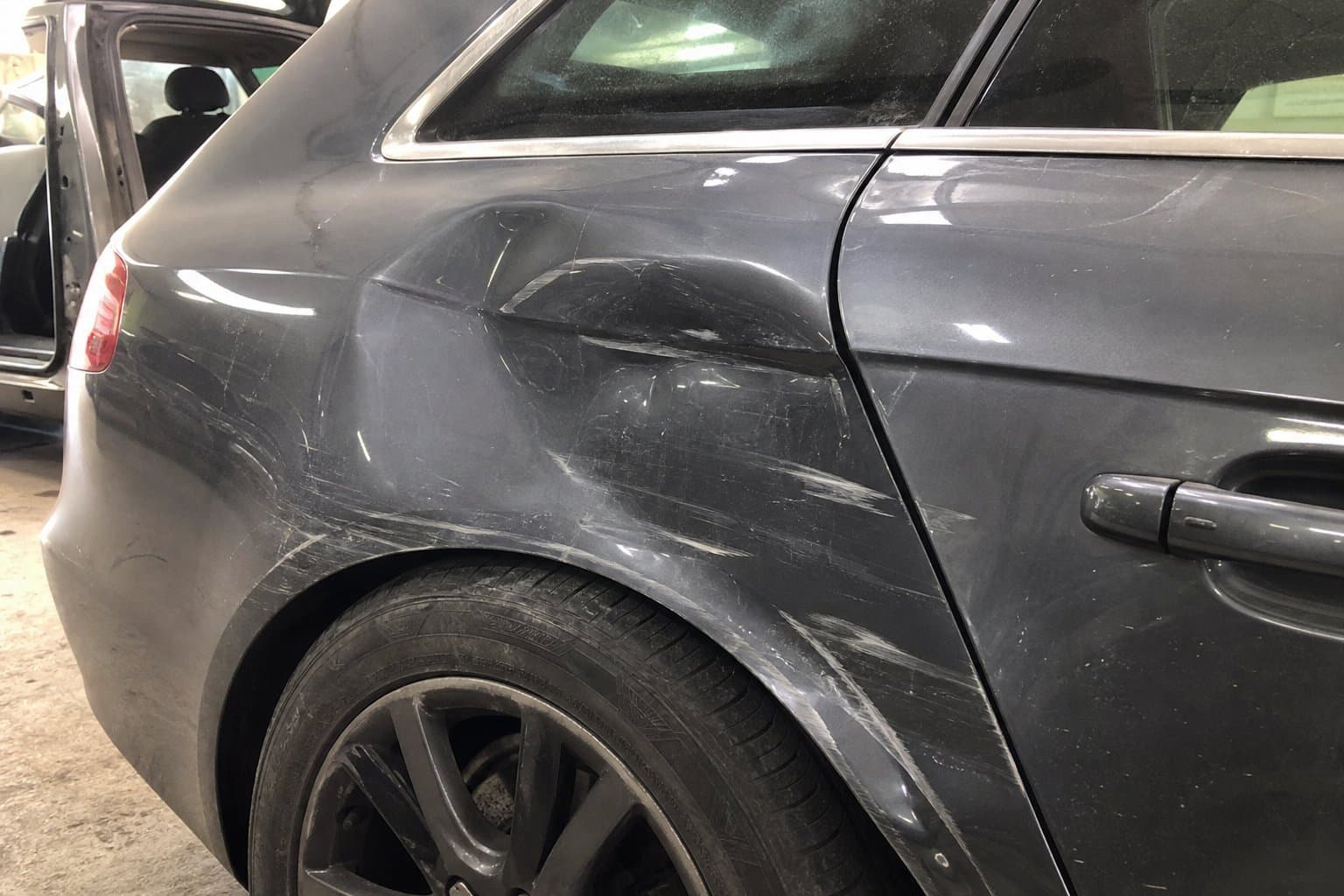
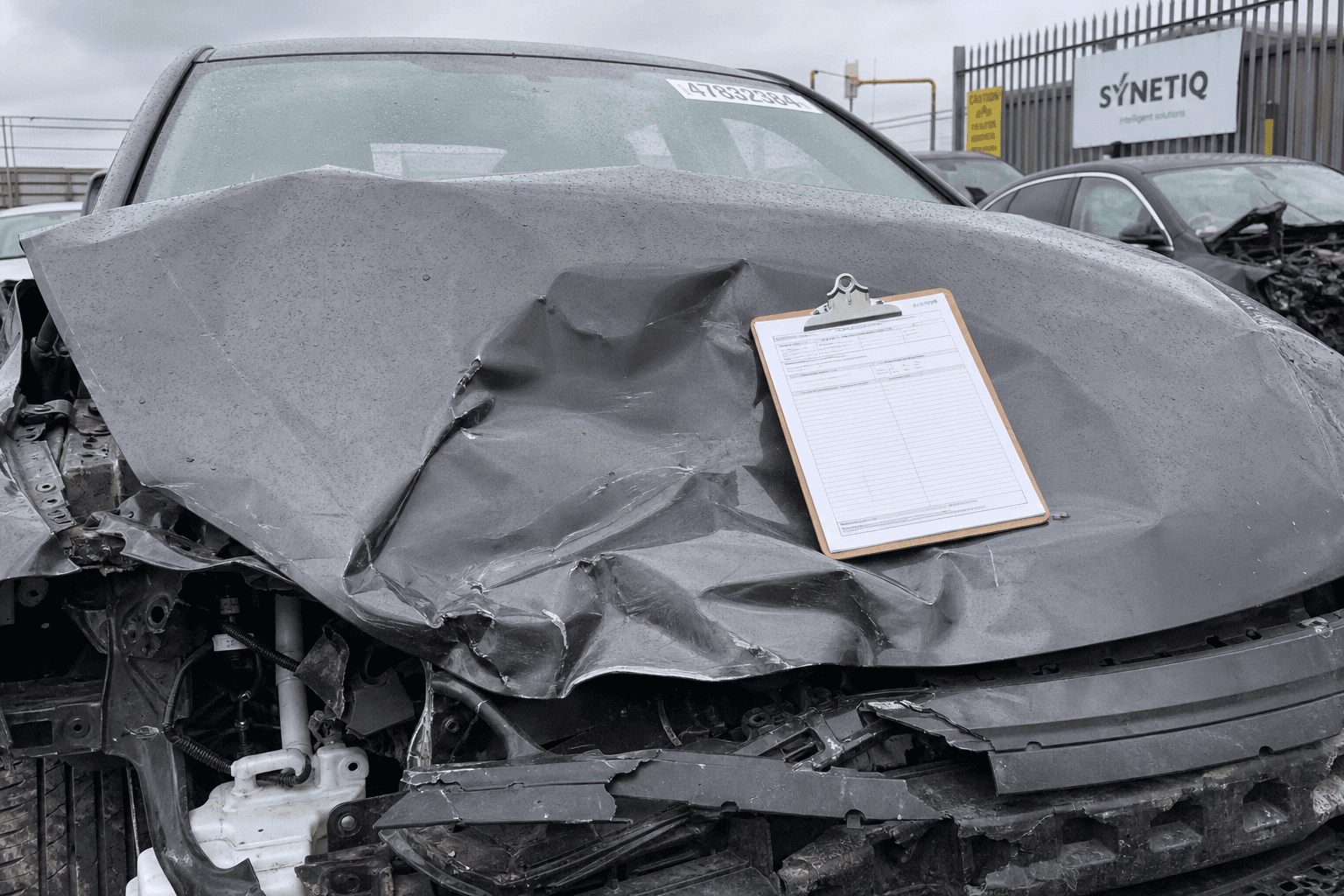
Cat C and Cat D are the write-off categories used in the UK before October 2017. They have been replaced by Cat S and Cat N, but that does not mean they have disappeared. Any car written off before the changeover still carries its original Cat C or Cat D marker on its history. Millions of those cars are still being bought and sold today. Run a free check at check.bad-drivers.uk before you buy.
Why the Categories Changed in 2017
In October 2017, the Association of British Insurers overhauled the write-off system. The old categories A, B, C, and D were replaced with A, B, S, and N.
The problem with the old system was that Cat C and Cat D were based purely on whether repair costs exceeded the car's market value. They said nothing about whether the damage was structural or cosmetic. Two cars with very different damage profiles could both end up labelled Cat D.
The new system fixed that. Cat S is for structural damage. Cat N is for non-structural. The change made it easier for buyers to understand what they were actually looking at.
Cars written off before October 2017 kept their original classification. You will still see Cat C and Cat D on history checks for older vehicles, and that is not going to change.
What Cat C Actually Meant
Category C meant the insurer declared the car a total loss because repair costs exceeded its value, and the damage involved the structure of the car. The chassis, sills, pillars, or floor.
The car could legally return to the road, but only after passing a Vehicle Identity Check, known as a VIC, carried out by the DVLA before re-registration. The VIC confirmed the car was what it claimed to be. It did not assess how well the repairs were done.
A Cat C car with a shoddy structural repair could pass a VIC and still be put back on the road. That is the risk. The VIC was an identity check, not a safety check.
What Counts as Structural Damage?
Structural damage affects the parts that protect you in a crash. The floor pan, sills, A-pillars, B-pillars, front subframe, and crumple zones. If those are bent or welded back together poorly, the car will not perform as it should in a collision.
What Cat D Actually Meant
Category D meant the insurer declared the car a total loss, but the damage was non-structural. Bodywork dents, scratched panels, broken glass, or damaged electrics. Repair costs still exceeded the car's value, which is why the insurer wrote it off rather than pay for the work.
Cat D cars could return to the road without any re-inspection at all. No VIC required. The car just went to a salvage auction, got repaired by whoever bought it, and came back on the road.
That absence of any check is worth keeping in mind. A Cat D car might have been repaired perfectly. It might not. There is no record of the repair standard anywhere.
Cat D is broadly the same as today's Cat N.
How Cat C and Cat D Compare to Cat S and Cat N
The categories map across like this.
Cat C is the equivalent of Cat S. Both mean structural damage, repair costs exceeded value, the car can return to the road but carries a permanent write-off marker.
Cat D is the equivalent of Cat N. Both mean non-structural damage, repair costs exceeded value, the car carries a permanent write-off marker.
The key difference is the VIC requirement. Cat C cars had to pass a VIC before re-registration. Today's Cat S cars have no equivalent mandatory re-inspection requirement, which many people see as a backwards step.
If you see Cat C on a history check for a car made before 2017, treat it the same way you would treat Cat S on a newer car. If you see Cat D, treat it the same as Cat N.
What to Check When Buying a Cat C or Cat D Car
The write-off marker is permanent. It never comes off the car's history. That affects insurance and resale value every single time the car changes hands.
Before buying a Cat C car, get an independent engineer's inspection. Not an MOT. A proper pre-purchase inspection from a qualified engineer who knows what to look for in a structural repair. Misaligned panels, inconsistent weld quality, signs of overspray hiding repaired metalwork.
Check that a VIC was completed on Cat C vehicles. There should be a record of it. If there is no VIC and the car has Cat C history, ask why.
Check the VIN in three places. The plate on the dashboard, the stamp in the engine bay, and the mark on the door sill. All three should match each other and match the V5C exactly.
Ask about airbags and seatbelt pre-tensioners. These are often not replaced after accidents, or replaced with non-functioning substitutes. You cannot tell from the outside.
Price the car at a realistic discount. A Cat C or Cat D car should be 25 to 40 percent below a clean equivalent depending on the damage history. If the discount is smaller than that, the seller is not being straight with you about the risk.
Can You Insure a Cat C or Cat D Car?
Yes. Both categories can be insured. You must declare the write-off history to your insurer when getting a quote. Not declaring it is material misrepresentation, which can void your policy if a claim is made.
Some insurers will not touch Cat C equivalents at all. Others will quote but charge a premium. Cat D cars are generally easier to insure than Cat C because the original damage was non-structural.
If mainstream comparison site results exclude write-off vehicles, contact specialist brokers directly. They handle non-standard vehicles and are more likely to provide competitive quotes.
Useful Links
- Gov.uk: Scrapped and written-off vehicles - what happens when a vehicle is declared a total loss
- Gov.uk: Vehicle Identity Check - background on the VIC scheme that applied to Cat C vehicles
Run a full vehicle history check at check.bad-drivers.uk for £9.99. Write-off category, finance, stolen marker, keeper history, and MOT history all in one report. Know before you buy.
Frequently Asked Questions
What is a Cat C write-off?
Category C was a write-off classification used in the UK before October 2017. It meant the car suffered structural damage and repair costs exceeded its market value. The car could legally return to the road after repair, but only after passing a Vehicle Identity Check. Cat C was replaced by Cat S in October 2017.
What is a Cat D write-off?
Category D was a pre-2017 write-off classification for non-structural damage where repair costs exceeded the car's value. The car could return to the road without any mandatory re-inspection. Cat D was replaced by Cat N in October 2017. Millions of older cars still carry Cat D markers on their history.
Can a Cat C or Cat D car be driven legally?
Yes. Both categories can be on the road. Cat C required a VIC before re-registration. Cat D had no re-inspection requirement. There is no legal barrier to buying or driving one, but you must declare the write-off to your insurer.
Are Cat C and Cat D the same as Cat S and Cat N?
Broadly yes. Cat C maps to today's Cat S (structural damage) and Cat D maps to today's Cat N (non-structural damage). The system was renamed in October 2017. Cars written off before that date keep their original Cat C or Cat D label permanently.
How do I know if a car is a Cat C or Cat D write-off?
Run a full vehicle history check before you buy. Write-off categories including Cat C and Cat D are recorded on insurance databases and will appear on a history report. Do not rely on the seller to tell you.
Should I buy a Cat D car?
Cat D means the original damage was non-structural, so the risk is lower than Cat C. But the write-off marker is permanent and affects both insurance cost and resale value every time the car is sold. Make sure the price reflects a meaningful discount, typically 20 to 35 percent below a clean equivalent, and have the car independently inspected before you commit.