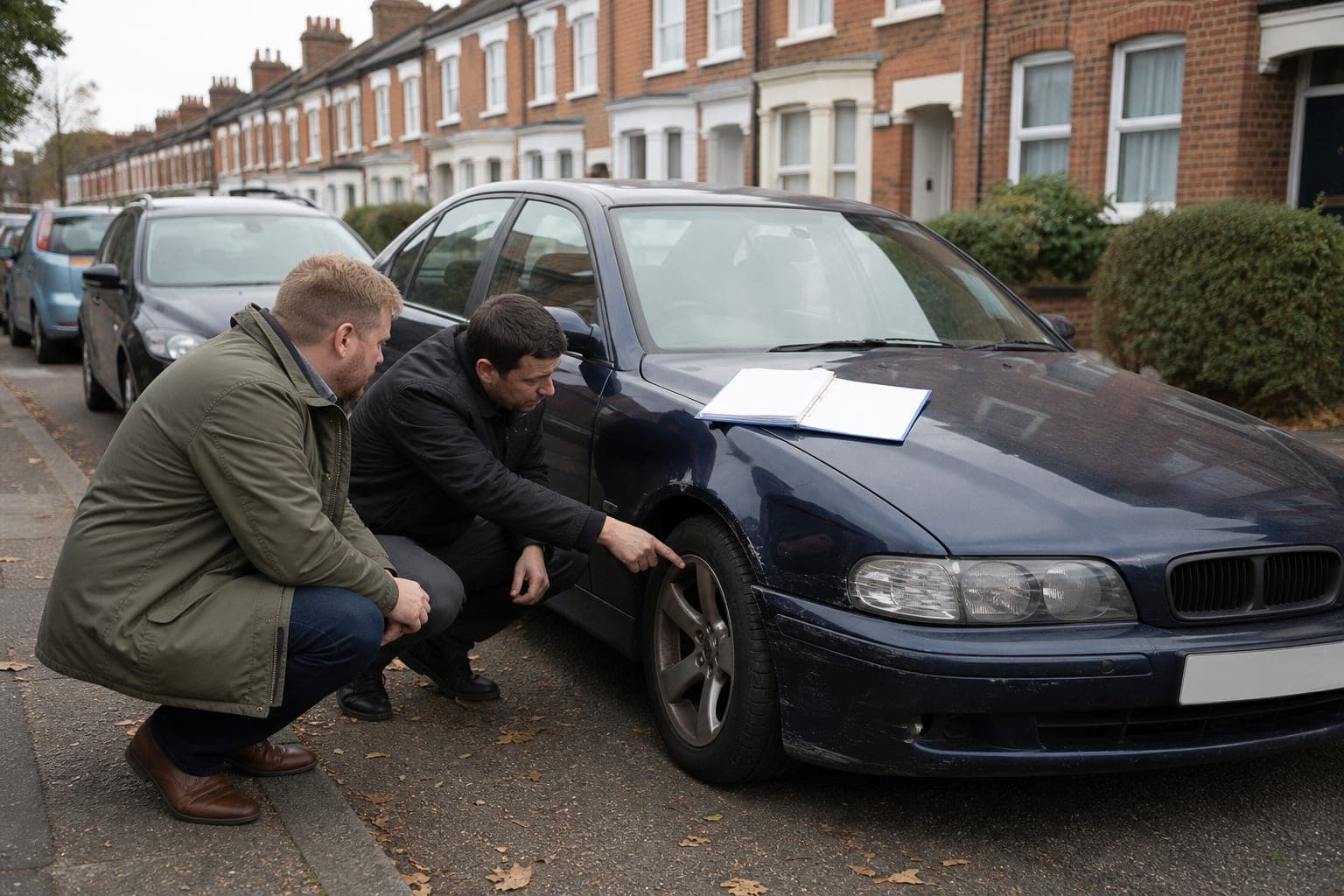
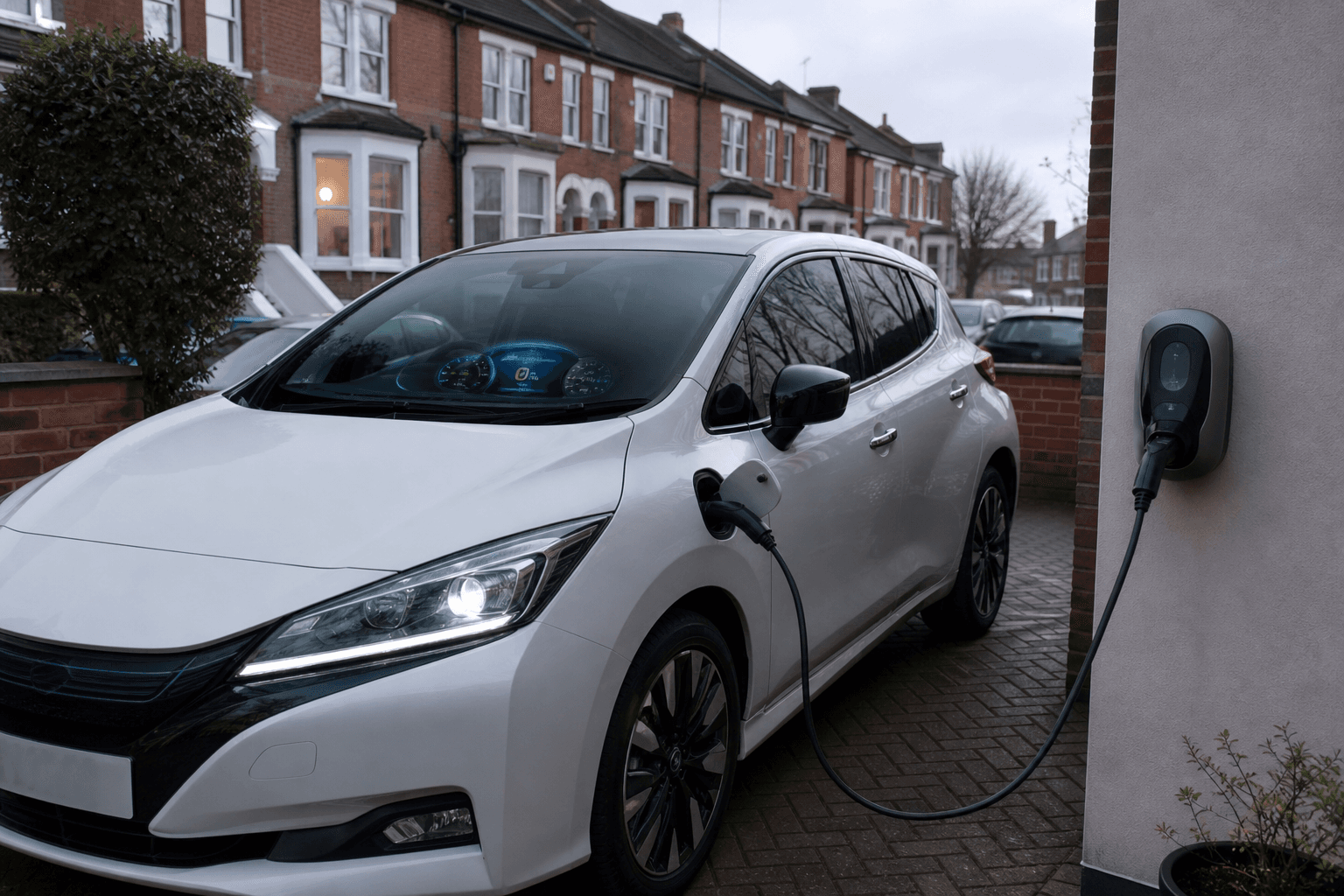
A used EV is only as good as its battery, so learning how to check a used EV's battery health is the single most important thing you can do before handing over money. The mileage, the paint, the service book, none of it matters if the pack underneath has lost a third of its capacity. On a petrol car the engine is the expensive bit. On an electric car the battery is, and replacing one can cost more than the car is worth.
The number you are looking for is State of Health, usually shortened to SoH. It is a percentage that tells you how much of the original battery capacity is left. A brand new pack is 100 percent. After years of charging and discharging it drifts down. Read that number and you know what you are buying.
What State of Health Actually Means
A battery at 100 percent SoH holds its full design capacity. At 90 percent it holds nine tenths of it, so the real world range drops by roughly the same proportion. A car that did 200 miles new will do closer to 180 at 90 percent, and less again in cold weather.
Degradation is normal and it is not linear. Most EVs lose a few percent in the first year or two, then settle into a slow decline of around 1 to 2 percent a year. Hard use speeds it up. Constant rapid charging, regularly running the pack to empty, and sitting at 100 percent charge in hot conditions all wear it faster. A gently used five year old car might still be at 92 percent. A thrashed ex-taxi of the same age could be down at 78 percent with the same mileage on the clock.
That is the trap. Two identical cars, same year, same miles, can have very different batteries. The odometer will not tell you which is which. The SoH will.
Dashboard Range Is Not the Same as Battery Health
Do not rely on the guessed range shown on the dashboard when you turn the car on. That figure, often called the GOM or guess-o-meter, is based on recent driving and temperature, not on the true health of the pack. A car driven gently in mild weather can show a flattering range while the battery is quietly tired underneath.
What you want is the actual SoH percentage, and where you find it depends on the make.
Where to See Battery Health by Make
Different manufacturers bury this in different places.
- Tesla: there is no official SoH readout in the menu, but you can run a full charge to 100 percent and compare the rated range against the original figure for that model. Service mode and third party apps that read the car's data give a more precise number.
- Nissan Leaf: the dashboard shows a battery capacity bar of twelve segments next to the charge gauge. Losing a bar means losing roughly 15 percent. It is crude but honest, and a car that has dropped two or three bars is well worn.
- Renault, Hyundai and Kia: these often need a diagnostic tool plugged into the OBD port to read SoH directly. Hyundai and Kia dealers can pull it from the battery management system.
- BMW, Volkswagen and Audi: a main dealer can read the high voltage battery health during a service inspection and will sometimes print it.
If the seller is a franchised dealer, ask them to show you the battery health report from their diagnostics. A genuine seller will not mind. If they dodge the question, treat that as the answer.
What a History Check Does and Does Not Show on an EV
A vehicle history check is still essential on an electric car. It shows the same things it shows on any car: outstanding finance, a write-off marker, a stolen record, mileage anomalies and the keeper history. All of that matters just as much on an EV, and a salvage EV with flood or fire damage to the pack is a serious safety risk, not just a money one.
What a history check cannot do is read the battery. SoH is not held by the DVLA, the DVSA or any insurer database, so it does not appear on any report from anyone. Anybody claiming a history check reveals battery health is misleading you. The check confirms the car's paper trail is clean. The battery reading is a separate job you do at the car. You want both. If you are new to history reports, see what a car history check shows for the full list of what is and is not covered.
EVs Still Need an MOT
People assume electric cars skip the MOT. They do not. An EV needs its first MOT at three years old, the same as any other car, and the DVSA test covers brakes, tyres, lights, steering, suspension and the body. You can read the full record before you view a car, the same way you would for a diesel. Our guide on how to read an MOT history walks through the advisories and failures.
The catch is that the MOT does not test the battery. A car can sail through its MOT with a pack that has lost a quarter of its range. So a clean MOT is necessary but it tells you nothing about the most expensive component in the car.
Questions to Ask the Seller
Before you view, get answers to these:
- What is the current State of Health percentage, and can you show me where the car displays it?
- Has the car ever had a battery module or the full pack replaced under warranty?
- How was it usually charged, mostly home wallbox or mostly rapid chargers?
- Is the manufacturer battery warranty still in date, and is it transferable to me?
That last point matters. Most makers warrant the pack to stay above about 70 percent for eight years or 100,000 miles, whichever comes first. If that cover is still live and transfers to you, a weak battery becomes the manufacturer's problem rather than yours. Get the warranty terms in writing.
Get an Independent Battery Test
If you cannot see a trustworthy SoH reading, pay for an independent battery health test. Specialist firms plug into the diagnostic port and produce a certified State of Health figure, usually for somewhere between 50 and 100 pounds. On a car costing several thousand pounds, where a tired pack could mean a five figure repair, that is money well spent.
The order of play is simple. Confirm the paperwork is clean with a history check. Confirm the MOT record is honest. Then confirm the battery itself with a real SoH reading or an independent test. Skip the last step and you are buying the one part you cannot see, on trust alone. For the wider buying checklist, see what to check before buying a used car.
Useful Links
- Getting an MOT - GOV.UK - Confirms EVs need an MOT from three years old
- Buying a vehicle - GOV.UK - Official guidance on what to check before you buy