You come downstairs and the driveway is empty. The doors are locked, the glass is intact, and both keys are exactly where you left them. Keyless car theft does not look like a burglary, and that is precisely why it causes so much trouble afterwards, when an insurer wants to know how somebody drove off in a car whose keys never left the house.
What Keyless Entry Actually Does
A keyless car is constantly listening. The vehicle transmits a low power interrogation signal, and when a valid key comes within range it answers, the car unlocks, and the start button works.
The system has no concept of distance beyond signal strength. It knows the key answered. It does not know whether the key was really beside the door or whether its answer travelled there by some other route.
That is the entire vulnerability.
The Relay Attack
Two people, two devices, and usually under a minute.
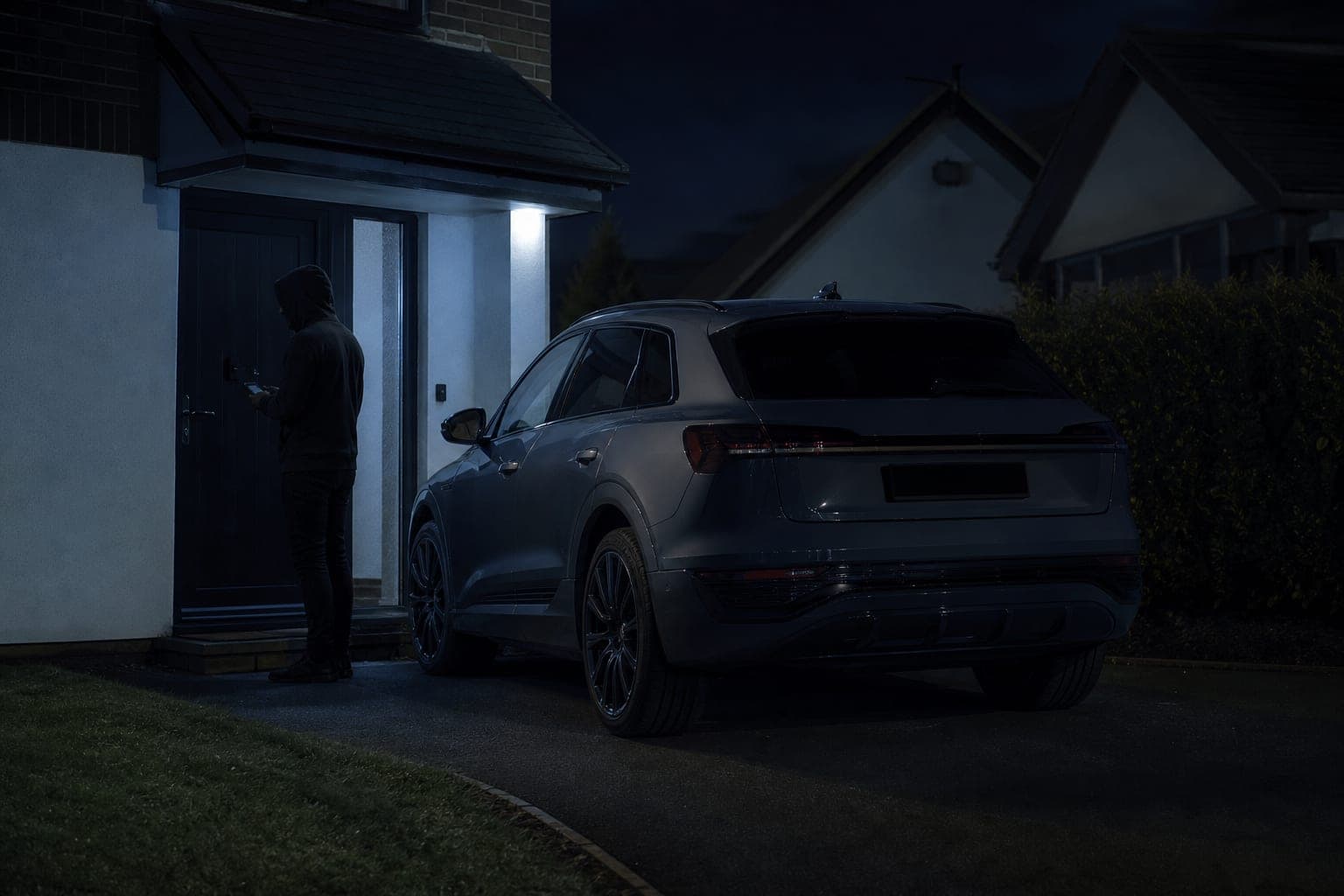
One stands as close to your house as they can get, often at the front door or by a window, holding a receiver that picks up the faint signal your key is emitting from inside. The device amplifies it and transmits it to an accomplice standing at the car.
The second device rebroadcasts that signal next to the vehicle. The car receives what appears to be a legitimate key response from a few inches away, unlocks, and permits the start button to work.
No glass broken. No lock drilled. No alarm, because as far as the car is concerned the owner walked up with the key in their pocket.
Once it is running they simply drive away. Most keyless systems will not shut the engine down while the vehicle is moving even if the key disappears, for obvious safety reasons, so the car keeps going until it is switched off somewhere else.
Other Methods Worth Knowing
Relay attacks get the coverage, but they are not the only route.
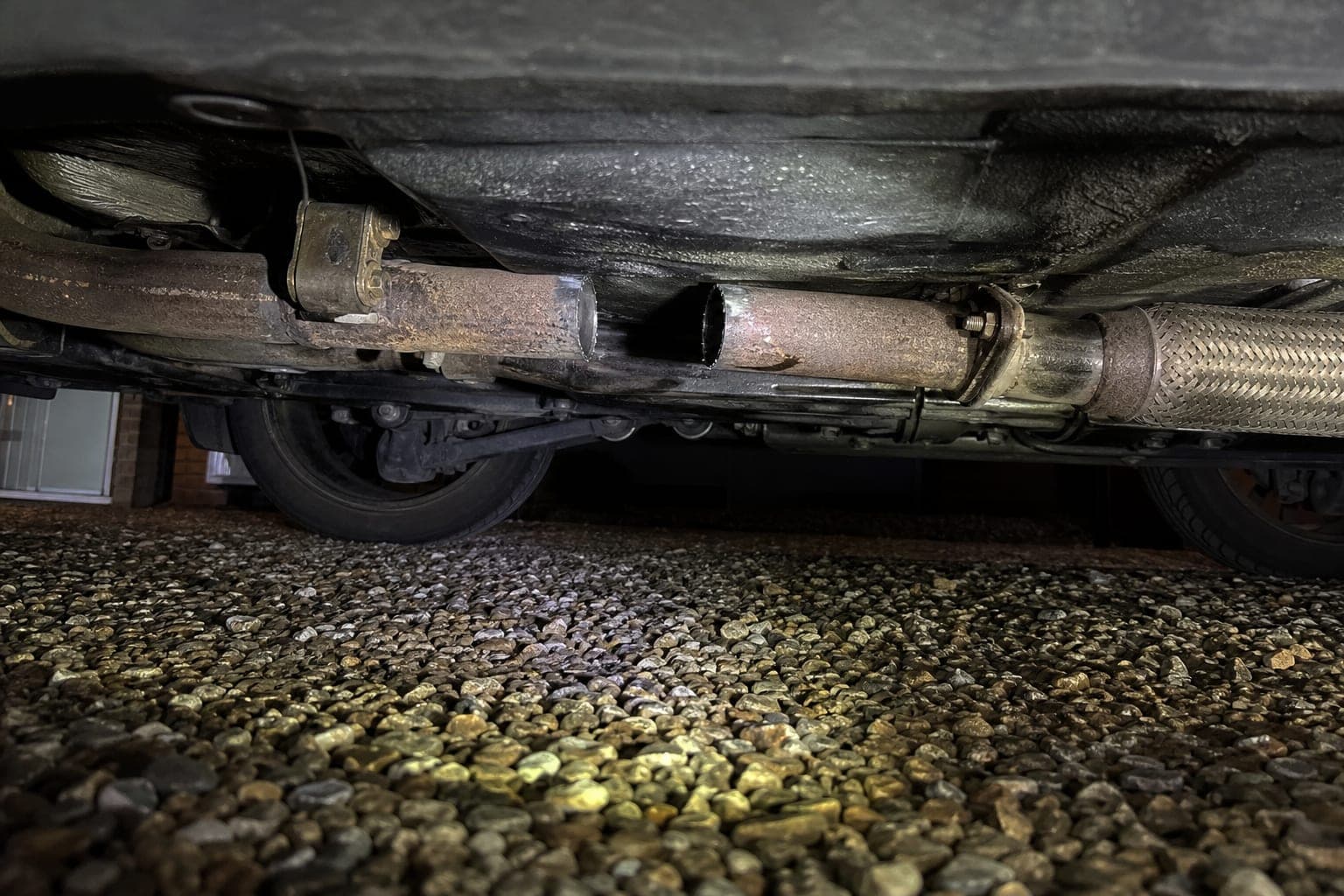
Key cloning through the diagnostic port. Thieves gain entry, plug equipment into the OBD port under the dashboard, and programme a blank key to the car. This one does involve forcing entry first, so there is usually some damage.
Signal jamming. A jammer blocks the locking signal from your fob as you walk away, so the car never actually locks. You hear nothing, assume it locked, and leave it open. Always look for the indicators to flash and the mirrors to fold.
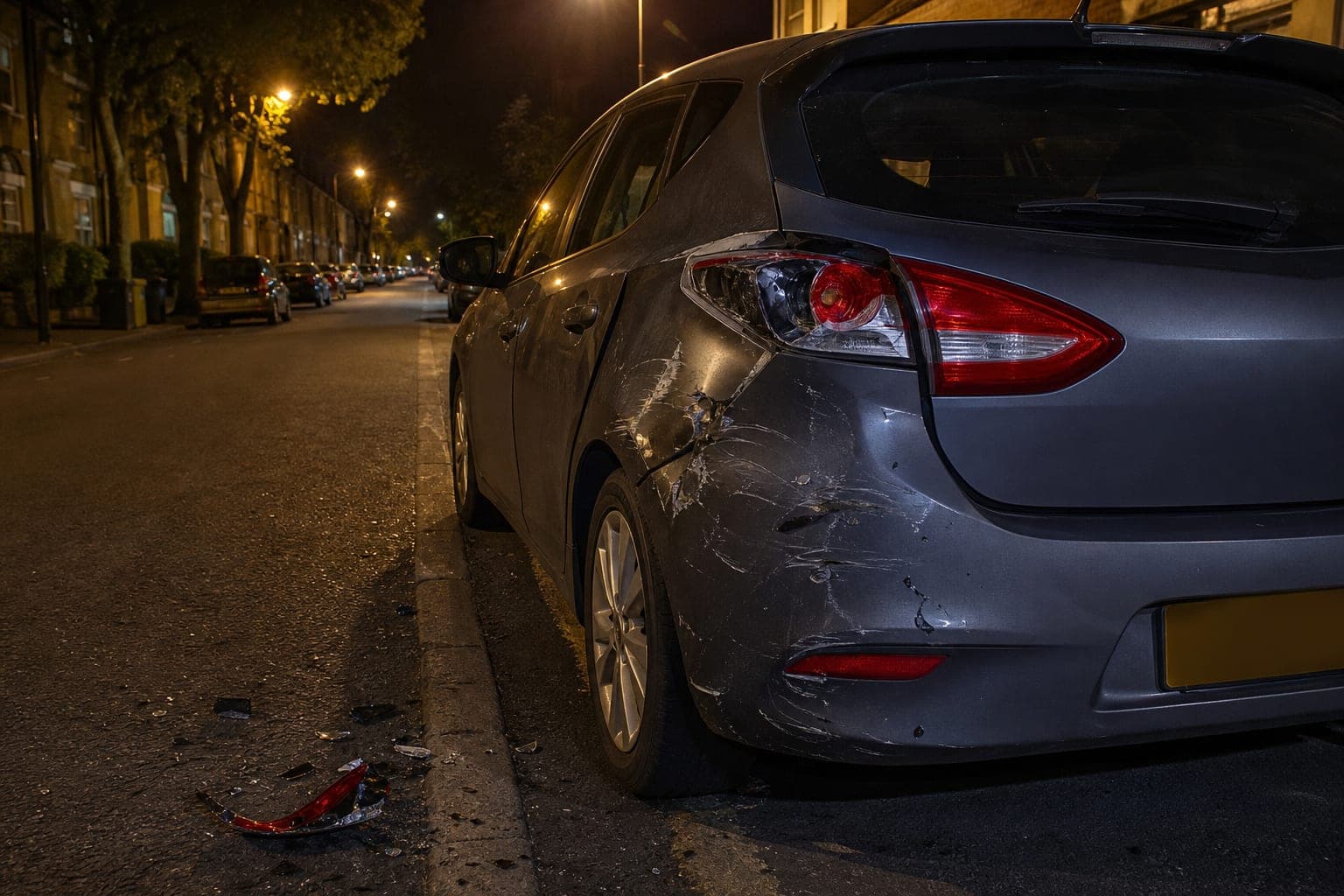
Attacks on the vehicle's internal network. More sophisticated methods splice into wiring behind a headlight or bumper to inject commands directly. Damage to a wing or a headlight surround with no other apparent reason can be a sign.
What Actually Helps
A Faraday pouch or box. A lined pouch blocks the key's signal entirely, so there is nothing to relay. They cost very little and they work, provided you use one every single time and the lining is intact. Test it: put the key in, seal it, stand next to the car and try the handle. If it opens, the pouch is no good.
Keep the spare key in one too. People protect the daily key and leave the spare in a drawer.
Keys that sleep. Many keys made in the last several years contain a motion sensor and stop transmitting after a few minutes of stillness. If yours has it, a key left on a hallway table overnight is already much safer. Check the handbook.
Turning keyless off. Some cars allow keyless entry to be disabled through a menu or a button sequence on the fob. If you rarely use it, this removes the attack surface entirely.
Distance and walls. Keys near the front door or a window are easiest to reach. Keys upstairs, in the middle of the house, away from external walls, are considerably harder.
Visible mechanical security. A steering wheel lock is crude and it is also an excellent deterrent, because relay theft is a quiet, fast, low effort crime and a lock makes it none of those things. An OBD port lock blocks the cloning route.
A tracker. It does not prevent the theft but it materially improves recovery chances.
Why It Matters When Buying Used
A stolen and recovered vehicle can end up back on the market, sometimes repaired, sometimes carrying an identity that is not its own.
A stolen marker is one of the things the paid Full Report at £9.99 covers, alongside outstanding finance, write-off category, keeper history, plate changes and a mileage cross-reference. How to check if a car is stolen in the UK covers what the markers mean and why a clear result matters before money changes hands.
Watch also for the physical traces. Damage or repair around the door handles, the steering column, the OBD port area or a headlight surround with no accident on record is worth a question. A gap in the MOT history followed by a sudden change of keeper is another pattern worth reading, covered in how to read a car MOT history.
Cloned identities are a related problem, where a stolen car wears a registration belonging to a legitimate vehicle. How to spot a cloned car covers what to look for.
If It Happens to You
Report it to the police immediately and get a crime reference number. Tell your insurer straight away. Check whether the car has a manufacturer connected services app, because some can still report a location.
Expect questions about the keys. Insurers ask because keyless theft leaves no forced entry, and being able to say both keys are accounted for and were kept in a signal blocking pouch is a considerably better answer than not knowing where the spare is.
FAQ
How does a relay attack work?
Two thieves work together. One stands near the house with a device that picks up the faint signal your key is constantly broadcasting and relays it to a second device held at the car. The car believes the key is next to it, unlocks and starts. It takes under a minute and leaves no damage.
Does my key need to be near a window?
It helps them, but it is not required. Relay equipment can pick up a key through a wall from a hallway table, a coat pocket or a kitchen worktop. Keys kept deep inside a house and away from external walls are much harder to reach.
Does a Faraday pouch actually work?
Yes, when it is a decent one and it is used every time. The pouch blocks the key's signal so there is nothing to relay. Test yours by putting the key in, sealing it, and checking the car does not unlock when you stand beside it.
Can I turn keyless entry off?
On many cars yes. Plenty of keys made in recent years have a motion sensor that puts them to sleep after a few minutes of stillness, and some models let you disable keyless entry through the infotainment menu or a key button sequence. Check the handbook.
How do I know if a used car has been stolen and recovered?
A stolen marker and the wider history sit in the paid Full Report at £9.99. A recovered vehicle can also show a gap in its MOT record, a sudden keeper change, or damage repairs around the doors, steering column or OBD port.
Will my insurer pay out if the car was taken without the keys?
Usually yes, provided you report it promptly and can account for all the keys. Problems arise where keys are missing, where the vehicle was left unlocked, or where a policy condition about security was not met, so keep both keys safe and documented.
Useful Links
- Vehicle insurance - GOV.UK - The legal requirements for insuring a vehicle and what cover must include.
- Vehicle registration certificate (V5C) - GOV.UK - What the logbook records, and why it is not proof of lawful ownership.
- Request information from DVLA about a vehicle or driver - GOV.UK - Who can obtain vehicle details, including insurers pursuing a claim.
- Driver and Vehicle Licensing Agency - GOV.UK - The agency holding vehicle and keeper records.