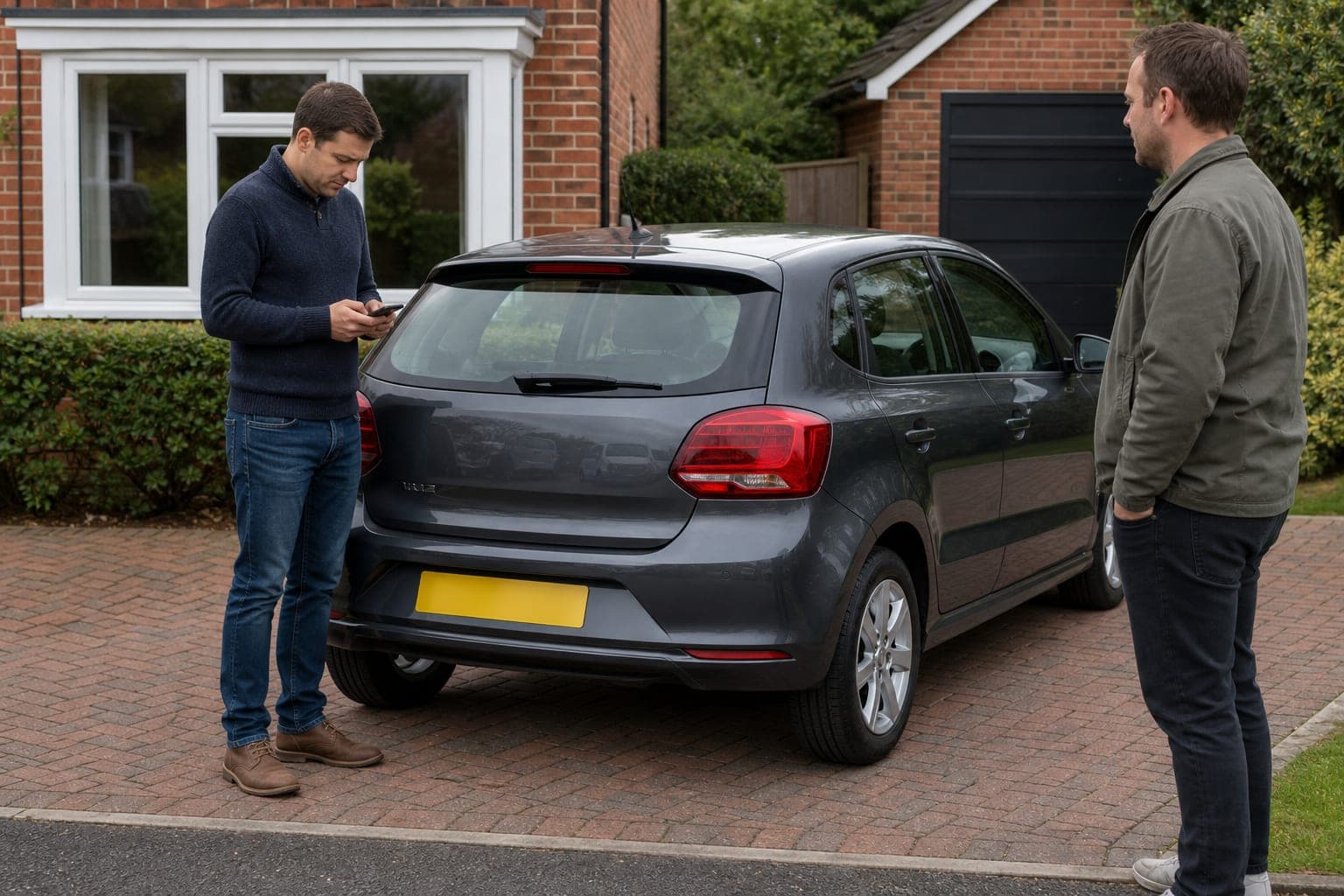
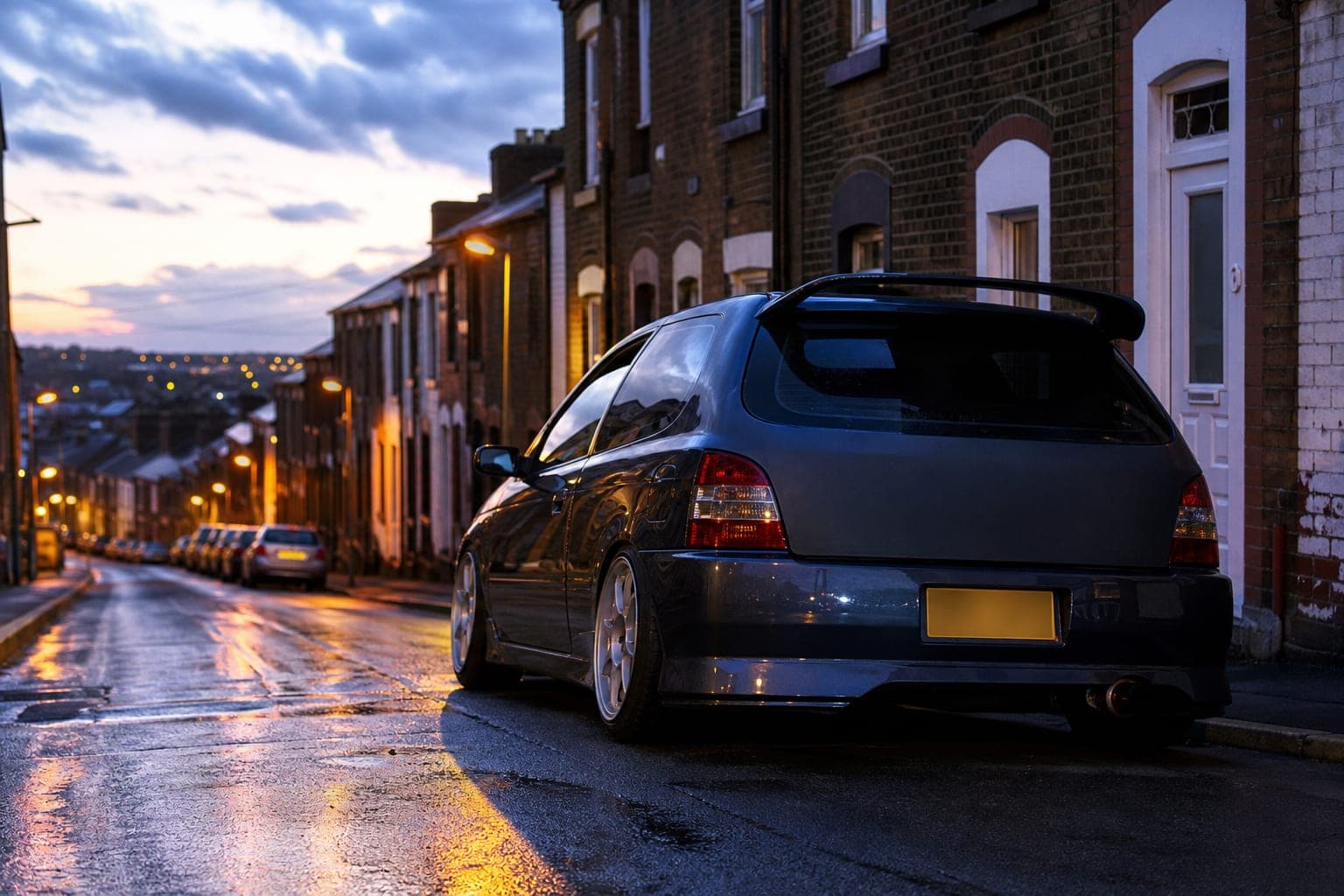
The advert says one careful owner and the photographs look tidy. In person the car sits two inches lower, the rear glass is almost black, and it pulls considerably harder than the badge on the back suggests. Buying a used car with modifications is not automatically a mistake, but every one of those changes becomes yours to declare, and undeclared modifications do not void the last owner's insurance. They void yours.
Insurance Is the Real Exposure
This is the part that costs people money, and almost nobody checks it before handing over cash.
When you take out a policy you are asked whether the vehicle has been modified from manufacturer specification. That question covers everything, including work carried out long before you owned it and work you did not know about.
Answer no on a car that has been lowered, remapped or fitted with a non standard exhaust and you have given an inaccurate statement of fact. Insurers rarely inspect a car when you buy the policy. They inspect it after a claim, when an engineer looks at the vehicle and notes that the suspension is aftermarket and the ECU has been reflashed.
At that point the claim can be reduced or refused outright, and on a total loss that is the whole value of the car. The seller's failure to declare it does not transfer any protection to you.
So the question to ask a seller is blunt and specific. What has been changed on this car, and do you have the paperwork.
What Counts
Wider than most people assume. Insurers generally treat any departure from factory specification as a modification, including:
Performance. ECU remapping, induction kits, exhaust systems, turbo or intercooler changes, anything affecting power output.
Suspension and wheels. Lowering springs or coilovers, uprated anti roll bars, non standard wheel and tyre sizes, spacers.
Bodywork. Body kits, spoilers, arch extensions, bonnet vents, full respray in a different colour.
Glass and lighting. Window tinting, aftermarket headlight units, LED conversions in housings designed for halogen, light bars.
Brakes. Uprated discs, calipers or pads beyond original specification.
Interior. Aftermarket seats, harnesses, roll cages, replacement steering wheels.
Cosmetic items matter too. Alloy wheels a size up change the rolling radius and the speedometer reading, and insurers price them.
Where Modifications Meet the MOT
Some changes create test problems, and the seller may have already been quietly failing on them.
Window tint. On cars first used after April 1985 the front windscreen must transmit at least 75% of light and the front side windows at least 70%. Rear side windows and the rear screen are unrestricted. Tint darker than the limits fails the MOT and is an offence at the roadside, and removing bonded film without damaging heating elements is not cheap.
Lighting. Incorrect colour, wrong aim, or LED bulbs fitted into reflector housings designed for halogen will fail. Light output that dazzles is an immediate problem.
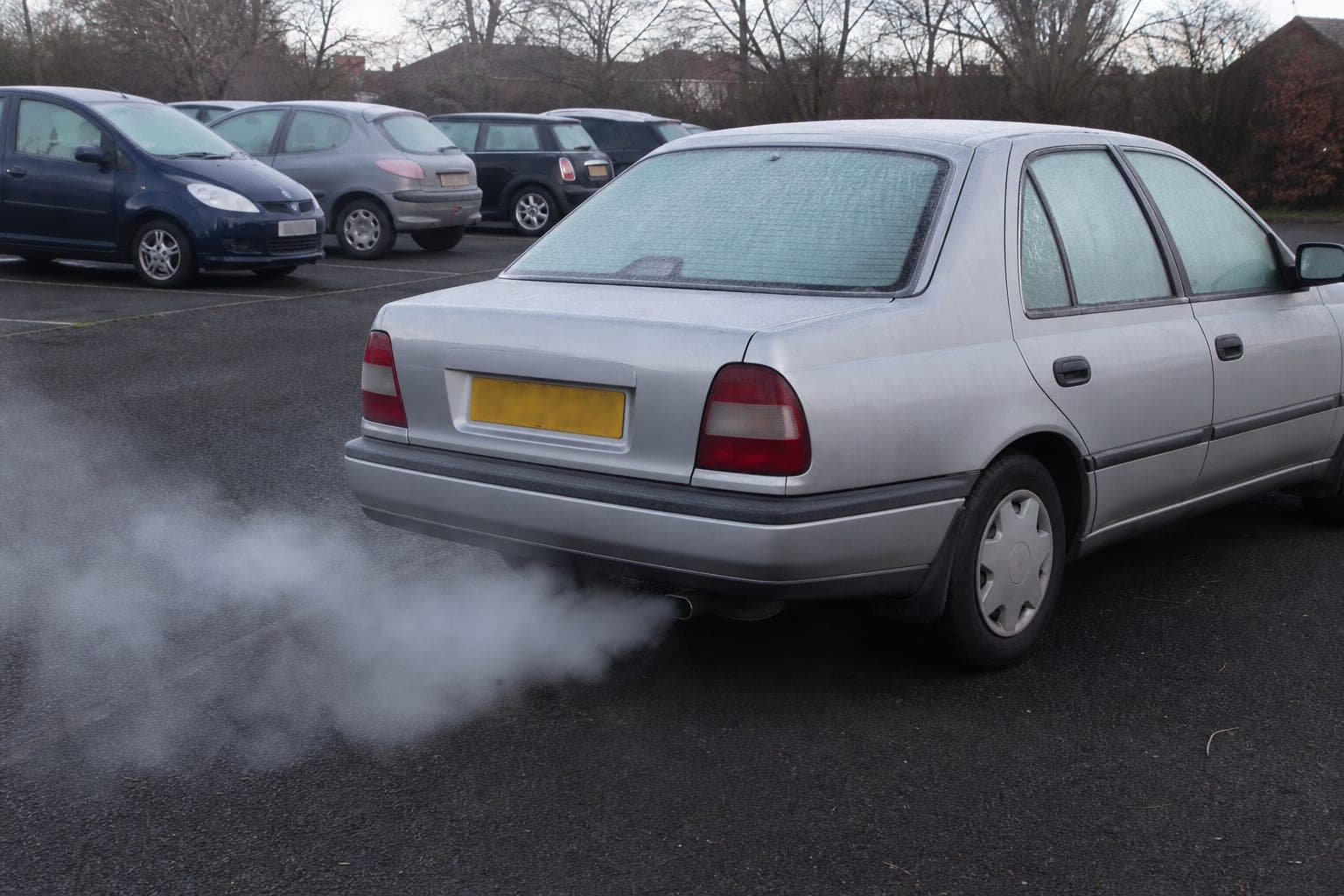
Exhaust. A system noticeably louder than the original fails, as does any modification removing emissions control equipment.
Structure. Substantially modified vehicles can require type approval, and structural changes that reduce strength are a test failure in the same way corrosion is.
Read the MOT history before you view. Repeated failures on tint, lighting or emissions tell you what the current owner has been doing about it, which is usually nothing. How to read a car MOT history covers the entries, and dangerous, major or minor MOT defects covers how failures are graded.
What Modifications Say About the Car
Separate from legality, there is what the work implies about how the car has been used.
A remapped diesel that has spent its life towing is one thing. A remapped hot hatch with uprated brakes, a roll cage and four kerbed wheels has probably not been driven gently, and the wear will be in the drivetrain, clutch and suspension rather than anywhere you can see.
Look for the consistent picture. Tasteful, documented, quality work on an enthusiast car often comes with an owner who also serviced it properly and has a folder to prove it. Cheap parts, poor fitment and no paperwork point the other way.
Signs a used car has been driven hard covers reading wear against the mileage.
Reversibility and Resale
Ask yourself whether you could put it back.
Bolt on parts come off, and a seller who kept the original wheels, exhaust and springs has handed you an easy route to a standard car. Bonded tint, drilled panels, cut wiring and welded cages do not come off cheaply.
On resale, most modifications reduce value and shrink the buyer pool. A standard example sells faster and for more, because the average buyer wants a car nobody has been experimenting with.
Before You Buy
Ask for a written list of every change and any invoices. Get an insurance quote on that registration with all of it declared, before you commit, because the premium may settle the question for you.
Check the MOT record for tint, lighting or emissions failures. Check the tyre sizes against the door pillar sticker. Get underneath and look at the suspension.
Then run the history. Outstanding finance, stolen markers, write-off category, keeper history, plate changes and a mileage cross-reference sit in the Full Report at £9.99. Heavily modified cars change hands more often, and a short keeper history on a much modified car is worth understanding before you become the next name on it. What a car history check shows covers the full list.
FAQ
Do I have to declare modifications to my insurer?
Yes, every one of them, including changes made before you owned the car. An insurer can reduce or refuse a claim if the vehicle differs from what was declared, and that applies whether or not you were the person who fitted the parts.
Can modifications fail an MOT?
Some can. Window tint below the legal light transmission limits, incorrectly coloured or aimed lighting, an exhaust that is louder than the original or has had emissions equipment removed, and structural changes that compromise strength are all test issues.
What are the window tint rules in the UK?
On cars first used after April 1985 the front windscreen must let at least 75% of light through and the front side windows at least 70%. Rear side windows and the rear screen have no limit. Tint that is too dark is an MOT failure and a roadside offence.
How do I know if a car has been remapped?
You often cannot from looking. Ask directly, check for a tuning firm's sticker or invoice, and treat unexplained performance that does not match the specification as a reason to question it. A specialist can read the ECU for evidence of reflashing.
Do modifications affect resale value?
Usually downwards. Quality reversible work on an enthusiast model can hold value, but most modifications shrink the buyer pool and raise doubts about how the car was driven. Standard examples sell faster and for more.
What if the seller says the modifications were never declared?
Then the car has been driven on a policy that did not reflect it, which is the seller's problem historically and yours going forward. Declare everything on your own policy regardless, and treat the admission as a reason to look harder at the rest of the paperwork.
Useful Links
- Vehicle approval - GOV.UK - When substantially modified and rebuilt vehicles require approval before use.
- Vehicle insurance - GOV.UK - The legal requirements for insuring a vehicle on UK roads.
- Getting an MOT - GOV.UK - What the annual test inspects, including lighting, glazing and emissions.
- MOT test results - GOV.UK - How failures and advisories are recorded against a vehicle.