Buying an ex-driving school car puts you in an odd position. On one hand the clutch has survived several hundred learners stalling on a hill. On the other, the instructor's livelihood depended on that car starting every morning, so it has probably been serviced more diligently than anything else on the forecourt. Both things are true, and which one matters more comes down to a handful of checks.
How to Spot One
Driving schools remove the obvious equipment before selling, but the fittings leave marks.
Dual control mounts. The instructor's brake and clutch pedals bolt through the passenger footwell into the bulkhead and floor. Once removed you are left with holes, and a conscientious seller caps and seals them. Pull back the passenger carpet and look. Open, unsealed holes let water and exhaust fumes into the cabin and are a genuine fault, not a cosmetic one.
Roof sign fixings. School signs bolt or magnet to the roof. Bolted ones leave holes and a patch of paint that has aged differently to the surrounding panel.
Extra mirrors. Instructors run additional interior and passenger door mirrors. Look for adhesive shadows on the windscreen, drilled holes in the passenger door mirror housing, or a mirror that has clearly been replaced.
Signage adhesive. Door and boot decals leave a faint outline where the paint underneath has been protected from years of sunlight.
Moderate mileage with heavy wear. This is the mechanical signature. A driving school car might do 15,000 to 25,000 miles a year, which is not extreme, but every one of those miles is a lesson. The wear does not match the odometer.
What Actually Wears Out
The damage on a learner car is concentrated in very specific places, and knowing where saves you a lot of money.
The clutch. Hill starts, stalls, bite point exercises and clutch riding, repeated thousands of times. This is the single biggest cost you might inherit. Test it properly. A bite point right at the top of the pedal travel on a car with modest mileage means it is near the end. Do a deliberate hill start and listen for slip when you pull away with load on.
The gearbox and synchros. Endless clumsy shifts by people learning what a gearstick does. Feel for a notchy second gear and any crunch when changing quickly.
Brakes and tyres. Emergency stop practice is a legal part of the test syllabus. Discs and pads get hammered, and tyres wear flat spots.
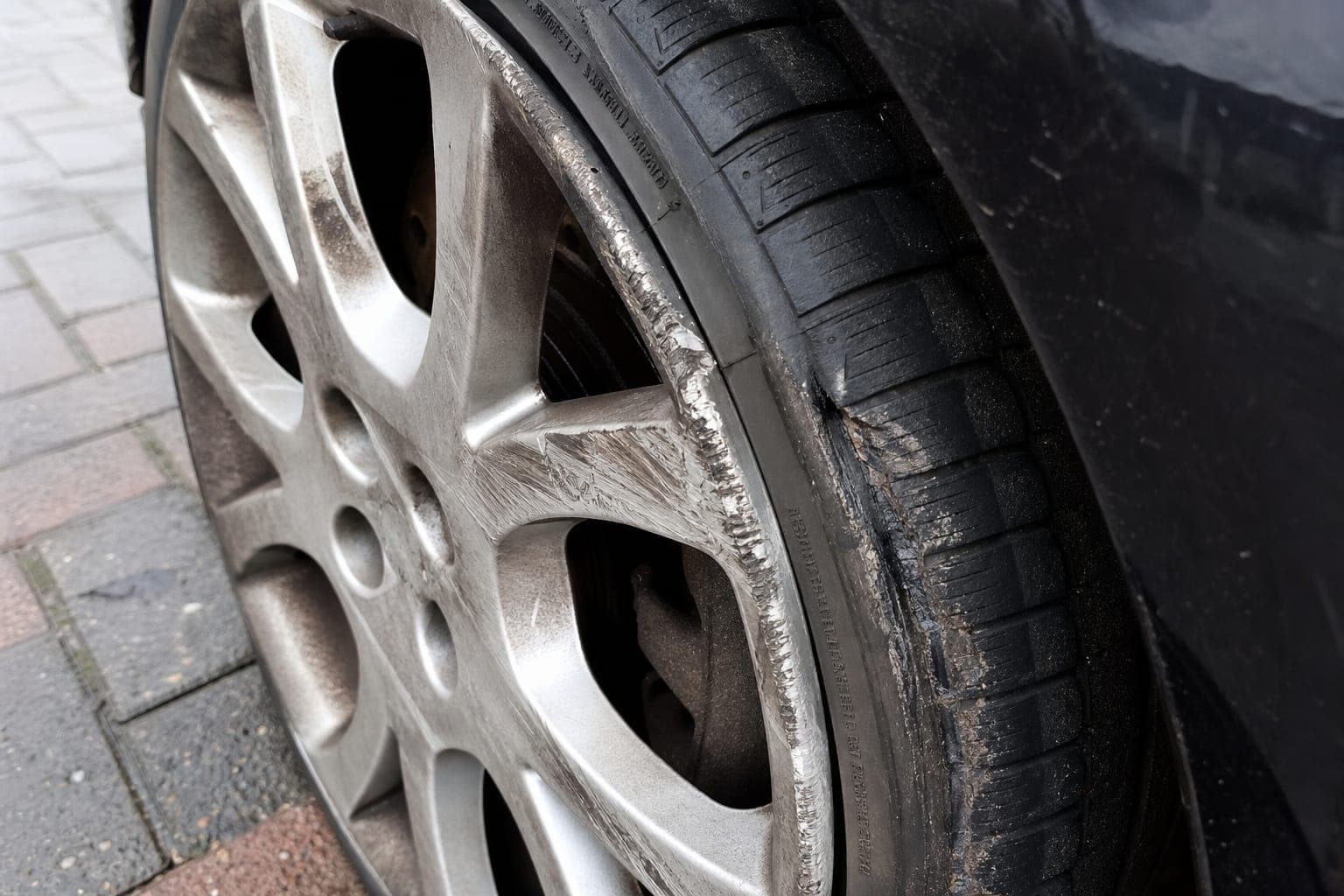
Kerbed wheels and suspension. Parallel parking, reversing round corners and bay parking, done badly, hundreds of times. Check all four alloys and the inner tyre edges, since kerb impacts knock geometry out.
The engine, usually fine. Lessons happen at low speed with light throttle. The engine and turbo often have an easier life than they would in private hands. Our guide to signs a used car has been driven hard explains why the type of wear matters more than the amount.
The Upside Buyers Underestimate
An instructor with a car off the road earns nothing that day. That single fact drives everything about how these cars are looked after.
Servicing tends to be on time or early, often at a main dealer on shorter intervals than the manufacturer specifies. Faults get fixed immediately rather than nursed along, because a warning light during a lesson is an embarrassment and a cancelled booking. Tyres get replaced well before the limit, because a tyre failure with a learner at the wheel is not something any instructor wants to explain.
Many are also relatively young cars in high specification trims, bought on finance and sold at three or four years old.
Check the service record against the MOT history to confirm the story. A car with a thick service book and a clean MOT record with few advisories is behaving exactly as an instructor owned car should. How to check car service history covers verifying the stamps, and how to read a car MOT history covers the test record.
Pricing It Properly
Treat the clutch as the negotiating point. If the car has done 70,000 lesson miles on its original clutch, assume it needs one and price accordingly, because a clutch and dual mass flywheel on a modern car is not a small bill.
Get a proper test drive of decent length rather than a lap of the estate. Cold starts, hill starts, motorway speeds, hard braking. What checks before a test drive covers what to do before you set off.
If the seller denies it was a driving school car while you are looking at capped pedal mounts in the footwell, walk away. Not because of the car, but because of them.
Ownership Checks Still Matter
Driving school vehicles are very frequently financed or leased, and those agreements do not always end when the car changes hands.
Outstanding finance, stolen markers, insurance write-off category, keeper history, plate changes and a mileage cross-reference sit in the Full Report at £9.99, along with valuation and outstanding recalls. Finance is the one to care about most here, because a car repossessed from your driveway is a total loss even though you paid the seller in good faith. What a car history check shows sets out the full list.
FAQ
How do I know if a car was a driving school car?
Look for filled holes in the passenger footwell where dual controls were mounted, a removed roof sign leaving bolt holes or paint shadow, and mirror mounting marks on the windscreen and passenger side. Moderate annual mileage combined with heavy clutch and brake wear is the mechanical signature.
Are ex-driving school cars badly worn?
The clutch, brakes, gearbox and tyres take far more punishment than normal because thousands of hill starts, stalls and emergency stops happen in a short space of time. The engine often fares better, since lessons rarely involve high revs or sustained load.
Are they well maintained?
Usually yes. An instructor loses income the moment the car is off the road, so servicing tends to be prompt and thorough, and many are main dealer maintained on short intervals. The service history on a genuine ex-school car is often better than average.
Should the dual controls be removed before sale?
They are normally removed, and the passenger pedal mounts should be properly capped rather than left as open holes in the bulkhead or floor. Open holes let in water and fumes, so inspect the footwell carefully and factor any repair into your offer.
What should I check before buying one?
Test the clutch bite point and gearbox carefully on a long drive, inspect the footwell for capped mounts, then run the Full Report at £9.99 for outstanding finance, stolen markers, write-off category, keeper history, plate changes and a mileage cross-reference.
Is an ex-driving school car a good first car?
It can be, since they are often small, cheap to insure models kept in good order. Just budget for a clutch and a set of tyres, and get the price down to reflect that rather than paying the same as a privately owned example.
Useful Links
- Become a car driving instructor - GOV.UK - The standards instructors work to, including requirements placed on their vehicles.
- Driving lessons and learning to drive - GOV.UK - Official guidance on lessons and the manoeuvres tested, which explains the wear pattern.
- Getting an MOT - GOV.UK - What the annual test inspects and how advisories are recorded.
- Vehicle registration certificate (V5C) - GOV.UK - What the logbook shows about keepers, and what it leaves out about previous use.