Buying an ex-fleet or lease car divides opinion more than almost anything else on the used market. One camp says they are the smartest purchase available, because somebody else absorbed the depreciation and a contract maintenance schedule kept them serviced properly. The other says nobody ever washed a car they did not own. Both camps are describing real cars. The difference is visible before you buy, if you look at the right things.
How to Spot an Ex-Fleet Car
The V5C is the starting point. Look at the previous keeper rather than the current one.
A leasing, contract hire or rental company named as a former keeper settles it. Many fleet cars pass to a dealer and then to a private buyer, so the leasing company may be two keepers back rather than one.
Beyond the logbook, the pattern is consistent. Three to four years old. Sixty to ninety thousand miles. A single company keeper before the trade. Mid to high specification, because fleet buyers order to a tax band rather than a budget, which is why so many ex-fleet cars have the better engine and a lot of equipment.
The most useful tell is geographic. Open the service book and look at where the stamps come from. A privately owned car gets serviced at the same two or three places near home. A rep's car gets serviced wherever it happened to be that week, so you see main dealer stamps from Swindon, Warrington, Gateshead and Exeter in the same book. That scatter is a company driver covering the country.
How to check car service history covers verifying those stamps are genuine.
Why Fleet Miles Are Not Ordinary Miles
Eighty thousand miles frightens people, and on a fleet car it should frighten them a good deal less than eighty thousand miles on a school run car.
Motorway driving keeps the engine at operating temperature for hours. The oil stays hot enough to do its job, the diesel particulate filter regenerates properly, the clutch sits untouched in top gear for a hundred miles at a time, and the brakes barely get used. Almost every wear mechanism that destroys an engine is a low speed, short journey problem.
The car doing 9,000 miles a year on four mile school runs never gets warm, fills its oil with condensation and fuel dilution, and clogs its filter. It shows a third of the mileage and is often in worse mechanical health.
So read the mileage alongside the MOT record rather than on its own. How to read a car MOT history explains how to spot the difference between fair wear and neglect.
Where Ex-Fleet Cars Actually Fall Down
The weaknesses are real, and they cluster in predictable places.
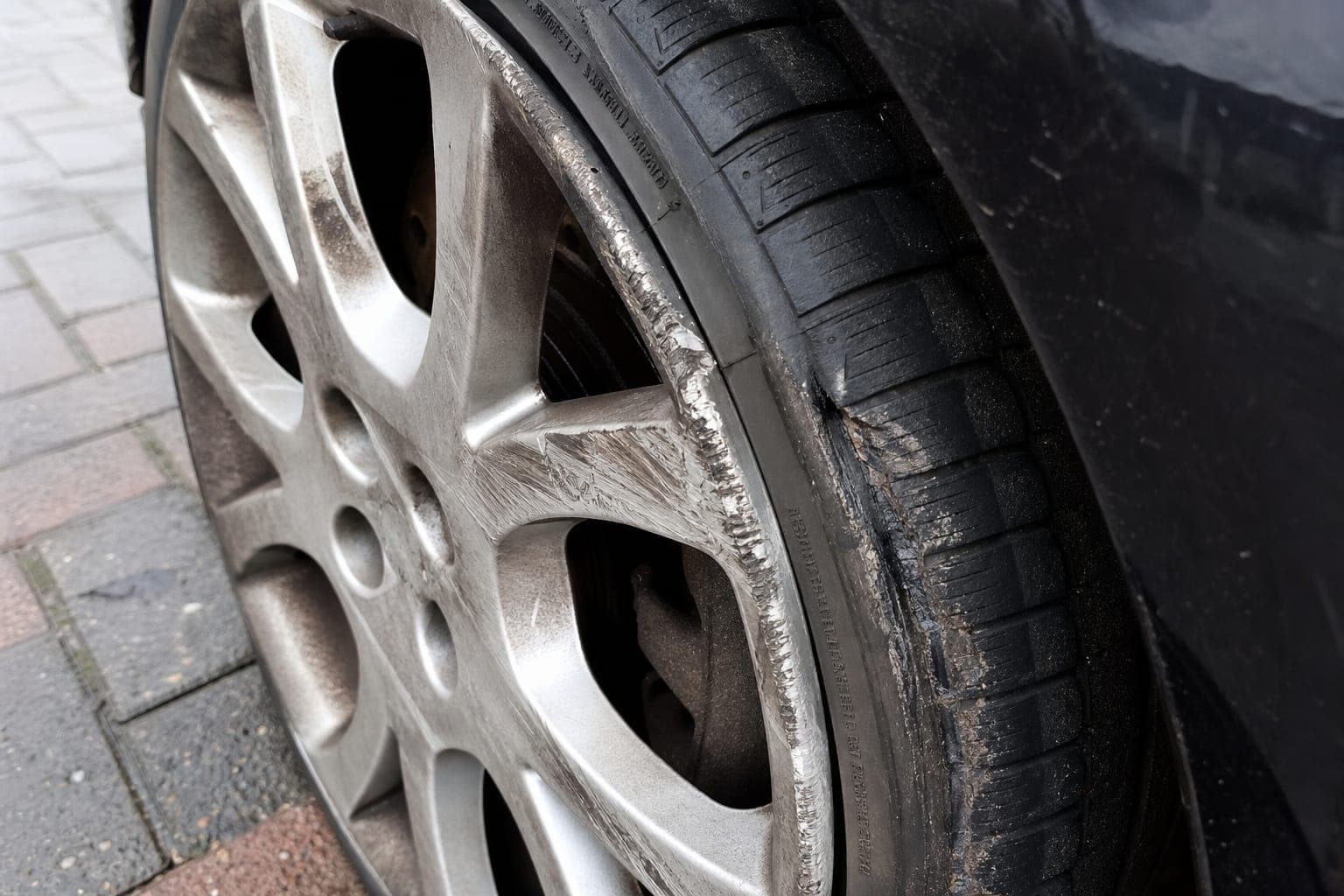
Cosmetic damage repaired cheaply. At the end of a lease the driver faces recharges for damage beyond fair wear. The rational response is a fast, cheap repair before handover. Expect smart repairs on bumper corners, kerbed alloys refurbished quickly, and paint that does not quite match under strong light. Check panel gaps and look along the flanks in daylight.
Consumables run to the limit. Nobody replaces tyres, brakes or a tired clutch at their own expense on a car going back next month. Budget for a full set of tyres and probably brakes. Look at the tyre brands too, because four mismatched budget tyres fitted late in life is a familiar sight.
Interior wear beyond the mileage. Three years of a driver living in the car, eating in it and loading it daily. Seat bolsters, boot floors and door cards take more punishment than a private car of the same age.
Faults nobody reported. A rattle in a car you own gets fixed. A rattle in a car you hand back in four months gets the radio turned up.
Ex-Rental Is a Different Animal
Worth separating, because people lump them together and they are not the same.
Contract hire and company cars have one regular driver who at least has to live with the consequences. Daily rental cars have hundreds of drivers, none of whom will ever see the car again, many of whom have never driven that model before. Cold starts followed immediately by full throttle, kerbs, and abuse that nobody is ever accountable for.
Rental cars are usually younger and lower mileage, which makes them look like the safer choice. Mechanically they often are not. If the previous keeper is a rental company rather than a leasing company, adjust your expectations and your offer.
The Checks That Matter Most
Fleet and lease vehicles run on finance agreements far more often than privately owned cars, and those agreements do not always close cleanly when the vehicle moves on.
Outstanding finance, stolen markers, insurance write-off category, keeper history, plate changes and a mileage cross-reference against independent records sit in the Full Report at £9.99, along with valuation and outstanding recalls.
Two of those matter especially here. Finance, because a car with money owing on it can be repossessed after you have paid the seller in full. And write-off category, because a fleet car damaged mid contract may have been repaired and returned to service without the current seller ever knowing. What a car history check shows covers everything included, and what to check before buying a used car covers the wider process.
FAQ
How do I know if a car was ex-fleet or ex-lease?
Check the previous keeper on the V5C. A leasing or contract hire company named as a former keeper is the clearest sign. Supporting signals include a three or four year old car with 60,000 to 90,000 miles, service stamps from dealers scattered across the country, and a single company keeper before the current one.
Are ex-fleet cars well maintained?
Generally yes on the mechanical side, because most run on contract maintenance where servicing is paid for and scheduled centrally. The gap is usually cosmetic and consumable, since a driver who does not own the car has little reason to report a rattle or replace tyres early.
Is high mileage on an ex-fleet car a problem?
Less than the number suggests. Fleet mileage is overwhelmingly motorway mileage, done at steady speeds with the engine warm, which is far kinder than the same distance covered in town. Judge it on the service record and MOT advisories rather than the odometer alone.
What is the main risk with an ex-lease car?
Unreported damage and deferred consumables. Drivers avoid declaring kerbed wheels or minor knocks to dodge end of contract recharges, so cosmetic repairs can be cheap and hurried. Tyres, brakes and clutch are often at their limit rather than freshly replaced.
What checks should I run before buying one?
Verify the service record against the MOT history, inspect wheels and panels closely for quick repairs, then run the Full Report at £9.99 for outstanding finance, stolen markers, write-off category, keeper history, plate changes and a mileage cross-reference.
Is an ex-rental car the same as an ex-fleet car?
No. A company car has one accountable driver, while a rental car has hundreds who will never see it again. Rentals tend to be younger with lower mileage but harder use, so treat a rental company on the keeper list as a reason to inspect more carefully, not less.
Useful Links
- Vehicle registration certificate (V5C) - GOV.UK - What the logbook records about previous keepers, including company keepers.
- Getting an MOT - GOV.UK - What the annual test inspects and how advisories are recorded over time.
- Vehicle tax, MOT and insurance - GOV.UK - The legal obligations that transfer to you the moment you take the vehicle on.
- Driver and Vehicle Standards Agency - GOV.UK - The agency setting MOT standards and publishing recorded test results.