You find the car you want, the price is noticeably under the market, and the registration begins with Q. Understanding what a Q plate is, and more importantly why this particular vehicle has one, is the difference between a fair buy and inheriting a problem nobody can undo.
A Q registration is not a style of plate or an age identifier. It is the DVLA recording that they could not establish what the vehicle actually is.
What a Q Plate Means
Normal UK registrations encode when a vehicle was first registered. A Q registration deliberately does not, because the information needed to assign one was missing or could not be verified.
The DVLA issues a Q when a vehicle's identity or its date of manufacture cannot be established to their satisfaction. The plate is then tied to that vehicle permanently.
The usual routes to one are:
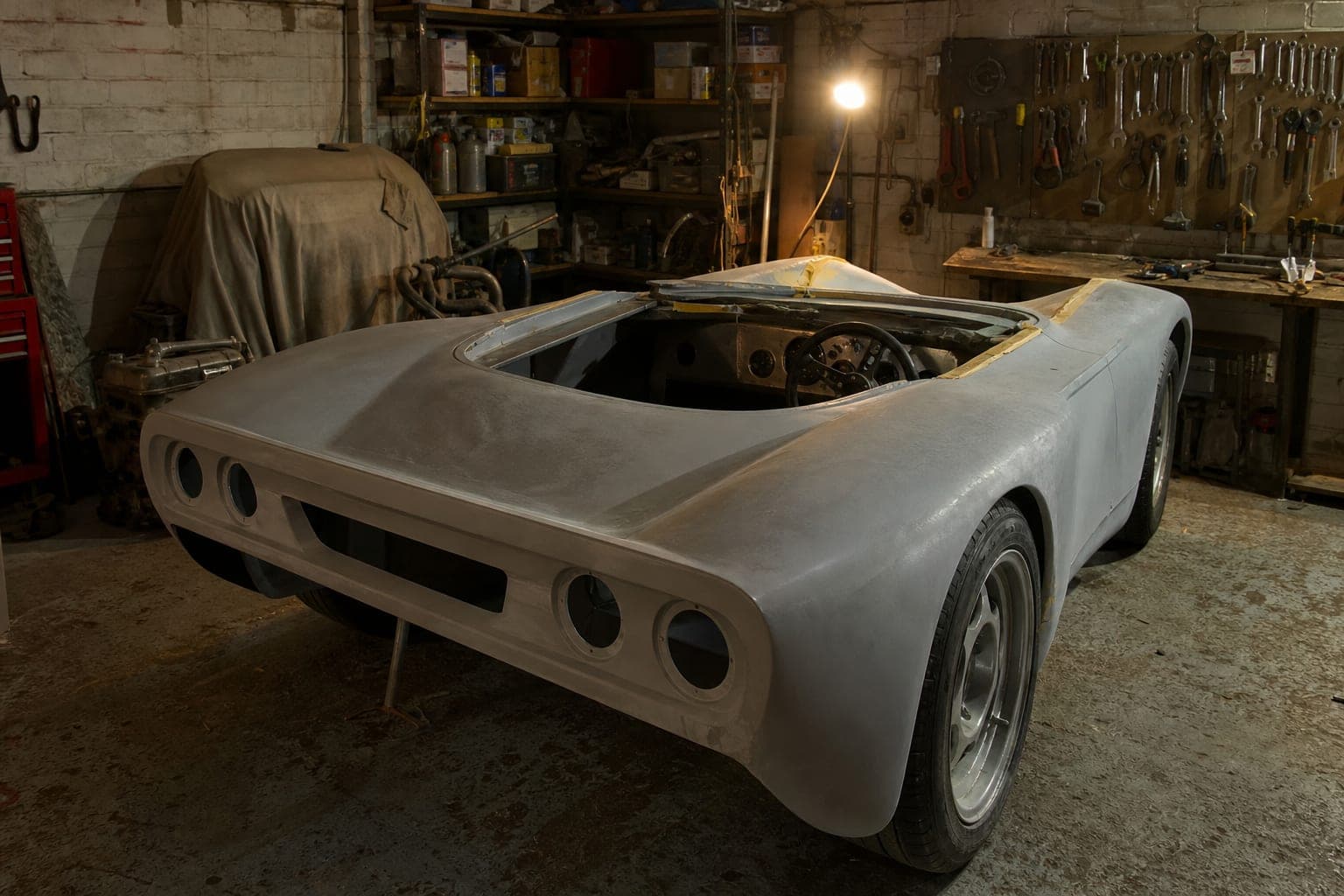
Kit cars and self builds. A vehicle assembled from a kit, or built from components sourced from several donor vehicles, where there is no single original identity to inherit. This is the most common and least worrying reason.
Radically rebuilt vehicles. Where a vehicle has been rebuilt using so many parts from other vehicles that the original identity no longer applies under the DVLA's points based rules for rebuilds.
Imports with inadequate documentation. A vehicle brought in without paperwork sufficient to prove its age or origin.
Vehicles with an unverifiable identity. Where chassis or VIN records do not add up, sometimes following accident damage and repair.
Why It Matters Even If the Car Drives Fine
The car in front of you might be mechanically excellent. The Q plate is still a permanent commercial problem.
It cannot be removed. A Q registration cannot be replaced with a cherished or personalised number, and it does not convert to a normal plate over time. It stays unless the vehicle's original identity is later proven to the DVLA, which is uncommon.
Value takes a lasting hit. Q plate cars sell for materially less than equivalent vehicles on ordinary registrations, and they sell more slowly, because the buyer pool is smaller. You inherit that discount when you come to sell.
Insurance is harder. Fewer insurers will quote, premiums are often higher, and some decline outright. Get a written quote before you buy rather than after, because discovering the problem at the point of insuring is an expensive lesson.
Finance is harder. Many lenders will not fund a Q plate vehicle at all.
The Question to Actually Ask
Not "is it a Q plate", but "why is it a Q plate". The answer changes everything.
A purpose built kit car on a Q is entirely normal. That is what the system is for, the buyer pool understands it, and it is priced accordingly from day one.
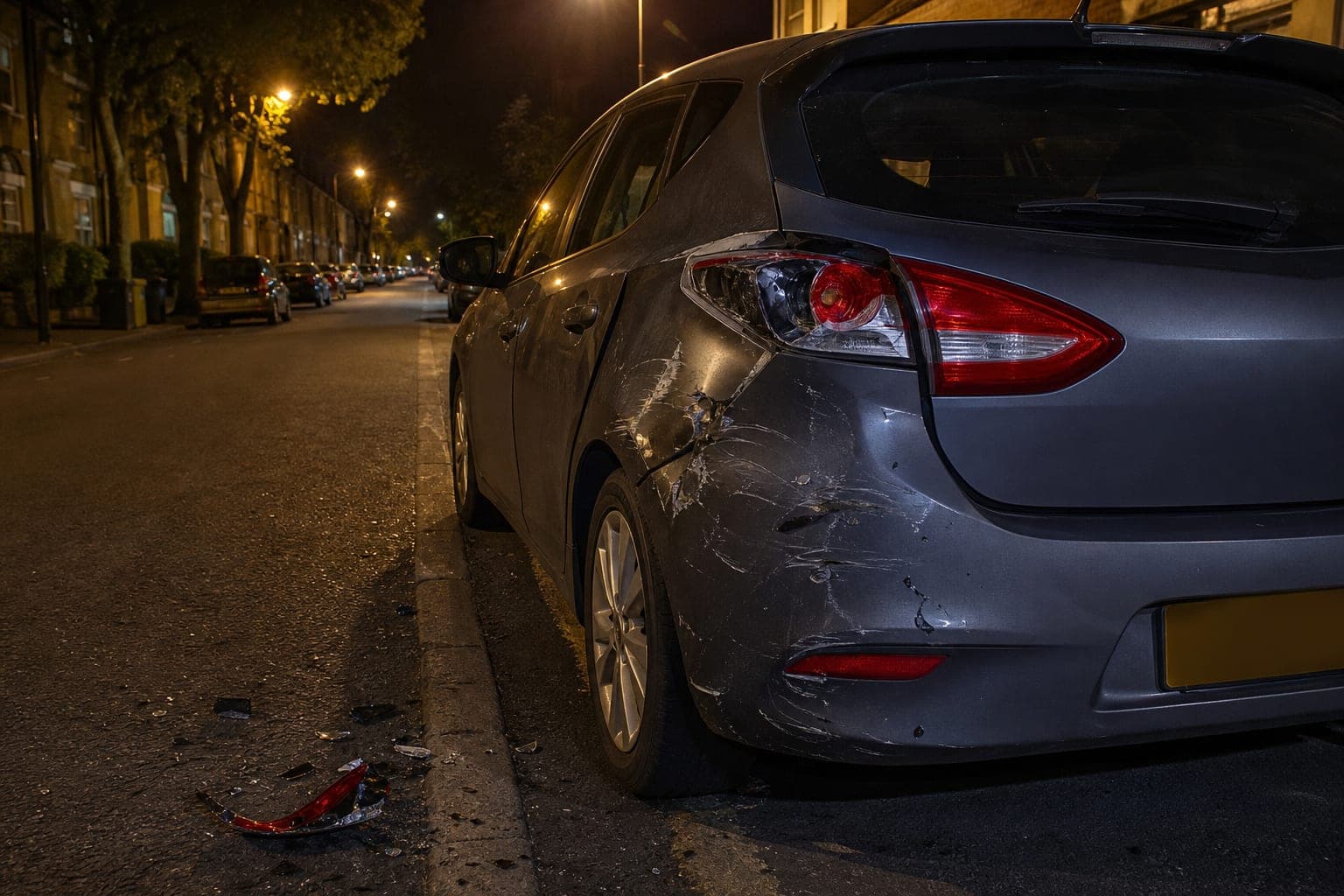
An ordinary family hatchback on a Q is a different conversation. Something happened that meant the DVLA could not verify what the car was. Frequently that is a rebuild following serious damage, using a shell or major components from another vehicle. The car may have been rebuilt competently. It may not. The point is that its earlier history cannot be traced with confidence, which is exactly what a history check normally gives you.
Ask for the paperwork that led to the registration. A legitimate build has a file: receipts, donor details, inspection reports. A seller who shrugs is telling you the file does not exist.
How This Sits Alongside Other Markers
A Q plate is separate from an insurance write-off category, though the two often appear on the same vehicle. A write-off category records an insurer's decision about damage and repair cost. A Q records an identity problem.
It is also distinct from a cloned identity, where a car wears a registration belonging to a different vehicle entirely. That is covered in how to spot a cloned car, and what a vehicle identity check is covers how identity is verified.
What a Q plate does do is break the useful trail. Much of what makes a used car checkable, a continuous MOT record, a keeper history, a consistent mileage sequence, depends on the vehicle having had one identity throughout. A vehicle registered late under a Q has a much shorter verifiable history than its apparent age suggests.
Before You Commit
Read the MOT history and note how far back it actually goes, because that is the real start of the traceable record rather than the year the car appears to be from. How to read a car MOT history covers the entries.
Get an insurance quote in writing on that registration.
Run a full check. Outstanding finance, stolen markers, write-off category, keeper history, plate changes and a mileage cross-reference sit in the Full Report at £9.99, and on a vehicle whose identity has already been questioned once, the finance and stolen markers matter more than usual. What a car history check shows lists everything included.
Then price it as what it is. Q plate money, not normal plate money.
FAQ
What is a Q plate?
A Q registration is issued when the DVLA cannot establish a vehicle's true identity or its date of manufacture. It starts with the letter Q and is assigned to kit cars, radically rebuilt vehicles, some imports with inadequate paperwork, and vehicles assembled from parts of others.
Can a Q plate be changed to a normal registration?
Not in the ordinary way. A Q registration cannot be replaced with a personalised or cherished number, and it stays with the vehicle. It can only be reassigned if the vehicle's original identity is later established to the DVLA's satisfaction, which is rare.
Is a Q plate the same as a write-off marker?
No, they are separate things, though they often appear together. A write-off category records an insurance decision about damage. A Q plate records that the vehicle's identity or age could not be established, which sometimes follows a rebuild using parts from more than one car.
Is a Q plate car harder to insure?
Generally yes. Fewer insurers will quote, premiums tend to be higher, and some will decline outright. Get a quote in writing before you commit to buying, not afterwards.
Should I buy a car with a Q plate?
For a purpose built kit car it can be perfectly normal and expected. For an ordinary road car it is a warning that the vehicle's history could not be verified, and the resale value and insurance difficulties follow it permanently.
Does a Q plate mean the car is unsafe?
Not in itself. The plate records an administrative failure to establish identity, not a mechanical judgement. The vehicle still has to pass an MOT like any other. The risk is that you cannot verify what it was before, not that it is inherently dangerous today.
Useful Links
- Q registration numbers - GOV.UK - When the DVLA issues a Q registration and the rules attached to it.
- Vehicle registration - GOV.UK - How registrations are assigned, changed and recorded.
- Personalised and private number plates - GOV.UK - The rules on transferring registrations, including which cannot be changed.
- Vehicle approval - GOV.UK - Guidance on approval for rebuilt, kit built and substantially modified vehicles.