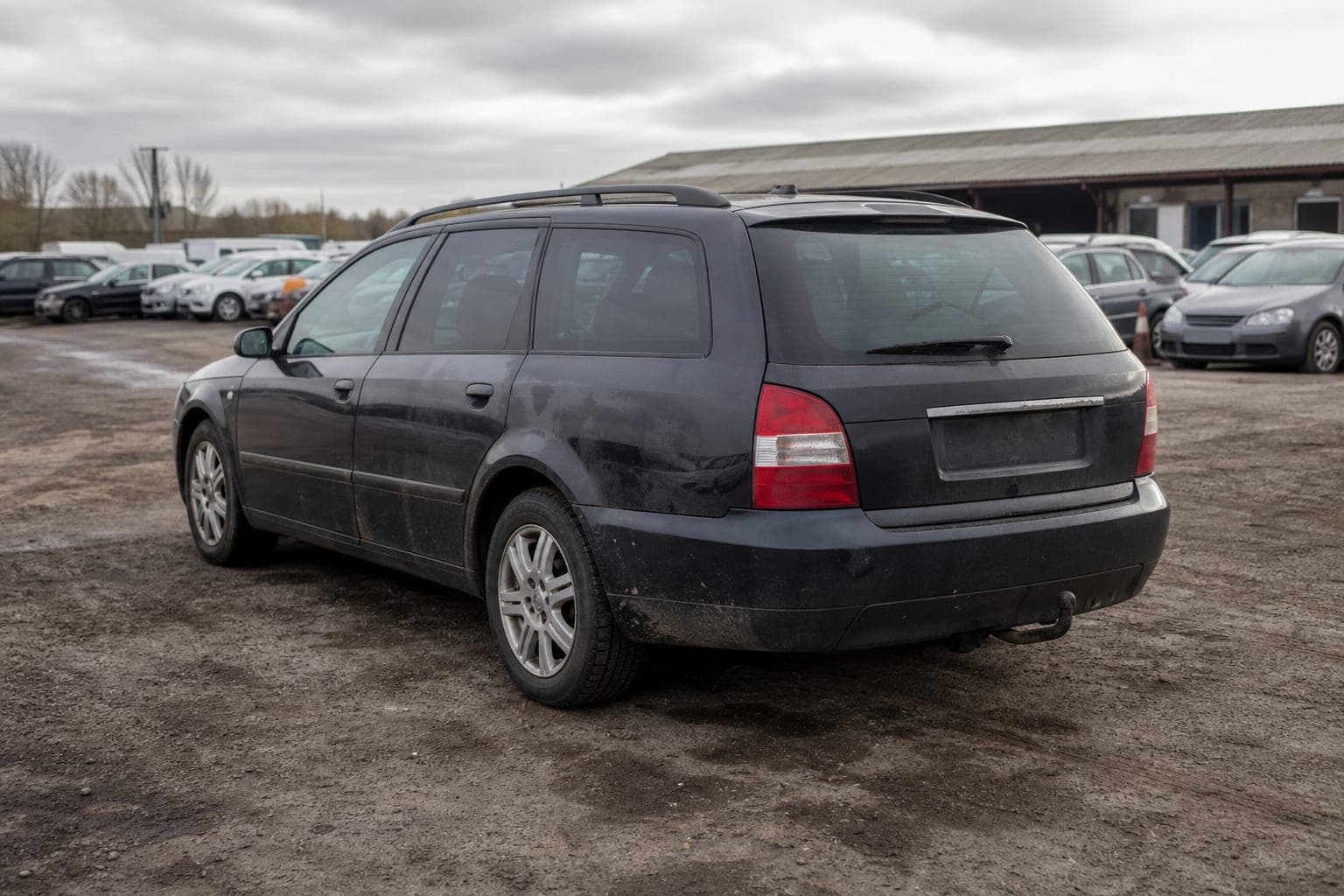
An estate car with 140,000 miles, a full service history thicker than a phone book, and a price that looks like a mistake. Buying an ex-police car puts you in front of a genuine contradiction: these vehicles are maintained better than almost anything else on the road and driven harder than almost anything else on the road. Both are true at once, and which one matters more depends on the car in front of you.
How to Spot One
Forces strip the obvious equipment before sale, but a vehicle that spent five years carrying a light bar and a radio stack does not go back to standard.
Roof holes. Light bars bolt through the roof. Removal leaves sealed holes, filled holes, or a patch of paint that has aged differently to the surrounding panel. Look along the roof rails and above the windscreen header.
Blanked switch panels. Sirens, beacons, scene lights and radios all need switches. What is left behind is a blanking plate, an empty aperture in the dash, or a panel that does not match the rest of the trim.
Heavy wiring. Pull back the boot trim and look behind the centre console. Expect thick gauge cable, cut and taped looms, extra fuse boxes, and mounting brackets with nothing attached to them.
Electrical uprating. Many carry a second battery, a heavy duty alternator, or both, because the equipment drew serious current with the engine idling.
Plain trim on a high specification car. A diesel estate in a decent engine specification with cloth seats, steel wheels behind plastic covers and no parking sensors is a fleet order, not a retail one.
Dog unit cages. Estates used by dog sections have cage mounting points bolted through the boot floor, chewed door cards and scratched rear plastics.
The Thing the Odometer Does Not Tell You
This is the part buyers get wrong, and it matters more than the mileage.
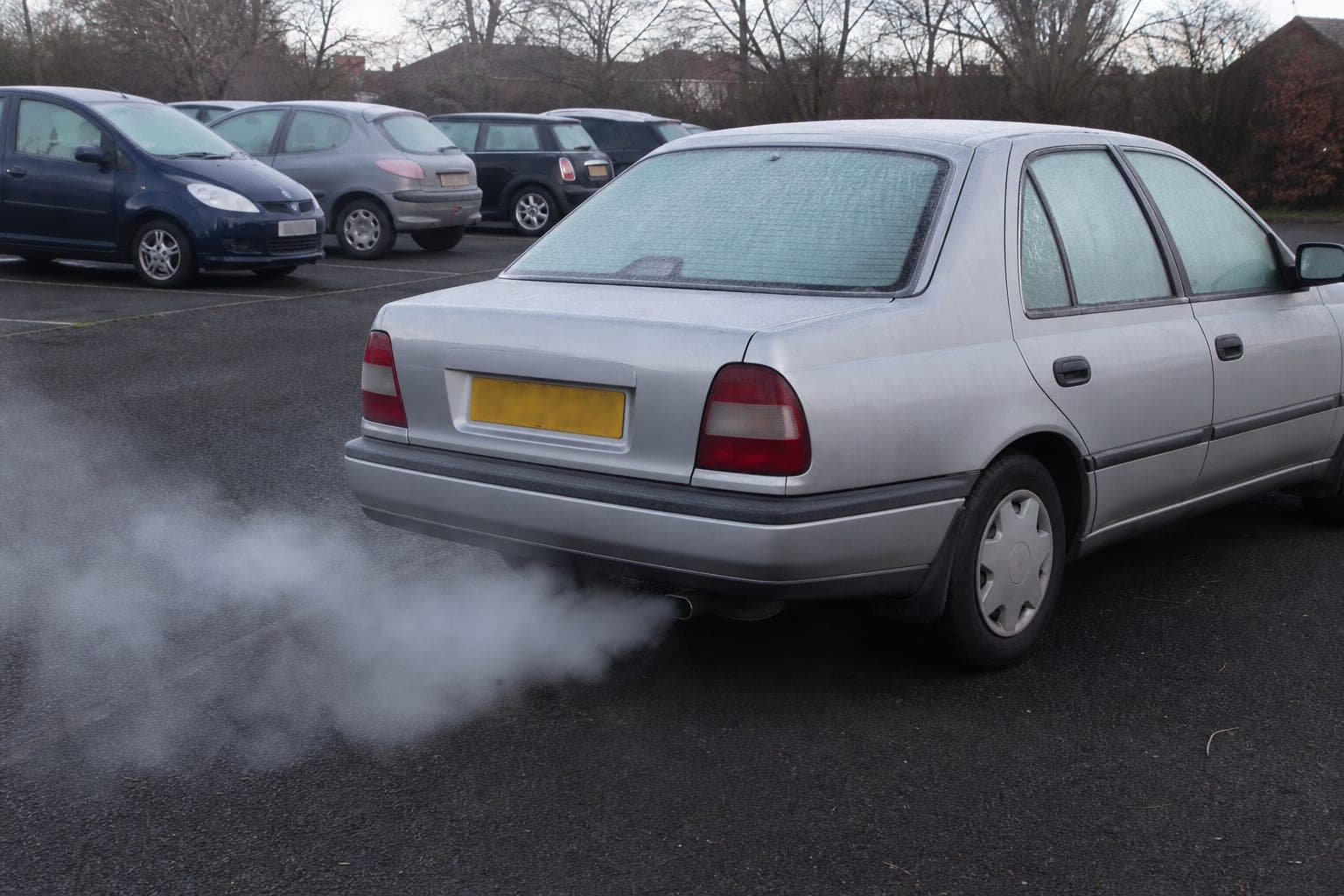
A response vehicle spends a great deal of its life stationary with the engine running. Scene lighting, radios, computers and cameras all draw power, and the engine idles to feed them. On some fleet vehicles the engine has run for hundreds of hours beyond anything the mileage suggests.
Idling is hard on an engine. Oil temperature stays low, the diesel particulate filter never gets hot enough to regenerate properly, and the turbo and exhaust system suffer. A car showing 120,000 miles can have the internal wear of one showing considerably more.
So read the mileage as a floor rather than a measure. Our guide to signs a used car has been driven hard covers reading wear against the odometer, and how to read a car MOT history covers spotting the pattern in the test record.
The Case in Their Favour
It is a real one, and it is why these cars sell at all.
Fleets service on short intervals and stick to them, because a vehicle off the road is a vehicle not responding to anything. Brakes, tyres and suspension get replaced early rather than nursed to the limit, because the consequences of a failure at speed are not a repair bill. Faults get fixed when they appear.
The records are usually detailed. A well documented ex-fleet vehicle tells you exactly what was done and when, which is more than most private sellers manage. How to check car service history covers verifying that a book belongs to the car.
Mechanically, a carefully chosen example can be sound. The engine has worked, but it has never been neglected.
Where They Fall Down
The removal work. This is the biggest variable. Properly done, holes are welded or sealed and made good, wiring is removed rather than cut, and trim is replaced. Badly done, you get open roof holes that leak into the headlining, spliced wiring taped up behind the dash, and a boot floor full of bolt holes.
Water ingress from a poorly sealed roof is the one that quietly ruins a car. Check the headlining for staining and the footwells for damp.
Suspension and brakes. Hard driving, heavy kit and frequent full load stops all take their toll. Look for early suspension items in the MOT record.
Interior wear beyond the mileage. Crews in and out constantly, equipment loaded and unloaded, seat bolsters destroyed by duty belts.
Resale. You will face the same wariness when you sell.
Where They Come From
Most are sold through auction rather than direct, often via specialist sales that handle fleet and ex-service vehicles. That means sold as seen, limited inspection and buyer's fees on top. Buying a used car at auction covers what you can and cannot check before the hammer falls.
Some filter through to ordinary dealers afterwards, where the ex-service history may not be volunteered. That is what the roof holes are for.
The Checks That Decide Ownership
Condition tells you the running costs. It does not tell you whether the car is yours to keep.
Outstanding finance, stolen markers, insurance write-off category, keeper history, plate changes and a mileage cross-reference sit in the Full Report at £9.99, along with valuation and outstanding recalls.
Two matter especially on fleet vehicles. Mileage cross-referencing, because a high mileage car is exactly where an odometer correction is tempting, covered in what a mileage discrepancy means. And write-off category, because a vehicle damaged in service may have been repaired and returned to the fleet without a later seller knowing.
FAQ
How can I tell if a car was an ex-police vehicle?
Look for filled or capped holes in the roof where a light bar was mounted, blanked switch panels in the dash, heavy gauge wiring behind the centre console and in the boot, an uprated alternator or second battery, and unusually plain trim on a high specification model.
Are ex-police cars well maintained?
Usually extremely well. Fleets service on short intervals, replace consumables early and keep detailed records, because a vehicle off the road is a vehicle not responding. Mechanically they are often better cared for than a comparable private car.
Is the mileage the real measure of wear?
No, and this is the key point. Response vehicles spend enormous amounts of time stationary with the engine running to power equipment, so total engine hours can be far beyond what the odometer implies. Judge them on service history and condition rather than miles alone.
Why are ex-police cars cheap?
Hard use, heavy idling, removed equipment leaving holes and altered wiring, plain interiors, and buyer wariness. The discount is real and mostly deserved, but a well chosen example at the right money can still be sound transport.
What should I check before buying one?
Roof and boot for sealed mounting holes, wiring for amateur cutting and taping, brakes and suspension for hard use, then run a history check for outstanding finance, stolen markers, write-off category and a mileage cross-reference.
Is it legal to buy and drive an ex-police car?
Yes, provided all police markings, livery and emergency equipment have been removed. Displaying markings or fitting blue lights on a civilian vehicle is an offence, so a car still wearing any of it has not been properly decommissioned.
Useful Links
- Vehicle registration certificate (V5C) - GOV.UK - What the logbook records about previous keepers, including fleet operators.
- Vehicle approval - GOV.UK - Guidance on type approval and substantially modified vehicles.
- Getting an MOT - GOV.UK - What the annual test inspects and how advisories are recorded over time.
- Driver and Vehicle Standards Agency - GOV.UK - The agency setting MOT standards and publishing test records.